

Fume Hood Labconco: A Complete Selection Guide
Meta title: Fume Hood Labconco Guide for Safe Lab Selection
Meta description: Learn how to choose a Labconco fume hood based on chemicals, airflow, HVAC, maintenance, and long-term cost. Clear guidance for lab managers.
A new lab manager often gets handed the same difficult task. Replace an old hood, plan a renovation, or equip a new room without creating a safety problem that lasts for years.
That choice affects people, process flow, HVAC design, service access, and budget. It also affects what your lab can safely do later. A hood that looks fine on a quote sheet can still be wrong for your chemistry, wrong for your room, or wrong for your maintenance team.
A fume hood labconco purchase should start with the actual work done in the hood, not with price alone. You need to know what chemicals will be used, how the building handles exhaust, and how the hood will be tested after install. If you are comparing options, the best starting point is a practical review of laboratory fume hoods and how each type fits a real lab.
Introduction
If you are buying your first major hood, confusion is normal.
Many buyers get stuck between basic questions. Do you need ducted or ductless. Is low face velocity safe. Can you retrofit an old hood for acid work. Will your building exhaust support the unit you want.
A fume hood is the primary engineering control for many airborne chemical hazards. Its job is simple in concept. It pulls contaminated air away from the user and manages that air in a controlled way. In practice, though, selection gets technical fast.
The good news is that you do not need to memorize every airflow term before making a solid decision. You need a clear process, a few key specifications, and a realistic view of installation and upkeep.
Key Takeaways A Quick Reference
Quick reference: Match the hood to the chemical risk, the room infrastructure, and the people who will use it every day.
- Start with the chemistry: General solvent work, acid use, powders, and high-risk chemicals do not belong in the same selection path.
- Ducted and ductless are not interchangeable: A ducted hood sends air out of the building. A ductless hood depends on the right filters and the right application.
- Labconco has deep history in this category: Labconco was founded in 1925 and introduced the first commercial fume hood in 1936, helping move the hood from academic prototype to commercial lab equipment (history of fume hood development).
- Specifications matter because they change behavior: Face velocity, sash style, bypass design, liner material, and exhaust design all affect containment and durability.
- Compliance is not optional: Selection should align with your EHS review, hood testing, and facility standards.
- Early planning prevents rework: If HVAC, utilities, and casework are reviewed early, projects move more smoothly and late changes are less likely.
Understanding the Labconco Fume Hood Legacy
A new lab manager usually meets the fume hood long before the room is ready for work. The architect wants dimensions. Facilities wants exhaust numbers. EHS wants to know which chemicals will be used. Purchasing wants a model. What looks like a single equipment choice is really an early decision that affects airflow, construction timing, certification, maintenance, and long-term operating cost.
A fume hood is a controlled work zone that contains vapors, fumes, and airborne hazards while allowing the user to work through a sash opening. It works a lot like a doorway with one-way traffic. Room air moves into the hood, across the work surface, and out through the exhaust path so contaminants move away from the user's breathing zone.
That sounds simple. The hard part is keeping that airflow stable in daily use. Sash position, supply air balance, nearby doors, bench layout, and the size of the apparatus inside the hood all affect containment. A hood can be well built and still perform poorly if the room and exhaust system were treated as afterthoughts.
Why Labconco is often part of the conversation
Labconco has been part of laboratory equipment planning for generations, and that history matters because it reflects how fume hoods changed from shop-built fixtures into standardized safety equipment. Over time, hood design moved toward better materials, more predictable airflow behavior, and models designed for different types of work.
For a first-time buyer, that legacy is useful for a practical reason. It reminds you that a fume hood is not just a cabinet with an exhaust collar. It is the visible front end of a larger system that includes building exhaust, room pressure relationships, user training, testing, and service access.
Early hood development also explains why material choice still matters. Older lab environments often relied on construction approaches that held up poorly against corrosive use or years of cleaning. Modern hood lines improved durability and chemical resistance, which affects how long the unit lasts and how often liner, baffle, or surface issues turn into repair calls.
What first-time buyers often overlook
Many first purchases focus on the hood itself and skip the lifecycle questions.
A better approach is to ask how the hood will live in the lab for the next ten to fifteen years. Will the chemistry stay narrow or expand? Can the HVAC system support the exhaust volume without creating comfort or balance problems elsewhere? Is there enough clearance for service, testing, and safe sash operation? Will replacement parts, filters, or specialized liners add cost later?
Those questions help prevent a common project mistake. A team selects a hood based on width and price, then learns too late that the exhaust system, room layout, or chemical use does not match. That is where delays, change orders, and compliance headaches start.
The hood is one part of a larger safety system
A fume hood performs well only when the surrounding room supports it.
It interacts with:
- Room airflow patterns
- Exhaust routing and fan capacity
- User technique and sash habits
- Chemical storage practices
- Door locations and foot traffic
- Casework and equipment placement
This is why experienced lab planners review the hood during programming, not after the casework and mechanical design are already locked in. Early coordination usually costs less than late correction.
A practical way to sort the main categories
Before comparing model names, separate hoods by the kind of work they are meant to support. That keeps the selection process grounded in use, not branding.
| Category | Best fit | Main planning concern |
|---|---|---|
| General ducted hood | Routine chemical work | Building exhaust capacity |
| Ductless hood | Specific filtered applications | Chemical and filter match |
| Walk-in hood | Large apparatus and floor-mounted equipment | Space, access, and exhaust design |
| Special application hood | Corrosives or process-specific hazards | Material compatibility and dedicated features |
That framework helps a new lab manager ask better questions early. The goal is not only to buy a hood that works on day one, but to choose one that fits the chemistry, the building, and the maintenance reality over its full service life.
Comparing Labconco Fume Hood Types
Many buyers start with product families. A better approach is to start with task type, then find the hood that supports it.
General purpose ducted hoods
A general purpose ducted hood is the standard choice for a wide range of chemical work. Air enters the sash opening, moves through the hood, and exits through building exhaust.
This option usually gives the widest chemistry flexibility because the contaminated air leaves the building rather than staying in the room through filter dependence.
Labconco Basic Fume Hoods are a good example of a standard ducted approach. They use a by-pass airflow design to maintain consistent face velocities as the sash moves, helping contain vapors without the airflow spikes that can disrupt safety (Labconco Basic Fume Hood manual details).
A new lab manager should care about that because sash movement is normal. Users raise it, lower it, and work at different heights. A hood that responds well to sash movement is easier to use safely in daily practice.
Ductless filtered hoods
A ductless hood pulls air through filters and returns treated air to the room. That can be useful when the application is well understood and filter selection is controlled.
It can also be the wrong choice if the chemistry is mixed, poorly documented, or changes often. Filtered hoods need disciplined review of the substances used inside them.
If your project is comparing filtered options, it helps to review ductless fume hoods with your EHS team before you treat them as a universal answer.
Practical note: A ductless hood is not a shortcut around chemistry review. It is a specialized solution that depends on the right application and filter plan.
Walk-in hoods
Walk-in hoods are used when the process equipment is too large for a standard bench hood. Floor-mounted reactors, tall vessels, or bulky instruments may require this format.
The key planning issue is not just size. It is how people load, service, and observe equipment without disturbing containment.
If a team says, “We only need a bigger opening,” pause and ask what equipment will live there, what utilities it needs, and how often staff will enter the work zone.
Benchtop hoods
Benchtop hoods fit many standard lab workflows. They work well when procedures stay within a manageable equipment footprint and when the hood can sit cleanly within the room layout.
This is often the easiest category to overgeneralize. Two benchtop hoods may look similar but differ in airflow approach, liner material, sash access, and service integration.
Special application hoods
This group includes units built for higher-risk or highly specific uses. Examples include corrosive chemistry, washdown needs, powder handling, or process-specific enclosure designs.
These models matter because general purpose equipment is often selected by habit. That habit can create the wrong material match and the wrong maintenance burden.
Comparison of Ducted and Ductless Fume Hoods
| Feature | Ducted Fume Hood | Ductless Fume Hood |
|---|---|---|
| Air handling method | Exhausts contaminated air out of the building | Filters air and returns it to the room |
| Chemical flexibility | Often better for broader chemical use | Depends on verified filter compatibility |
| Building requirement | Needs exhaust connection and HVAC coordination | Needs electrical power and filter management plan |
| Best fit | Routine chemical exhaust applications | Specific, well-defined filtered applications |
| Main caution | Poor HVAC planning can hurt performance | Wrong filter choice can create safety risk |
| Lifecycle focus | Energy use and exhaust integration | Filter tracking and chemical review |
High-performance low-flow options
Some Labconco lines move beyond standard airflow design. Protector Premier and related special application hoods are SEFA-1 low-velocity high-performance hoods that can maintain containment at face velocities as low as 60 fpm. The same brochure states that this can reduce exhaust volumes by up to 50% compared to traditional hoods at equivalent safety levels (Explore Labs USA fume hood solutions).
That matters most in facilities where HVAC capacity is tight or operating cost is under scrutiny. But low-flow does not mean “less safe by default.” It means the hood is engineered to contain effectively at lower airflow when properly selected and installed.
Decoding Key Fume Hood Specifications
A spec sheet becomes much easier to read once you treat it like a risk map. Each number points to a real-world outcome, such as how well vapors stay inside the hood, how forgiving the hood is when users change the sash position, or how quickly interior surfaces wear under harsh chemistry.

A new lab manager often sees a page full of airflow terms and construction options and assumes the highest values are safest. That shortcut causes expensive mistakes. The better approach is to read specifications in context. Match each one to your chemical use, your room conditions, and the maintenance burden your team can support over the life of the hood.
Face velocity
Face velocity is the speed of air entering the hood opening. It is one of the first numbers buyers notice, but it is not a stand-alone safety score.
Containment depends on the whole system. Hood geometry, baffle design, sash position, room air currents, and exhaust stability all affect performance. A hood with a moderate face velocity can contain fumes well if the design is sound and the installation is commissioned correctly. A hood with excessive air speed can create turbulence around the opening, which may pull contaminants into the room instead of keeping them contained.
The hood will live inside a real lab, not a perfect test setup. Doors open. Supply diffusers blow across the face. People walk past. Face velocity should be read as one part of a larger containment picture.
Sash type
The sash is the user-facing control that changes both protection and workflow. Vertical, horizontal, and combination sash designs each shape how people interact with the hood during daily work.
A vertical sash is familiar and simple for many labs. Horizontal panels can improve reach while keeping part of the opening shielded. Combination designs try to balance visibility, access, and user protection.
The simplest way to judge sash style is to picture the task. A chemist handling flasks and small transfers has different access needs than a technician feeding tubing, cords, or probe lines into the work area. Sash movement is normal. The question is whether the hood stays predictable and easy to use when that movement happens all day.
Bypass and airflow control
Bypass design helps control what happens as the sash opens and closes. Without that control, air speed at the opening can swing too far, which makes containment less stable and user technique more critical.
This is similar to water pressure in a plumbing system. If pressure spikes every time a valve changes position, the system becomes harder to manage. A bypass helps smooth out those shifts so the hood behaves more consistently during routine use.
That consistency affects more than safety. It also affects training, because a hood that responds in a steady, understandable way is easier for new staff and students to use correctly.
Liner material and construction
The liner is the hood’s interior skin. It takes the daily exposure, the cleaning, and the wear. Choosing the wrong liner is like putting the wrong countertop in a wet chemistry room. It may look acceptable on day one and fail long before the rest of the hood does.
Start with four questions:
- What chemicals will contact the interior surfaces
- Will residue build up and require frequent cleaning
- Will heat, acids, or corrosives stress the material
- Will the process change over time
These answers affect corrosion resistance, washdown needs, service life, and replacement cost. Early planning matters here because liner upgrades, utility changes, and special interiors can affect lead time and total project cost. If your project is narrowing down a compact unit, comparing options such as a bench top fume hood for smaller lab footprints against your actual chemical list can make material decisions much clearer.
Standards and why they matter
Specifications only become useful when they connect to accepted testing and workplace requirements. Three standards families usually shape the conversation.
- OSHA-related workplace safety expectations. These influence how the lab controls exposure and documents safe operation.
- SEFA criteria. These help define performance and construction expectations for laboratory hoods and furniture.
- ASHRAE 110 testing. This is the containment test many teams use to judge how a hood performs under controlled conditions.
Read this part of the spec sheet carefully. A stated feature is helpful. A hood that is selected properly, integrated with the building exhaust, commissioned after installation, and maintained over time is what prevents compliance trouble and costly corrections later.
Key takeaway: Read specifications as part of the hood’s full lifecycle. The right choice supports your chemistry, fits your HVAC reality, and stays practical to test, maintain, and own for years.
How to Choose the Right Labconco Fume Hood
The fastest way to make a poor choice is to pick by habit. The safest way is to use a short checklist and then test that choice against your actual lab scenarios.
A five-step checklist
-
List every chemical and process
Start with the work, not the model. Include solvents, acids, powders, heat sources, and any chance that future users may change the process.
-
Confirm whether the hood must be ducted
If the chemistry is broad or changes often, ducted options usually stay in the conversation longer. If the process is narrow and filter review is strong, a filtered solution may fit.
-
Review the room and HVAC early
Ask where the hood will sit, what doors or supply diffusers are nearby, and whether the building can support the exhaust demand.
-
Check materials and accessories
Liner type, baffles, service fixtures, washdown systems, and sash style should match the process. Special chemical use often changes the answer here.
-
Plan testing, maintenance, and ownership
Know who will certify the hood, who will clean it, and how the lab will manage service over time.
Decision scenario 1 teaching lab with routine chemistry
A university teaching lab often needs straightforward, repeatable equipment. Procedures are controlled, users change often, and the hood must be easy to operate correctly.
A standard general purpose hood can be a good fit if:
- The chemistry is known
- The building can support the exhaust
- The room layout reduces cross drafts
- Faculty want a familiar sash and workflow
In these spaces, simple operation often matters as much as advanced features.
Decision scenario 2 pharmaceutical or biotech solvent work
R&D teams working with volatile solvents usually care about containment, repeatability, and room energy demand. That makes high-performance hood options worth reviewing.
If the facility wants to reduce exhaust burden while maintaining containment, low-velocity high-performance models may support that goal. The key is to involve facility and EHS teams early so selection does not outrun the building design.
Decision scenario 3 industrial lab with corrosive chemistry
Corrosives change the conversation fast. Buyers should stop assuming that a “standard lab hood” is close enough when dealing with corrosives. Corrosive exposure punishes poor material choices over time.
Decision scenario 4 powder handling or weighing work
Not every airborne hazard behaves like a solvent vapor. Powders need enclosure choices built around particulate control and operator technique.
If the process involves weighing, transfer, or fine powder movement, you may need a containment enclosure rather than a standard chemical hood. Ask what escapes into the breathing zone, then select around that hazard.
Decision scenario 5 large apparatus and floor equipment
A pilot lab or process lab may need a walk-in arrangement because the equipment footprint drives the design.
Important questions include:
- How will staff load the equipment
- Can the operator reach valves safely
- Will the hood need washdown or special utility access
- Can maintenance access components without dismantling the room
Decision scenario 6 perchloric acid or hydrofluoric acid use
This is one of the most overlooked decision points.
Guidance on retrofitting or selecting hoods for perchloric acid and hydrofluoric acid work is often limited, even though these applications require specialized hoods with dedicated washdown systems and corrosion-resistant liners to prevent residue buildup, corrosion, and serious safety risks (Labconco guidance on selecting the correct fume hood).
If your lab is even considering these chemicals, identify that use at the very start. Do not assume a legacy hood can be lightly modified later.
Safety note: For high-risk acid applications, defer final decisions to your SDS, EHS team, and manufacturer guidance before any retrofit or purchase.
Decision scenario 7 renovation with existing casework and utilities
Renovation projects often fail at the interface points. The hood may fit the chemistry but not the room, the utilities, or the casework depth.
That is why hood selection should be coordinated with room infrastructure. If you are checking how benches, supports, tops, and service routes affect the hood footprint, it helps to review laboratory casework specifications before finalizing the layout.
Installation Maintenance and Lifecycle Considerations
A hood that looks great on paper can still underperform after install if the room is not ready for it.
Installation starts with the room
Placement matters. Supply diffusers, doors, traffic paths, and nearby equipment can all disturb airflow.
Commissioning matters just as much. A hood should be installed, balanced, and tested as part of the room it lives in. That is how you find problems before the lab depends on the hood for daily work.
Maintenance is part of safety
Routine hood ownership usually includes:
- Daily user checks: Confirm the hood is clear, the sash works properly, and alarms or monitors show normal status.
- Cleaning discipline: Keep the work area uncluttered and clean residues before they harden or spread.
- Periodic certification: Use qualified personnel to test hood performance on the schedule your facility requires.
- Filter or exhaust review: The task depends on whether the hood is ductless or ducted.
If your team needs a practical safety baseline, this fume hood safety guidance is a useful starting point for daily operating habits.
Total cost of ownership
Buyers often focus on purchase price because it is visible. The bigger cost story usually shows up later through energy use, maintenance time, filter replacement, and room modifications.
The broader market trend supports that long view. The global laboratory fume hood market is projected to grow from $2.8 billion in 2025 to $4.6 billion by 2034, reflecting continued demand for modern systems and the value of planning for efficient long-term operation (laboratory fume hoods market projection).
That does not mean every lab needs the most advanced hood. It means modern selection should account for lifecycle cost, not just day-one pricing.
Early planning avoids common project slowdowns
When teams wait too long to review exhaust, utilities, and access, they often face redesign work, sequencing issues, or delayed occupancy. In a busy market, that can also mean fewer ideal scheduling windows for install and startup.
For facility teams comparing broader air quality strategies in mixed-use buildings, a general resource on the role of an Explore Labs USA fume hood solutions can help frame how room air cleaning differs from source capture at the hood. They solve different problems.
Planning tip: The earlier you coordinate hood type, room layout, and service strategy, the more options you keep open for scheduling, compliance review, and clean installation.
Common Questions About Labconco Fume Hoods
Is a fume hood the same as a biosafety cabinet
No. A chemical fume hood is designed to protect the user from chemical vapors and fumes. A biosafety cabinet is used for biological containment and follows a different protection strategy.
Do not substitute one for the other based on appearance.
Is ductless always easier
It is often easier to place because it does not require building exhaust in the same way. But it is not automatically easier to own.
You still need the correct filters, a clear chemical list, and a plan for ongoing review.
Can a low-face-velocity hood still be safe
Yes, if the hood is engineered and tested for that condition. High-performance models can maintain containment at lower face velocity when used as intended.
The number alone does not decide safety. The hood design and test performance matter.
How often should a hood be tested
Your facility, EHS team, and applicable standards should define that schedule. Many labs treat certification as a recurring requirement, especially after installation, relocation, or major service.
If you are unsure, ask your safety office before the hood goes into use.
Can I retrofit an old hood for acid work
Maybe, but that is not a safe assumption.
High-risk acid applications may require dedicated washdown systems and corrosion-resistant construction. If the hood was not designed for that duty, a retrofit may be limited or inappropriate.
Are walk-in hoods always the best answer for large equipment
Not always. They are often useful, but size alone should not drive the decision.
You also need to consider access, maintenance, utility routing, and whether operators can work safely around the equipment inside the hood.
Does a hood increase building operating cost
It can. Ducted hoods affect exhaust demand and HVAC planning. Ductless hoods shift the cost focus toward filters, monitoring, and application control.
That is why lifecycle review matters at the start of the project.
Should users store chemicals inside the hood
Routine storage inside an active hood is generally poor practice unless your procedures and safety team specifically allow it. Stored items can block airflow, reduce working space, and interfere with safe technique.
Keep the hood set up for the process being performed, not as overflow storage.
Keep reading: our guide to what fume hoods are used for covers the basics of containment for modern labs.
Conclusion Plan Your Lab with Confidence
The right fume hood labconco choice comes from matching the hood to the chemistry, the room, and the long-term service plan.
That means asking better questions early. What will be used in the hood. How will the room support it. Who will maintain and test it. Which features reduce future headaches instead of adding them.
If you want to compare available hood types and layouts, review the options on Labs USA. If you are ready to move from comparison to planning, request a quote or ask for layout help from the team.
Compare options: Explore fume hood solutions and layout possibilities with Labs USA.
Request a quote or plan a layout: Contact Labs USA at 801-855-8560 or Sales@Labs-USA.com to discuss your project, compare configurations, or plan a lab layout.
Frequently Asked Questions
How do I choose the right fume hood labconco?
Choosing the right fume hood labconco depends on your application, space, and budget. Labs USA provides free expert consultations. Call (801) 855-8560 or request a quote.
What is the lead time for fume hood labconco?
Lead times vary by product. Many items ship quickly; custom orders take 4-8 weeks. Call (801) 855-8560 for availability.
Do you offer installation?
Yes. Labs USA provides professional installation across the United States with factory-trained installers.
Can I get a custom configuration?
Absolutely. Our design team provides free layouts, specs, and competitive pricing tailored to your needs.
Who This Is For
Our fume hood labconco solutions are ideal for:
- Laboratory directors
- Facility architects
- University science departments
- Pharma/biotech companies
- Hospital labs
- Government research facilities
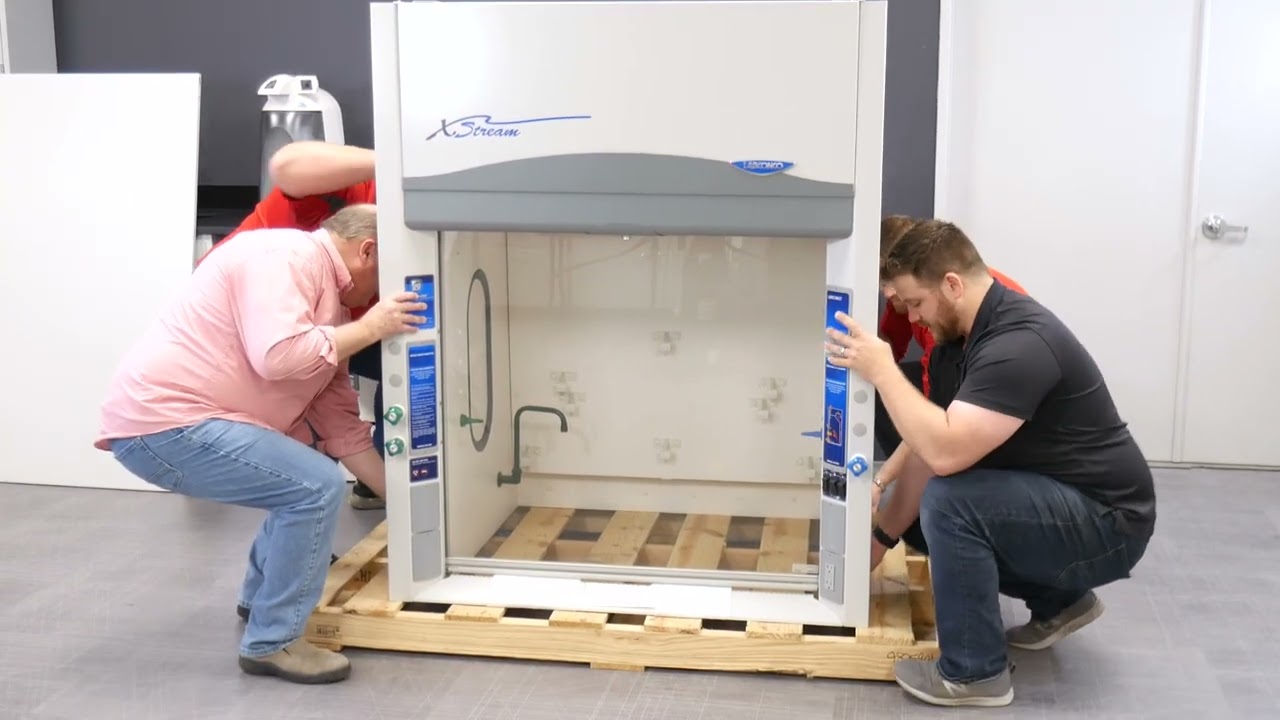
Chemical Fume Hood Installation Guide — Labconco (2023)
Ready to Get Started?
Labs USA offers free design services, fast delivery, and expert installation on all lab furniture and equipment.


 lab bench with documents and a fume hood.” />


