A Guide to Mobile Laboratory Shelving Systems

Busy labs often struggle with a lack of space. Critical samples, reagents, bulky equipment, and archived records all compete for room. Traditional, static shelving uses a large amount of that space. For every row of shelves, you need a dedicated aisle. This means a significant part of your floor is just empty air.

Mobile laboratory shelving systems offer a smarter, high-density storage solution. They are designed to reclaim that wasted space. By mounting shelving units on wheeled carriages that glide along tracks, you can remove fixed aisles. This can potentially double your storage capacity in the same footprint.


 Key Takeaways on Mobile Lab Shelving

  • Maximize Space: Mobile shelving can reduce your storage footprint by up to 50% or double your capacity by eliminating fixed aisles.
  • Types of Systems: Choose from Mechanical Assist (for archives), Powered (for frequent access and security), or Modular (for flexible, changing layouts).
  • Critical Planning: Always assess floor load capacity with a structural engineer before installation. Standard floors often require reinforcement.
  • Safety First: Systems include features like aisle locks, anti-tip mechanisms, and electronic sensors to protect users and materials.
  • Material Matters: Select materials like stainless steel for sterile areas, powder-coated steel for general use, or epoxy-coated wire for cold storage.

Understanding Mobile Shelving for Labs

A man in a lab coat pushes boxes on a dolly between rows of mobile shelving in a laboratory.

Instead of having aisles that just sit empty, mobile shelving compacts together into a solid block. When you need to retrieve something, you simply create an aisle right where you need it. This simple idea has a powerful impact on lab efficiency.

How It Works

Getting to your stored items is straightforward. You can turn a manual hand crank on mechanical systems. On powered systems, you just push a button. The shelving units you select glide apart, opening a temporary aisle for access. The rest of the units stay compacted, keeping your floor space free for lab benches or new equipment.

This approach has several benefits:

  • Consolidation: You can pack multiple ranges of shelving into a much smaller area.
  • Accessibility: A single “floating” aisle gives you 100% access to every stored item.
  • Efficiency: The space you save can be used for tasks that advance your research.

By converting static aisles into usable storage, a mobile system allows you to either store twice the material in your current space or reduce your storage footprint by up to 50%. This makes it a strategic asset for lab expansions or renovations. This method turns storage from a passive use of space into an active, efficient part of your lab’s workflow. It also improves organization and security for sensitive materials.

What Are the Benefits of Mobile Shelving in a Lab?

A person in a lab coat walks through a spacious, modern laboratory with blue and green furniture.

Adding mobile laboratory shelving to your facility is more than a storage upgrade. It is a strategic decision that can reshape how your lab operates. The benefits go far beyond simply fitting more items into your space.

The biggest benefit is dramatic space optimization. Mobile systems eliminate the dead space of fixed aisles. This can double your storage capacity without expanding your building’s footprint. Alternatively, you can shrink your storage area by up to 50% and reclaim that floor space for new research zones or workstations.

This smarter use of space is becoming more popular. The global mobile shelving market growth trends from Verified Market Reports show a rising demand for intelligent space solutions in labs and other critical fields.

Better Organization, Smoother Workflow

Improved organization is another key advantage. When you centralize materials, samples, and supplies into one compact area, your scientists and technicians save time. They no longer need to hunt for what they need.

Instead of searching through scattered cabinets, everything is in one place. This streamlined approach offers several operational boosts:

  • Quicker Retrieval: Teams can find and grab materials faster, reducing delays between tasks.
  • Easier Inventory Management: It is simpler to conduct audits, monitor stock levels, and avoid ordering duplicates.
  • Less Lab Congestion: A single storage area means less foot traffic, leading to a safer and more orderly workspace.

This level of organization is a direct investment in a more productive lab. It frees up your team to focus on science, not searching.

Enhanced Security and Safety

Mobile lab shelving also provides better security and safety than open shelving. Protecting valuable samples, controlled substances, and sensitive data is essential in any lab.

When fully compacted, a mobile shelving system can function like a secure vault. The ability to lock the entire system with a single key or keypad deters unauthorized access. This keeps your most critical assets protected.

Powered systems can offer even more security with audit trails. These logs record every time the system is accessed, providing a clear record for security and compliance reviews. Safety is also improved with features like anti-tip mechanisms and aisle safety sensors. These are crucial for protecting users and ensuring stability.

Built for Compliance and Adaptability

Finally, a well-organized lab is fundamental to meeting strict regulatory standards like Good Laboratory Practices (GLP). Proper storage reduces common risks such as cross-contamination, mislabeling, or sample degradation.

Mobile shelving is not a one-size-fits-all solution. It can be tailored to specific needs. You can incorporate specialized ventilation for chemical storage or choose materials like stainless steel for sterile environments. This adaptability means your storage solution can meet today’s compliance needs and evolve with your research.

Types of Mobile Laboratory Shelving Systems

Choosing the right system depends on your lab’s workflow, access frequency, and budget. Understanding the main types is the first step to matching the technology to your needs.

You will generally find three categories: Mechanical Assist, Powered High-Density, and Modular Mobile units. Each offers different benefits in operation, security, and flexibility.

Four distinct mobile shelving units in various colors and designs for laboratory storage.

Mechanical Assist Systems

Mechanical Assist shelving is a common choice for storing less frequently used items. This includes archival samples, bulk reagents, or reference materials. These systems are simple and effective.

You use an ergonomic hand crank to move shelving carriages that can hold thousands of pounds. A geared mechanism multiplies your effort, so any team member can open an aisle easily.

  • Operation: A user turns a handle to create an aisle.
  • Best For: Archival storage, bulk supplies, and long-term sample collections.
  • Key Advantage: It is a durable, budget-friendly way to get high-density storage without needing electrical connections.

Powered High-Density Systems

For labs where speed, safety, and controlled access are critical, Powered High-Density shelving is the top choice. These systems use electric motors to move the shelves.

Your team can open an aisle with a simple push of a button. This effortless operation is ideal in busy environments where staff need quick access.

Powered systems are often equipped with advanced safety features. For example, infrared sensors can detect any movement or obstruction in an open aisle, instantly stopping the carriage. These systems can also integrate with security protocols. Features like keypad access control and audit trails let you track who accessed materials and when.

Modular and Specialized Mobile Units

This category is about adaptability. It includes flexible solutions like modular mobile carts and trackless shelving. These are perfect for dynamic labs where the layout may need to change.

Instead of being fixed to floor tracks, modular units sit on heavy-duty casters. This allows your team to reconfigure storage areas or workstations as needed. This feature is valuable for R&D labs or any space that must adapt quickly.

The laboratory furniture market report from Strategic Market Research shows a growing demand for this type of agile infrastructure.

For highly sensitive materials, there are specialized options. Some systems are engineered to maintain specific environmental conditions. You can learn more about the features of climate controlled mobile shelves to see if they fit your lab’s unique needs.

Comparing Mobile Laboratory Shelving Systems

This table breaks down the core differences between the main system types.

Feature Mechanical Assist System Powered High-Density System Modular Mobile Units
Operation Manual hand-crank Push-button electric motor Manual push/pull on casters
Best For Archival storage, bulk supplies Frequent daily access, secure items Dynamic, reconfigurable spaces
Safety Standard safety locks Advanced aisle sensors, anti-tip Locking casters for stability
Security Aisle locks Keypad access, audit trails Can be moved to secure areas
Installation Requires floor tracks Requires floor tracks and power No tracks needed
Cost Most economical Highest initial investment Varies by size and type

Whether you need the reliability of a mechanical system, the security of a powered one, or the flexibility of modular units, a solution exists to optimize your lab’s footprint and workflow.

How to Choose the Right Mobile Shelving System

Selecting the right mobile shelving system is a significant decision. It will impact your workflow, safety, and budget for years. The goal is to find a solution that solves today’s storage problems and is ready for future needs. This five-step checklist will help you make a confident choice.

Step 1: Assess Your Storage Needs and Load Capacity

First, determine what you are storing. An inventory assessment is the foundation of a successful project. You need to know both the volume and the weight of the items.

Catalog your items. Are you storing small vials, or bulky chemical containers and heavy equipment? Each has different space and weight demands. Then, calculate the total expected weight for each shelf and each shelving unit. Skipping this step can lead to system failure and safety hazards. Plan for at least 20-25% more capacity than your current needs to allow for future growth.

Step 2: Evaluate Your Physical Space and Floor Conditions

Next, examine the room itself. Mobile shelving systems concentrate a large amount of weight in a small area. You must be certain your building can handle the load.

Measure the room’s length, width, and ceiling height. More importantly, consult your building’s structural plans or hire an engineer to verify the floor’s load-bearing capacity. A standard office floor is likely not strong enough. Also, look for obstructions like support columns, low pipes, or HVAC vents that could interfere with your layout.

Step 3: Consider Material and Finish Requirements

The materials and finishes you choose will affect your shelving’s durability and performance in a lab environment. Your choice should be based on what you store and your lab’s cleaning protocols.

  • Stainless Steel: This is a top choice for its resistance to rust, corrosion, and chemicals. It is also easy to sterilize, making it ideal for cleanrooms.
  • Powder-Coated Steel: A durable, cost-effective option for general lab storage. The coating protects against scratches and minor chemical spills.
  • Epoxy-Coated Wire Shelving: This is best for cold storage like coolers or freezers. The epoxy finish resists moisture and rust. Open wire lab shelving also promotes airflow.

Step 4: Review Safety and Compliance Standards

Your lab must follow strict safety and regulatory codes. Your storage system must meet all relevant local, state, and federal standards.

Pay close attention to these key areas:

  • Seismic Codes: If you are in an earthquake-prone area, your system must have proper bracing and anti-tip mechanisms.
  • ADA Accessibility: Ensure aisle widths and operating controls comply with the Americans with Disabilities Act.
  • Fire Safety: The final layout must not block fire suppression systems like sprinklers. Consult your local fire marshal during planning.

Step 5: Plan for Integration and Future Scalability

Finally, think about how the system will fit into your lab’s daily operations. It should be an integrated part of your workflow.

Plan its placement relative to key areas like workstations and instruments to reduce wasted steps. Also, consider if the system can grow with your lab. Choosing a modular or scalable design provides flexibility as your research evolves. Planning for the future ensures your investment remains valuable for years.

5 Scenarios for Mobile Lab Shelving

Understanding how mobile shelving solves real-world problems shows its true value. Each lab has unique challenges, from tight budgets to regulatory demands. The right system is a direct answer to these problems. Here are five common scenarios.

Scenario 1: The Dynamic Biotech Startup

A small biotech startup needs a lab space that can adapt quickly. Fixed shelving would lock them into a layout that might become obsolete.

  • Challenge: The lab requires total flexibility to reconfigure for new projects and equipment.
  • Solution: A modular, trackless mobile shelving system is the ideal fit. These units on casters allow the team to roll storage bays to create new workflows.
  • Outcome: The startup remains agile, setting up temporary pods or clearing floor space for new equipment in minutes.

Scenario 2: The University Research Archive

A university lab stores decades of irreplaceable tissue samples and research notes. The storage room is full, but there is no budget for expansion.

  • Challenge: The lab must store a massive, rarely-accessed collection within a tight budget.
  • Solution: A mechanical-assist mobile shelving system balances high-density storage and affordability. It eliminates wasted aisle space and requires no electricity.
  • Outcome: The university doubles its archival capacity in the same footprint, preserving research and delaying a costly facility expansion.

Scenario 3: The Regulated Pharmaceutical QC Lab

A quality control lab in a pharmaceutical company faces strict regulatory oversight. Every sample must be secured, with access logged to prove a chain of custody.

  • Challenge: The lab needs a high-security storage system that limits access and creates an automated audit trail.
  • Solution: A powered high-density system with keypad access control is the answer. The system logs the user ID and time for every access event.
  • Outcome: The lab improves security and simplifies audit preparation. Sensitive materials like those on medical inventory mobile shelves are secure, and automated logs ensure compliance.

Scenario 4: The Mobile Environmental Testing Unit

An environmental testing team works from a specialized truck. Space is limited, and equipment must be secured to withstand road vibrations.

  • Challenge: The team needs compact, durable shelving that maximizes a tiny, mobile space and keeps gear locked in place.
  • Solution: Compact, vibration-resistant mobile shelving with locking mechanisms is built into the vehicle’s layout.
  • Outcome: This specialized solution allows for efficient on-the-go analysis. The need for such setups is growing, as shown by research on the mobile laboratory market from Wise Guy Reports.

Scenario 5: The Clinical Trial Repository

A clinical research organization stores thousands of patient samples in a freezer farm. They need to maximize cold storage capacity while ensuring sample integrity and quick retrieval.

  • Challenge: Maximize storage in expensive, energy-consuming freezer space without compromising access or temperature stability.
  • Solution: An epoxy-coated wire mobile shelving system is installed inside walk-in freezers. The open wire design promotes cold air circulation.
  • Outcome: The organization significantly increases its sample storage capacity per square foot, reducing energy costs and improving organization for critical clinical trials.

Installation Planning and Long-Term Maintenance

Choosing the right system is only the first step. The quality of the installation and a commitment to routine maintenance are just as important. A well-executed plan ensures your system performs correctly, while simple upkeep will keep it running smoothly for years.

This process starts with a professional layout and design. This essential phase maps out every detail, from efficient workflows to ADA-compliant aisle widths. It also verifies that your floor can handle the concentrated weight, which may require structural reinforcement.

Professional Installation Process

A professional installation is a precision-driven process focused on safety and performance. Installers ensure the floor tracks are perfectly level and aligned. Even a small deviation can cause carriages to drag or bind.

Experts also manage integration with the building’s infrastructure. They ensure the final placement does not block lighting, HVAC airflow, or fire sprinklers. This oversight prevents costly rework and guarantees the system meets local building codes. It is also an ideal time to integrate other lab furniture accessories.

Long-Term Maintenance Checklist

After installation, proactive care is important. Most required maintenance is simple enough for your own facilities team to handle. Following a routine can prevent small issues from becoming major problems.

A consistent maintenance schedule protects your investment and is a critical part of lab safety. It ensures the system remains stable and reliable.

Use this checklist for regular upkeep:

  • Weekly Track Inspection: Visually check floor tracks for debris, dropped items, or chemical spills. Clear any obstructions immediately.
  • Monthly Surface Cleaning: Wipe down all shelving surfaces using a manufacturer-approved cleaning agent. This is vital to prevent cross-contamination.
  • Quarterly Component Check: Test all mechanical handles, safety locks, and other features. For powered systems, test aisle sensors and emergency stops.
  • Annual Professional Service: Schedule a yearly check-up with a certified technician. They can lubricate moving parts, inspect for wear, and make adjustments.

6 Common Questions About Mobile Lab Shelving

Here are answers to some of the most common questions about mobile laboratory shelving systems.

1. How much weight can these systems hold?

A standard system typically handles 250 to 500 pounds per shelf. Heavy-duty systems can often exceed 1,000 pounds per shelving section. The final load rating depends on the shelving material, the carriage strength, and the floor support. Always confirm the manufacturer’s specified capacity to ensure it matches your storage needs.

2. Can I install mobile shelving on my current lab floor?

It is unlikely without a professional assessment. Mobile shelving creates a highly concentrated load that most standard floors are not designed to support. A structural engineer must evaluate your floor’s load-bearing capacity. Reinforcement, such as adding steel supports, may be necessary.

3. What kind of safety features are built in?

Modern systems are designed with safety in mind. Common features include mechanical aisle locks to prevent movement while an aisle is in use, and anti-tip mechanisms for stability, especially in seismic zones. Powered systems often have infrared sensors that halt movement if an obstruction is detected.

4. How do these systems affect HVAC and fire sprinklers?

The system layout must be planned carefully to work with your building’s HVAC vents, lighting, and fire suppression sprinklers. A professional installation team will create a layout that complies with local codes. This might involve using perforated or wire shelving to allow for air and water circulation.

5. What is the typical return on investment (ROI)?

The ROI for mobile shelving comes from space efficiency. By avoiding the cost of new construction or leasing additional space, the system can pay for itself quickly. Additional ROI comes from improved workflow, better inventory control, and enhanced security, all of which contribute to a more productive lab.

6. How long does a mobile shelving system last?

With proper installation and routine maintenance, a high-quality mobile shelving system is a long-term investment. Most systems are built from durable materials like steel and are designed to last for 20 years or more, even in a demanding laboratory environment.

Your Next Steps to an Optimized Laboratory

Choosing the right mobile laboratory shelving is a major step toward a more efficient, safer, and future-ready lab. Maximizing your space and improving organization creates a better environment for your important work. This guide provides a solid foundation for making an informed decision.

To further enhance your new space, consider pairing it with digital tools like specialized equipment inventory software. Now, you are ready to move forward.

Public entities can explore procurement options like the Utah state contract for lab shelving and storage to simplify the process. We are here to help you explore options and design the perfect storage solution for your lab’s unique challenges.

Compare your mobile shelving system options today.

Request a quote or plan your laboratory layout with an expert.

What Is a Fume Hood and How Does It Work?

If you have ever stepped into a laboratory, you have likely seen a fume hood. It is a large, boxy enclosure with a sliding glass window. A fume hood is a critical piece of safety equipment in any lab. Think of it as a specialized exhaust system designed to create a safe work area for handling hazardous materials.

A fume hood serves as the primary defense against inhaling dangerous fumes, vapors, and dust. By pulling contaminated air away from the user and safely venting it, it prevents harmful substances from escaping into the lab environment.


Fume Hoods Explained

  • What It Is: A fume hood is a ventilated enclosure that protects lab workers from hazardous fumes, vapors, and dust.
  • How It Works: It pulls contaminated air from the work area and either vents it outside (ducted) or cleans it with filters (ductless).
  • Why It’s Important: It prevents inhalation of toxic substances, contains spills, and shields users from minor chemical reactions.
  • Key Types: The main options are ducted hoods, which vent air outdoors, and ductless hoods, which filter and recirculate air.
  • Core Safety Rule: Always work with the sash at the lowest practical height to ensure maximum protection and proper airflow.

What Is the Purpose of a Fume Hood?

A scientist in safety goggles and green gloves works inside a lab safety cabinet.

A laboratory fume hood is an engineering control built to contain and remove airborne contaminants. Its main function is to protect the user from breathing in toxic materials. It also helps keep those substances from spreading into the general lab environment. A fume hood is a key part of a comprehensive safety plan for any laboratory and fits into the broader safety supplies needed for a secure workplace.

The effectiveness of a fume hood lies in its ability to maintain a constant, inward flow of air. This airflow captures any hazardous fumes generated on the work surface and pulls them away from the user’s breathing zone. From there, the contaminated air is either vented safely outside the building or filtered and recirculated.

Core Functions and Benefits

The main goal of a fume hood is to minimize chemical exposure. A properly functioning hood achieves this through several key actions:

  • User Protection: It creates a physical barrier between the lab worker and chemical fumes, vapors, or dust.
  • Spill Containment: The enclosed design and dished work surface help contain minor spills, keeping them from spreading across the lab bench.
  • Explosion Protection: The glass window, called the sash, is often made of safety glass and can shield users from splashes or minor reactions.
  • Environmental Control: By capturing contaminants at the source, it prevents harmful substances from entering the shared lab air.

How a Fume Hood Creates a Zone of Safety

A wide shot of a modern laboratory fume hood with a 'ZONE OF SAFETY' sign in a clean room.

A fume hood is an engineered system where every component has a specific job. While designs vary, most models share essential parts that work together to create a safe environment.

The Key Parts That Make It Work

  • Hood Body: The main structure that encloses the work area.
  • Sash: A movable window, usually vertical or horizontal, that acts as a physical barrier.
  • Baffles: Panels at the back of the hood that create smooth, even airflow and eliminate dead spots where fumes could collect.
  • Airfoil: An angled piece at the front edge that helps air flow smoothly into the hood with minimal turbulence.
  • Exhaust Duct and Blower: The system that pulls air out of the hood and vents it away from the lab.

These parts work together to achieve a specific face velocity, which is the speed of air moving into the hood opening. This steady draft, typically maintained between 80 and 120 feet per minute, is what draws contaminants into the hood and safely into the exhaust duct. The position of the sash directly affects face velocity, which is why proper use is critical for fume hood safety.

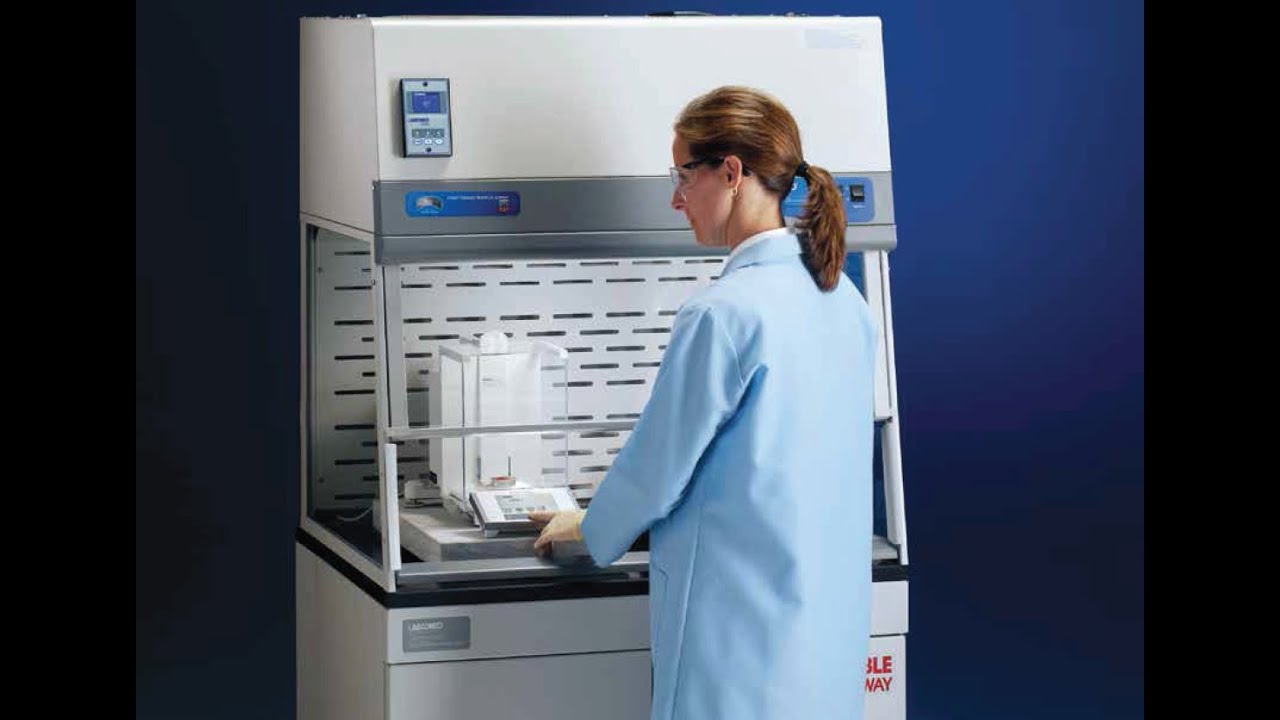
Balance Enclosure Fume Hoods | Labs USA | 801-855-8560

The Main Types of Fume Hoods

Three distinct laboratory fume hoods lined up in a room, showcasing various designs and colors.

Laboratory work varies, and so do fume hoods. Selecting the right type is essential for safety and compliance. The first major decision is choosing between a ducted or ductless model.

Ducted Fume Hoods

A ducted fume hood is connected to a building’s HVAC system and vents contaminated air directly outside. These units are the standard solution for labs that handle a wide or unpredictable variety of chemicals. They can safely remove almost any airborne contaminant generated within them. A common example is the bench top fume hood.

Ductless Fume Hoods

A ductless fume hood is a self-contained air purification system. Also known as recirculating hoods, these units draw contaminated air through carbon and HEPA filters. The filtered, clean air is then returned to the lab. They are useful when installing ductwork is not feasible. They are also a good fit for work involving a known, specific set of chemicals that the filters can effectively capture.

Comparison of Ducted vs. Ductless Fume Hoods

Feature Ducted Fume Hood Ductless (Recirculating) Fume Hood
Airflow Path Vents contaminated air outside the building Filters air and returns it to the room
Chemical Use Suitable for a broad, unknown range of chemicals Best for a known, specific set of chemicals
Installation Requires ductwork, more complex installation Simpler installation, no ductwork needed
Mobility Fixed in place once installed Often mobile and can be moved easily
Operating Costs Higher energy costs (HVAC); lower filter costs Lower energy costs; requires regular filter replacement
Best For Heavy chemical use, research, diverse applications Light-duty work, labs with no duct access, teaching labs

Ducted hoods offer the broadest protection. In contrast, ductless hoods provide flexibility and are ideal for targeted applications where mobility and easy installation are priorities.

Specialized Fume Hoods

Beyond the two main categories, specialized hoods exist for specific tasks.

  • Walk-In Fume Hoods: Large, floor-mounted units for bulky equipment.
  • Powder Containment Hoods: Designed with low airflow to avoid disturbing fine powders.
  • Canopy Hoods: Hang over an area to capture non-hazardous fumes like steam or heat.

How to Choose the Right Fume Hood

Selecting the right fume hood requires a careful analysis of your lab’s specific needs. A poor choice can compromise safety and lead to unnecessary costs. This checklist will guide you through the process of selecting from various chemical fume hoods.

A 5-Step Checklist for Selecting a Fume Hood

  1. Assess Your Chemical Use:
    • List all chemicals you will use inside the hood.
    • Note their toxicity, volatility, and quantity.
    • For a wide, changing range of chemicals, a ducted hood is usually necessary. For a small, consistent list of low-toxicity chemicals, a ductless hood might be an option.
  2. Evaluate Your Facility and Infrastructure:
    • Can your building accommodate new ductwork?
    • Is your HVAC system capable of handling the air volume a ducted hood will exhaust?
    • If ducting is not possible or is too expensive, a ductless hood is the logical alternative.
  3. Determine the Required Size and Type:
    • What size of equipment needs to fit inside the hood?
    • Will procedures require a standard benchtop model, a large walk-in hood, or another specialized type?
    • Consider both current and future needs to avoid selecting a hood that is too small.
  4. Consider Long-Term Operating Costs:
    • Ducted hoods have higher energy costs due to the constant exhausting of conditioned air.
    • Ductless hoods have ongoing filter replacement costs.
    • Calculate the total cost of ownership for both options over a 5 to 10-year period.
  5. Review Safety and Compliance Standards:
    • Check with your organization’s Environmental Health and Safety (EHS) department.
    • Ensure the selected hood meets all relevant standards, such as ASHRAE 110.
    • Confirm the chosen model provides adequate protection for the specific hazards present in your lab.

5 Use-Case Scenarios for Fume Hood Selection

  1. University Chemistry Lab: A teaching lab uses small amounts of various common solvents. A ductless fume hood is a good choice because it offers flexibility, is easy to install in older buildings, and can handle the specific, known chemicals used in a curriculum.
  2. Pharmaceutical Research Lab: This lab synthesizes new, unknown compounds with high toxicity. A ducted, high-performance fume hood is essential to provide the highest level of protection against unpredictable hazards.
  3. Industrial Quality Control Lab: Technicians perform repetitive acid digestion procedures. A ducted hood with an acid-resistant liner (like PVC or polypropylene) is necessary to withstand the corrosive environment.
  4. Mobile Environmental Testing Unit: A lab in a trailer needs to analyze air samples on-site. A portable, ductless fume hood is the only practical option, providing necessary containment without requiring permanent infrastructure.
  5. Histology Lab: Technicians work with formalin and xylene. A ducted hood is the safest choice to continuously remove these hazardous fumes from the workspace. A flexible exhaust snorkel could also be used for smaller, targeted tasks.

Best Practices for Fume Hood Safety

A fume hood is only as safe as the person using it. Following proper procedures is essential for the hood to work as designed. Adhering to a few key rules can prevent accidents and protect the team from chemical exposure.

First, always keep the sash at the lowest possible working height. A mark from the manufacturer usually indicates this level. This simple step maximizes the hood’s containment ability and provides a physical shield.

Second, consider airflow when setting up equipment. Do not crowd items inside the hood. Large objects should be placed on blocks at least six inches away from the back baffle to allow air to move freely. Never use the hood for chemical storage, as this obstructs airflow and introduces unnecessary hazards.

Conclusion

A fume hood is more than just a piece of lab equipment. It is the most important engineering control for protecting your team from airborne chemical hazards. Understanding what a fume hood is, how it works, and the different types available is the first step toward creating a safer workspace.

Its effectiveness depends on choosing the right model for your applications, using it correctly, and following a consistent maintenance schedule. By following established safety standards, you ensure this vital equipment provides the protection your team relies on.

Ready to improve your lab’s safety and efficiency? Compare our complete range of fume hood options. If you need assistance, our specialists are here to help you plan the perfect lab layout.

Frequently Asked Questions (FAQs)

Here are answers to some of the most common questions we receive about fume hoods.

1. What is the difference between a fume hood and a biosafety cabinet?

A fume hood protects the user from chemical fumes. A biosafety cabinet protects the user, the environment, and the sample from biological contaminants. Fume hoods vent air out, while biosafety cabinets use HEPA filters to clean the air and often recirculate it in a specific pattern to create a sterile work area.

2. What is face velocity and why is it important?

Face velocity is the speed at which air is pulled into the opening of the fume hood. It is important because it creates the air barrier that contains fumes. If the velocity is too low, contaminants can escape. If it is too high, it can create turbulence that also allows fumes to escape.

3. How often should a fume hood be certified?

Fume hoods should be tested and certified at least once a year. Certification should also occur after installation, relocation, or major repairs. This testing, often following the ASHRAE 110 standard, confirms the hood is providing adequate protection. Always consult local regulations and your EHS department.

4. Can I use a standard fume hood for handling fine powders?

It is generally not recommended. Standard fume hoods create airflow that can disturb fine powders, making them airborne. A specialized powder containment hood, or balance enclosure, is designed with gentle airflow to keep powders contained on the work surface.

5. Why should I not store chemicals in a fume hood?

Storing chemicals, especially in large quantities, inside a fume hood disrupts proper airflow. This can create dead spots where fumes are not captured effectively. It also increases the risk of spills and reactions and clutters the workspace. Chemicals should be stored in appropriate safety cabinets.

6. What maintenance does a fume hood require?

Regular maintenance includes daily visual checks, cleaning spills immediately, and ensuring the sash moves smoothly. Annual certification by a qualified technician is also required to test airflow and check mechanical parts. For ductless hoods, a strict filter monitoring and replacement schedule is critical.

7. What does VAV mean in a fume hood?

VAV stands for Variable Air Volume. A VAV fume hood system automatically adjusts the amount of air it exhausts to maintain a constant face velocity as the sash is raised or lowered. This makes it more energy-efficient than a Constant Air Volume (CAV) system, which exhausts the same amount of air regardless of sash position.

A Practical Guide to Laboratory Phenolic Casework

Choosing the right laboratory furniture is a critical decision. The materials you select affect the safety, efficiency, and durability of your workspace for years. For lab managers who need long-term performance and safety, laboratory phenolic casework is a leading choice. It is an engineered composite made by fusing layers of kraft paper with phenolic resin under high heat and pressure. The result is a solid, non-porous panel built for the harsh realities of a scientific environment.


What You Need to Know About Phenolic Casework

  • What It Is: Phenolic casework is made from layers of kraft paper saturated in phenolic resin, then fused into a solid, dense panel under high heat and pressure.
  • Key Benefits: It is highly resistant to chemicals, moisture, and impact. The non-porous surface prevents bacterial and mold growth.
  • Best For: University labs, pharmaceutical R&D, clinical diagnostics, and industrial QC labs where a balance of durability, chemical resistance, and cost is needed.
  • Comparison: It offers a great middle ground between wood laminate (less durable) and more specialized materials like epoxy resin (higher cost) or stainless steel (better for heat).
  • Maintenance: Cleaning is simple. Use mild soap and water. Avoid abrasive cleaners, scouring pads, and wax-based polishes.

What Is Laboratory Phenolic Casework?

A lab technician works at a long counter with blue phenolic casework, white drawers, and green cabinets.

Laboratory phenolic casework is a versatile and durable furniture solution for scientific settings. Its construction process is key to its performance. Manufacturers take sheets of natural kraft paper and saturate each one with phenolic resin. Then, they press the sheets together under intense heat until they form a single, dense panel. This process creates a material that is uniform all the way through.

Why Labs Trust Phenolic Casework

This unique manufacturing process gives phenolic resin a set of ideal properties for a lab. It has become the preferred choice where controlling contamination, resisting harsh chemicals, and ensuring long-term durability are priorities.

Here is why it is so trusted:

  • Chemical Resistance: It holds its own against many common lab chemicals, solvents, and cleaning agents without breaking down.
  • Moisture Resistance: The surface is completely non-porous, so it will not absorb water. This prevents swelling, peeling, and the growth of mold or bacteria.
  • High Durability: The dense core is resistant to scratches, dings, and the daily use of a busy laboratory.

These benefits make phenolic casework a staple in many fields. You can find it in university research labs, pharmaceutical facilities, healthcare clinics, and industrial testing centers. It provides a functional, resilient foundation for critical scientific work. Understanding the full range of laboratory furniture and casework is the first step in making the right choice for your facility.

How Phenolic Casework Is Engineered for Durability

Close-up view of a multi-layered material cutaway, showcasing a porous brown solid phenolic core.

The durability of laboratory phenolic casework is the result of a deliberate, high-pressure manufacturing process. This process turns simple materials into a powerful composite built for tough lab environments.

It begins with layers of natural kraft paper. These sheets are saturated with a special phenolic resin. The resin acts as a strong bonding agent and prepares the paper for transformation.

The Fusion Process

After soaking in resin, the sheets are stacked together. This stack is then subjected to intense heat and pressure inside a press. This is not just a lamination process. It is a chemical reaction that permanently fuses all layers into a single, unified panel.

The result is a solid phenolic compact. It is an incredibly dense, non-porous material that is the same through and through. There are no layers to peel back or delaminate over time. This solid, monolithic construction is the secret behind its strength. When you understand how phenolic resin work surfaces are made, you see why they are a trusted choice for safety and longevity.

Protective Surface Layers

While the core provides strength, the surface layers add appearance and defense. Two final layers are integrated during manufacturing.

  • A Decorative Layer: A printed sheet gives the casework its final color or pattern. This offers design flexibility to match any lab’s look.
  • A Protective Overlay: A tough, clear layer is applied over the decorative sheet and cured. This creates a hard shell that resists scratches, scuffs, and UV light.

The demand for these rugged materials is rising. The global market for phenolic compounds is projected to grow significantly. This growth is driven by the need for non-porous surfaces that prevent bacterial growth in advanced research facilities.

Phenolic Resin vs. Other Lab Materials

Choosing the right material for your lab casework is an important decision. It impacts your team’s safety, the longevity of your investment, and your budget. Laboratory phenolic casework is an excellent all-around performer. However, you must compare it against other common options like epoxy resin, stainless steel, and wood laminate.

A side-by-side comparison highlights the practical trade-offs. For example, epoxy resin offers superior resistance to a wide range of harsh chemicals, but it is more expensive and difficult to repair. Stainless steel is best for heat tolerance and sterile environments, but it can dent and is vulnerable to certain acids. Seeing the full picture helps you match the material to your lab’s daily operations.

Laboratory Casework Material Performance Comparison

This table compares the key characteristics of phenolic resin, epoxy resin, stainless steel, and wood laminate.

Feature Phenolic Resin Epoxy Resin Stainless Steel Wood Laminate
Chemical Resistance Excellent resistance to common solvents, acids, and disinfectants. Superior resistance to a very broad spectrum of harsh chemicals. Good, but vulnerable to specific acids, chlorides, and halogens. Poor; easily damaged by most chemicals and cleaners.
Durability & Impact High resistance to scratches, impact, and general wear. Very hard and durable, but can be brittle and may chip. Strong and durable, but can be dented or scratched. Low resistance to scratches, impact, and delamination.
Heat Tolerance Good continuous heat resistance up to 350°F (176°C). Excellent; can withstand very high temperatures. Superior heat tolerance, ideal for high-heat tasks. Poor; easily damaged by hot items.
Moisture Resistance Excellent; non-porous surface prevents absorption and mold. Excellent; completely non-porous and waterproof. Excellent; non-porous and resistant to water and rust. Poor; core material swells and delaminates with moisture.
Maintenance Very low; easy to clean with standard non-abrasive cleaners. Low maintenance; chipped areas are difficult to repair. Easy to clean but can show fingerprints and water spots. High maintenance; requires careful cleaning.
Cost Mid-range; offers a great balance of performance and affordability. High; one of the more expensive options. High; cost varies based on grade (e.g., 304 vs. 316). Low; the most budget-friendly option with a shorter lifespan.

The best choice depends on the specific job. Each material excels in different scenarios. Phenolic resin is often the go-to for university, clinical, and QC labs where a blend of chemical resistance, durability, and a reasonable price is needed. It is always worth taking the time to evaluate all the laboratory work surfaces available to find the perfect match.

How to Choose the Right Phenolic Casework

Person in lab coat reviewing a selection checklist with various material samples on a blue table.

Selecting the right laboratory phenolic casework is about more than appearance. Your choices impact team safety, workflow, and how well your investment lasts. A systematic approach ensures your cabinets and work surfaces match your lab’s daily demands.

This simple five-step checklist can guide you. It turns a complex decision into a logical, step-by-step process. Following it helps you cover all the important details.

A 5-Step Checklist for Selecting Phenolic Casework

1. Assess Chemical Exposure

First, create a complete list of every chemical, solvent, acid, and cleaning agent used in the lab. Note their concentrations and how often they will contact the surfaces. Then, compare your list with the manufacturer’s chemical resistance charts for their specific phenolic resin products. This data shows you how the material will perform against specific substances over time. This is the most critical step for ensuring the safety and longevity of your casework.

2. Evaluate Load-Bearing Needs

Next, consider everything that will sit on or be stored in your casework. This includes not just glassware but also heavy equipment like mass spectrometers or centrifuges. Calculate the total weight per linear foot your benches and cabinets must support. Share these numbers with your supplier. They can confirm that the casework construction, from shelf thickness to support brackets, is adequate.

3. Select Finishes and Edge Types

The finish on your phenolic casework does more than provide color. Standard finishes are durable and easy to clean. Some manufacturers offer enhanced options with even greater scratch or chemical resistance.

Edge treatments are also important for safety and usability. Common options include:

  • Beveled Edge: A slight angle that removes sharpness and helps prevent chipping.
  • Bullnose Edge: A fully rounded edge that is comfortable and safer in high-traffic areas.

Choose an edge profile that fits your lab’s workflow. A smooth, rounded edge is often best to prevent snagging lab coats and reduce injury risk. The market for phenolic panels is large and growing. You can discover more insights about the phenolic boards market and its standards.

4. Choose Durable Hardware

Hardware is the part of your casework you interact with every day. Do not compromise on quality. Your choice of hinges, handles, and drawer slides affects both ease of use and long-term durability. Always select hardware built for lab environments. This usually means stainless steel or other corrosion-resistant coated metals. Look for heavy-duty, five-knuckle institutional-style hinges. For handles, recessed pulls avoid snags, while simple wire pulls are easy to grab with gloved hands.

5. Verify Industry Compliance

Finally, ensure the casework you specify meets key industry standards. The most important one to look for is SEFA 8. This standard from the Scientific Equipment and Furniture Association is the benchmark for performance. A SEFA 8 compliance mark is a guarantee. It means the casework has passed rigorous tests for load capacity, chemical resistance, and finish durability. This certification validates that the furniture is built for the demands of a modern lab.

Decision Scenarios: Where Phenolic Casework Excels

Blue text box with 'ARIAL HELVETICA Real-World Uses' in a blurry science laboratory setting.

Technical specifications for laboratory phenolic casework are useful. However, seeing how it performs in the real world is more telling. The value of phenolic resin becomes clear when you see how it solves challenges in different scientific environments.

These scenarios show where phenolic casework is a perfect fit.

1. University Science Labs

University labs face high student traffic, diverse chemicals, and tight budgets. Phenolic casework is ideal here because it resists daily wear and tear, from scratches and impacts to constant cleaning. Its resistance to a wide range of common acids, bases, and solvents makes it a safe choice for teaching labs. The non-porous surface also simplifies cleanup between classes.

2. Pharmaceutical R&D Support Areas

In pharmaceutical R&D, preventing contamination is essential. Labs need surfaces that are easy to sanitize and offer no place for microbes to grow. The non-porous nature of phenolic resin makes it a great match for non-sterile support areas within these facilities. Phenolic surfaces can be wiped down with harsh disinfectants without degrading. This is critical for maintaining the strict cleanliness required for sensitive research.

3. Clinical and Diagnostic Labs

Clinical labs are fast-paced environments where accuracy is vital. Staff handle biological samples and use aggressive cleaning agents daily. Phenolic casework is a smart choice due to its excellent resistance to stains from both biological fluids and common disinfectants. Its durability also means cabinets and workstations can handle the constant movement of equipment. In areas with sinks, its moisture resistance is a major advantage.

4. Industrial Quality Control Labs

Industrial QC labs test a wide range of materials. This can mean exposure to oils, solvents, and various acids. The work often requires heavy-duty surfaces that can support large equipment. Phenolic casework is a strong contender here because of its broad chemical resistance, high impact strength, and impressive load-bearing capacity when properly constructed. For specialized facilities, it is crucial to understand specific demands. You can learn more about choosing the right casework for a mineral lab to see how material properties should align with industry needs.

5. Water Treatment Facilities

Few places are as demanding as a water treatment facility when it comes to moisture. Constant high humidity and water exposure can quickly destroy materials like wood laminate. For these settings, phenolic casework is the best solution. Because it is non-porous, phenolic resin will not swell, warp, or delaminate when wet. This makes it the perfect material for cabinetry and work surfaces in a lab where water is a constant presence.

Installation and Long-Term Maintenance

Proper installation and consistent upkeep are key to getting the most from your laboratory phenolic casework. Phenolic resin is durable, but a correct setup and a simple care routine will protect your investment.

Professional installation is the foundation for long-term performance. An experienced crew ensures every cabinet is level, plumb, and securely anchored. They also confirm that countertops are supported to handle their intended loads without stress. This prevents long-term issues like sagging shelves or wobbly work surfaces.

Simple Steps for Routine Cleaning

One of the best features of phenolic resin is its easy maintenance. For most daily cleaning, a soft cloth with a mild, non-abrasive detergent and water is all you need.

  • Wipe surfaces with your cleaning solution to remove dirt and spills.
  • Rinse the area with a cloth and clean water to remove any soap residue.
  • Dry the surface with a clean, soft cloth to prevent water spots.

What to Avoid During Maintenance

To protect the finish, avoid certain products. Never use abrasive cleaners, scouring pads, or steel wool. These can create small scratches on the surface and dull the finish. Also, avoid wax-based polishes, which can leave a hazy film. Understanding the difference between Preventive vs. Reactive Maintenance can save you time and money.

Safety Note: Always check with your facility’s Environmental Health and Safety (EHS) team before using a new cleaning product. Review the Safety Data Sheet (SDS) for any chemical cleaner to understand safe use and required personal protective equipment.

Following these guidelines will help you maintain a safe and functional lab. With a little care, your casework will perform well for decades. You can review our complete laboratory casework specifications for more technical details.

Full Lab Design Specialists | Labs USA | 801-855-8560

Frequently Asked Questions (FAQs)

Here are answers to some common questions about laboratory phenolic casework.

1. Is phenolic casework truly waterproof?

Yes, for laboratory purposes, phenolic is waterproof. The manufacturing process creates a solid, non-porous panel that moisture cannot penetrate. This means it will not swell, warp, or delaminate. It is an excellent choice for areas with high humidity or near sinks. However, ensure your installer properly seals all seams to protect the underlying structures.

2. How does the lifecycle cost compare to epoxy resin?

Initially, phenolic casework often has a lower purchase price than epoxy resin. When considering long-term cost, you should factor in maintenance and lifespan. Both materials are very durable. Epoxy may have a longer life in labs with extremely harsh or exotic chemicals. For most university, research, and clinical labs, phenolic offers a great balance of performance and long-term value.

3. Can I repair a scratch on a phenolic surface?

Minor scuffs can often be buffed out. However, deep scratches or gouges are difficult to repair perfectly. The color and pattern are in a decorative top layer. A deep cut can expose the dark phenolic core. Unlike epoxy resin, there are no simple patch kits. The material is very hard and scratch-resistant to begin with, so proper care is the best strategy.

4. What is the maximum temperature phenolic can handle?

Phenolic resin countertops have good heat resistance but are not intended for constant high temperatures. They can handle intermittent heat up to approximately 350°F (176°C). A hot beaker set down for a short time should not be an issue. However, a hot plate left on the surface for an extended period could cause damage. For sustained high heat, consider epoxy resin or stainless steel.

5. Is phenolic casework an eco-friendly option?

Yes, it can be. The core of a phenolic panel is made from kraft paper, which often comes from sustainable forests and may contain recycled content. Many top manufacturers also focus on responsible production with low volatile organic compound (VOC) emissions. Some products can help your building earn points toward LEED certification. Ask your supplier for their specific environmental certifications.

6. What is the typical lead time for a custom order?

Lead time can vary. It depends on the complexity of your design, the manufacturer’s schedule, and your selected colors or finishes. As a general guideline, expect a wait of 6 to 12 weeks from the approval of final drawings. It is important to confirm this with your supplier early in your project planning to avoid delays. Some standard sizes and styles may be in stock for faster delivery.

Plan Your Laboratory with Confidence

Choosing the right laboratory phenolic casework is a major step in creating a safe, efficient, and durable workspace. By understanding its construction, comparing it to other materials, and following a clear selection process, you can make an informed decision that supports your scientific work for years to come.

Ready to find the perfect fit for your facility? Our team is here to help you navigate the options and design a lab that meets your exact needs.

Compare Your Laboratory Casework Options

Request a Quote and Plan Your Layout

Your Guide to a High-Performance Lab Balance Table

A lab balance table is a special type of furniture. It is built to create a stable, vibration-free surface for sensitive weighing instruments. Unlike a standard workbench, it uses high-mass materials and dampening systems. These features isolate the balance from environmental tremors. This ensures your measurements are both accurate and repeatable.


Key Takeaways

  • Purpose: A lab balance table provides an ultra-stable surface to prevent vibrations from affecting sensitive weighing instruments.
  • Core Features: Key components include a high-mass top (like granite), vibration-damping materials, a rigid frame, and adjustable leveling feet.
  • Material Choices: Granite offers the best vibration damping. Steel provides strength. Epoxy and phenolic resins offer superior chemical resistance.
  • Selection Process: Choose a table based on your balance’s sensitivity, your lab’s environment, size needs, and budget.
  • Installation: Proper setup is critical. Place the table in a low-traffic area and use a spirit level to ensure the surface is perfectly flat.

Understanding the Purpose of a Lab Balance Table

Think of a lab balance table as a steady foundation for your most precise work. It is not just a heavy table. It is a purpose-built platform designed to eliminate vibration. Tiny tremors from footsteps, HVAC systems, or nearby equipment can affect an analytical balance.

A laboratory workbench featuring a digital balance, other scientific equipment, and a blue 'STABLE MEASUREMENTS' sign.

Alt text: A digital lab balance on a stable lab balance table, ready for precise measurements.

These small disruptions can lead to flawed data and wasted resources. This makes a dedicated table essential for maintaining measurement integrity.

How These Tables Ensure Stability

A lab balance table gets its stability from a few core components. Each part has a specific job in creating a vibration-free zone. The primary features are:

  • A High-Mass Top: Materials like granite or solid steel provide significant weight. This mass helps absorb and deaden vibrations before they reach the balance.
  • Dampening Materials: Special pads are often placed between the top and the frame. These pads further isolate the weighing surface from disruptive energy.
  • A Rigid Frame: A strong, heavy-duty frame prevents flexing or swaying. It provides a solid base that works with the high-mass top.

Together, these parts create a platform for repeatable and trustworthy measurements. This is true no matter what is happening in the surrounding lab.

The Impact on Laboratory Work

The demand for precision is growing, especially in fields like pharmaceuticals. The global market for laboratory balances depends on these stable environments. By minimizing outside interference, a lab balance table allows analytical balances to perform at their best.

This leads to more consistent results. It also reduces the need for repeated measurements and builds confidence in experimental data. This furniture is a key tool for any lab where accuracy is important. While it might look like a standard lab bench, its function is more specific and critical to your work.

Core Features of a High-Performance Lab Balance Table

What separates a high-performance lab balance table from a simple workbench? It comes down to features engineered for stability. These parts work together to create a vibration-free area for sensitive instruments.

Alt text: Core features of a lab balance table highlighted next to a lab setup.

Understanding these key elements helps you appreciate the engineering behind each accurate measurement.

Vibration Isolation and Damping

The main job of a lab balance table is vibration isolation. It acts like high-tech shock absorbers for your lab. Its purpose is to stop vibrations from the floor, building, or equipment from reaching the weighing surface.

This is achieved through a combination of mass and special materials. Heavy components, like a thick granite slab, are naturally hard to move. Vibrations that get through are absorbed and converted into a tiny amount of heat.

  • Active Isolation: Some advanced tables use electronic systems to sense and cancel out vibrations in real time.
  • Passive Isolation: Most tables use passive methods. This involves using heavy materials and vibration-dampening pads to absorb disruptive energy.

Why High-Mass Materials Matter

When fighting vibration, mass is your best friend. A heavy object takes more energy to move than a light one. This is why materials like granite and steel are common choices for building balance tables.

A dense granite top can weigh hundreds of pounds. This weight creates inertia. This makes the table resistant to disturbances from footsteps, closing doors, or airflow.

The table’s frame is also crucial. A heavy-gauge, welded steel frame provides a rigid base. This structure prevents flexing that could ruin the stability of the weighing surface.

The Role of Leveling and Surface Quality

A perfectly level surface is mandatory for accurate weighing. Even a slight tilt can affect a balance’s internal mechanisms and produce incorrect results. That is why every performance balance table has adjustable leveling feet.

These feet allow you to make small adjustments at each corner. This makes the tabletop perfectly horizontal. This is a critical step during setup and should be checked regularly.

The surface material itself is also a key decision. Granite offers the best vibration damping. However, other materials are better for specific environments. For instance, epoxy or phenolic resin provide great resistance to harsh chemicals. You can explore a wide variety of lab workstations and tables to see how different surfaces fit various needs.

Comparing Materials for Your Lab Balance Table

Choosing the right material for your lab balance table is an important decision. It affects performance, durability, and chemical resistance. This choice impacts how stable your setup is and how long it will last.

Four square material samples displayed on a light brown surface, with a 'Material Comparison' sign.

Alt text: Four different material samples for lab balance tables, including granite and resin.

We will review the most common materials: granite, steel, epoxy resin, and phenolic resin. We will focus on vibration damping, chemical resistance, load capacity, and cost.

Granite Tops for Maximum Vibration Damping

For stopping vibrations, granite is the best choice. Its density and mass make it a solid foundation. It absorbs and eliminates the low-frequency vibrations that can affect sensitive measurements.

This is why granite is preferred for labs using analytical balances. While its chemical resistance is good, it will not stand up to harsh acids as well as epoxy or phenolic resin can.

Steel for Durability and Strength

Steel is another strong material known for its durability. A steel lab balance table with a welded frame creates a rigid platform. It can handle heavy equipment and is easy to clean.

On its own, steel does not have the same vibration-damping power as granite. That is why high-performance tables often combine a steel frame with a separate granite top. This approach gives you both structural integrity and vibration isolation.

Resins for Chemical Resistance

If your lab deals with chemical spills, then epoxy and phenolic resins are good options. These materials are engineered to resist exposure to a wide range of acids and solvents.

While they do not provide the same vibration damping as granite, their chemical resistance makes them ideal for certain applications. Epoxy resin is especially tough against heat and moisture. Phenolic resin offers similar resistance at a lower price.

Comparing Key Material Properties

This table compares the options to help you choose. Think about what matters most in your lab as you look at how each material performs.

Material Vibration Damping Chemical Resistance Load Capacity Relative Cost
Granite Excellent Good Very High High
Steel Good Moderate Very High Moderate-High
Epoxy Resin Fair Excellent High Moderate-High
Phenolic Resin Fair Very Good High Moderate

The best material depends on your application. For precision weighing, granite’s damping is unmatched. For structural strength, steel is a great choice. For corrosive environments, resins provide the protection you need. For more details, explore our full range of laboratory work surfaces.

How to Choose the Right Lab Balance Table

Selecting the right lab balance table affects the accuracy of your work. It requires an assessment of your instruments, your lab environment, and your workflow. Following a structured process helps you make a confident choice.

A 5-Step Checklist for Selecting Your Table

  1. Assess Your Balance: Check your balance’s sensitivity, size, and weight capacity. A more sensitive balance requires better vibration isolation, like a granite top.
  2. Analyze Your Lab Environment: Identify sources of vibration, such as foot traffic or machinery. Note any air currents from vents or chemical exposure risks.
  3. Determine Size and Ergonomic Needs: Measure your available space. Consider the working height for user comfort. Adjustable lab tables offer flexibility for multiple users.
  4. Evaluate Materials and Features: Match the tabletop material to your needs. Do you need granite for damping, resin for chemical resistance, or an ESD surface for electronics?
  5. Verify Budget and Compliance: Ensure the table fits your budget and meets any lab standards, like Good Laboratory Practice (GLP).

Best Practices for Installation and Maintenance

A lab balance table is only as good as its setup. Correct installation and regular care are necessary to get a stable, vibration-free foundation.

A man in a blue uniform uses a green spirit level on a workbench, showing installation tips.

Alt text: A technician uses a spirit level to install a lab balance table correctly.

Proper Installation Steps

Correct installation is the first and most important step. A poorly placed or unlevel table will not isolate vibrations.

First, choose the best location. The ideal spot for a lab balance table is the quietest, most stable part of the room. This means:

  • In a low-traffic corner to avoid bumps.
  • Away from doors that slam or create air currents.
  • Far from HVAC vents, fume hoods, or windows.
  • On a solid, ground-floor slab if possible.

After finding the right spot, assemble the table. The most critical part is leveling. Use a precision spirit level on the tabletop. Adjust the leveling feet at each corner until the bubble is centered. Check for levelness in both directions.

Routine Maintenance for Long-Term Performance

Your balance table needs simple care to stay in top condition. A consistent routine prevents problems and extends its life.

First, wipe the surface daily with a soft cloth and an approved cleaning agent. For granite, a neutral pH cleaner is best. For epoxy or phenolic resin, an isopropyl alcohol solution often works. Always check with your facility’s EHS for approved cleaners.

Next, perform a quick weekly checkup.

  1. Re-Check the Level: Place your spirit level back on the table to confirm it has not shifted.
  2. Inspect for Damage: Look for any new cracks, chips, or deep scratches on the surface.
  3. Tighten Fasteners: Check the bolts and screws on the frame to make sure they are still snug.

A well-maintained lab balance table provides a reliable foundation. If you are designing a new lab, plan your lab layout with these placement needs in mind from the start.

5 Decision Scenarios for Your Lab

To see how a lab balance table works in the real world, let’s look at common lab scenarios. The right setup always depends on the specific work you do.

1. For a Pharmaceutical QC Lab

  • Scenario: A quality control lab weighs small amounts of active pharmaceutical ingredients (APIs). Precision is critical for regulatory compliance. Even a small vibration from a nearby centrifuge can ruin a measurement.
  • Solution: A table with a solid granite top is necessary. Its mass absorbs ambient vibrations. Pair it with a heavy-duty steel frame. For weighing fine powders, use a balance enclosure to block air currents.

2. For a University Chemistry Lab

  • Scenario: A busy teaching lab has high traffic and frequent chemical spills. The table surface must be durable and resistant to a wide variety of acids and solvents.
  • Solution: An epoxy resin or phenolic resin top is ideal. These surfaces are built to withstand chemical exposure. A sturdy steel frame provides the necessary support for various experiments.

3. For an Electronics Cleanroom

  • Scenario: A lab works with sensitive microchips. A single spark of static electricity can destroy a component. The weighing surface must safely ground any static charges.
  • Solution: An ESD-safe lab balance table is essential. It has a special dissipative top connected to a ground point. This setup channels static electricity away from your components.

4. For a High-Throughput Industrial Lab

  • Scenario: An industrial testing lab requires speed and durability. The tables must support heavy equipment and fit into a non-stop production workflow.
  • Solution: A heavy-duty steel table provides the necessary strength. For labs with less sensitive balances, a thick stainless steel top is a great choice. It offers enough mass to dampen minor vibrations while providing excellent durability.

5. For a Forensics Lab

  • Scenario: A forensics lab handles trace evidence. Measurements must be exact, and cross-contamination must be avoided. The table needs to be stable and very easy to clean.
  • Solution: A stainless steel table with an isolated granite insert is a good choice. The stainless steel surface is non-porous and simple to decontaminate. The granite insert provides the stability needed for the analytical balance.

Frequently Asked Questions (FAQs)

Here are answers to common questions about choosing and using a lab balance table.

Can I just use a heavy workbench instead?

A heavy workbench is more stable than a standard desk. However, it is not a true lab balance table. A purpose-built balance table has high-mass materials and isolation systems designed to cancel low-frequency vibrations. A simple workbench cannot do this.

What is the difference between granite and steel tables?

Granite is the best material for vibration damping. Its mass and density are excellent at absorbing disruptive energy. Steel provides great structural durability and good stability, but it is not as effective at eliminating vibrations as solid granite. Many designs use a steel frame with a granite top for the best of both.

How do I know if vibrations are affecting my measurements?

Your balance will often show you. If the last digit on the display flickers or the reading drifts, vibrations are likely the cause. This instability makes it hard to get a trustworthy reading. A simple test is to place a shallow dish of water on your work surface. If you see ripples, you have vibrations.

Does a lab balance table need calibration?

The table itself is not calibrated like an instrument. However, its setup is just as important. You must ensure the table is perfectly level. We recommend checking it with a spirit level from time to time. Your balance needs regular calibration. If the table is moved, re-level the table first, then recalibrate the balance.

When is an ESD lab balance table necessary?

An Electrostatic Dissipative (ESD) table is required if you are weighing anything affected by static electricity. These tables have a surface that safely grounds static charges. Static can affect a balance’s load cell or cause fine powders to jump or cling to surfaces. This leads to inaccurate readings.

What is the ideal location for a balance table?

The ideal location is in a low-traffic corner, on a ground floor if possible. It should be away from doors, windows, and HVAC vents. This minimizes disturbances from footsteps, air currents, and building sway.

How much weight can a balance table support?

Load capacity varies by model and materials. Heavy-duty steel and granite tables can often support 1,000 lbs or more. Always check the manufacturer’s specifications to ensure the table can handle the weight of your balance and any samples or equipment.

Your Foundation for Precision Work

A lab balance table is more than furniture. It is a core piece of equipment that protects the integrity of your work. By creating a stable, vibration-free surface, the right table eliminates the risk of bad data from the start. This affects the reproducibility of your experiments and improves the quality of your research.

Choosing the correct table is an investment in the reliability of every measurement you take. It is the steady base upon which all your precise, trustworthy results are built. A high-performance balance table is a direct investment in the confidence you have in your lab’s findings.

Ready to build a stable foundation for your lab? Compare our lab balance table options today.

Need a hand planning out your new workspace? Request a quote from our lab design experts.

A Practical Guide to the Modern Lab Glove Box

A lab glove box is a sealed container that lets you handle sensitive materials in a controlled environment. It has built-in gloves that allow you to work inside the chamber. This design keeps everything inside isolated from the outside air. The main goal is to protect your materials from contamination or to protect you from hazardous substances.


Your Quick Guide to Lab Glove Boxes

  • What it is: A sealed box with gloves to handle sensitive materials in a controlled atmosphere.
  • Key Types: Inert atmosphere boxes protect samples from air, while containment boxes protect users from hazards.
  • Main Materials: Stainless steel for durability and chemical resistance; acrylic for visibility and lower cost.
  • How to Choose: Your choice depends on your application, chemical use, size needs, and budget.
  • Safety First: Always use the correct pressure (positive or negative) and perform regular leak tests.

Understanding How a Lab Glove Box Functions

A blue lab glove box labeled 'GLOVE BOX BASICS' sits on a wooden counter in a science laboratory.

You can think of a lab glove box as a small, personal cleanroom. Its main job is to create an isolated atmosphere. This is essential for many scientific and industrial tasks. This isolation stops oxygen, moisture, dust, or microbes from ruining an experiment or harming a worker.

The need for these controlled spaces is growing. In 2024, the global market for lab glove boxes was valued at about US$270 million. It is expected to reach US$364 million by 2031. This growth is logical because these boxes are critical in fields like battery research, pharmaceuticals, and electronics.

The Core Components of a Glove Box

A glove box is a system of key parts working together. Understanding these components helps explain how the system maintains such precise control.

  • Main Chamber: This is the large, sealed workspace. It is usually built from materials like stainless steel or acrylic. It always has a large, clear window so you can see your work.
  • Antechamber (Airlock): This is a smaller chamber attached to the main one. You place materials here to move them in or out. This process ensures the main workspace stays pure.
  • Gloves: These are long, heavy-duty gloves sealed to the glove ports. They allow you to work inside without breaking the seal. The glove material depends on the chemicals you handle.
  • Gas Purification System: Many glove boxes have this feature. It is a closed-loop system that circulates the internal atmosphere through filters. It removes oxygen and moisture to very low levels, often less than one part per million (ppm).

Positive vs Negative Pressure Systems

The internal pressure is a critical safety feature. It can be set higher or lower than the air pressure outside. The choice depends on what you need to protect.

If you need to shield a sensitive sample from the outside air, you use positive pressure. This means if a small leak occurs, the clean gas inside flows out. This pushes contaminants away.

If you are working with hazardous materials, you use negative pressure. That way, if there is a breach, outside air rushes in instead of hazardous fumes leaking out. This containment method is similar to how many laboratory fume hoods protect the user.

Comparing the Different Types of Lab Glove Boxes

Not all lab glove boxes are the same. Each type is built for a specific job. Getting to know the main categories helps you find the right fit for your lab. The choice comes down to your primary goal: isolation or containment.

Three white laboratory glove boxes sit on a black counter in a modern science classroom.

The two main types are inert atmosphere glove boxes and containment glove boxes. They might look similar, but their functions and safety features are very different. Let’s look at each type.

Inert Atmosphere Glove Boxes

These boxes protect what is inside. Their main job is to create an environment free of oxygen and moisture. This is crucial for working with materials that react with normal air.

The box is filled with a non-reactive or inert gas, usually argon or nitrogen. A gas purification system constantly circulates this gas. It scrubs out any stray oxygen and water vapor. Top systems can keep impurity levels below 1 part per million (ppm).

You will find these systems in labs focused on:

  • Battery Research: Assembling lithium-ion batteries with highly reactive components.
  • Organometallic Chemistry: Making compounds that are very sensitive to air and moisture.
  • Semiconductor Manufacturing: Handling delicate parts that can be damaged by oxidation.

Containment or Isolation Glove Boxes

Containment glove boxes do the opposite. They protect the user and the lab from hazardous materials inside the box. Here, safety is the top priority.

They operate under negative pressure. This means the pressure inside the box is slightly lower than the lab’s pressure. If a leak happens, air from the room would rush in, not out. These glove boxes often have HEPA filters to clean the exhaust air.

Containment glove boxes are standard for:

  • Pharmaceutical Compounding: Handling potent active pharmaceutical ingredients (APIs).
  • Biological Research: Working with viruses, bacteria, or other biohazards.
  • Radiochemistry: Safely handling radioactive materials.

General-Purpose and Hybrid Models

You can also find more flexible glove boxes. General-purpose models, often made from acrylic, provide a simple physical barrier. They are good for tasks like weighing powders or protecting samples from dust. They do not offer a controlled atmosphere.

Hybrid models combine features from different types. For instance, a system might provide an inert atmosphere while running under negative pressure. This setup offers both product and user protection.

Lab Glove Box Types Comparison

This table provides a quick comparison of the primary types of glove boxes. It highlights their purpose, atmosphere, and common uses.

Glove Box Type Primary Purpose Typical Atmosphere Common Applications
Inert Atmosphere Protect the sample from air and moisture. Positive pressure with nitrogen or argon. Battery research, materials science.
Containment/Isolation Protect the user from hazardous materials. Negative pressure with filtered air. Pharmaceuticals, biological research.
General-Purpose Provide a basic physical barrier. Ambient air, no pressure control. Powder weighing, dust-free assembly.

Choosing the right glove box starts with a clear understanding of your goals. There is a specific design built to handle the job safely and effectively.

Understanding Key Materials and Construction

The quality of a lab glove box depends on its materials. You need to select a glove box built from materials that can handle your specific work. Making the right choice ensures chemical compatibility, a pure atmosphere, and a long lifespan.

Work gloves and a clear-top experimental box on a wooden bench outdoors.

Every part matters, from the main chamber to the gloves. Let’s review the common materials used in glove box construction.

Primary Chamber Materials

The main chamber is your first line of defense. The material used here determines chemical resistance, vacuum capability, and overall durability.

Stainless Steel
For demanding jobs, stainless steel is the best choice. It offers excellent chemical resistance, is easy to clean, and is very durable. Its non-porous surface is perfect for achieving low leak rates. This is essential for high-purity systems where oxygen and moisture must stay below 1 ppm.

Aluminum
Aluminum is a lighter and more affordable option. It does not have the same chemical resistance as steel. However, it is a good pick for general-purpose applications that do not involve harsh materials.

Plastics (Acrylic and Polycarbonate)
Plastics like acrylic offer great visibility. This makes them popular in educational settings or for processes where a clear view is important. They are also less expensive. The downside is that certain solvents can damage them, and they scratch easily.

Comparing Glove Box Construction Materials

This table offers a side-by-side look at common chamber materials.

Material Key Advantages Common Disadvantages Best For
Stainless Steel Superior chemical resistance, low leak rates, high durability, easy to clean. Higher cost, heavy weight, opaque body (requires window). High-purity inert atmospheres, corrosive materials, pharmaceutical work.
Aluminum Lightweight, lower cost than steel, good for custom designs. Lower chemical resistance, softer material. General-purpose inert atmosphere work, non-corrosive applications.
Acrylic/Polycarbonate Excellent visibility, low cost, lightweight. Prone to scratching, poor solvent resistance, can absorb moisture. Educational use, powder weighing, dust-free assembly, low-risk tasks.

Glove Materials and Selection

Choosing the right glove material is a critical safety decision. Your choice should be based on chemical resistance, dexterity, and durability. Always check a chemical compatibility chart and follow your facility’s safety rules.

  • Butyl: This material offers the best protection against a wide range of chemicals, especially ketones and esters. It is also highly impermeable to gases.
  • Neoprene: A great all-around option, neoprene offers good chemical resistance and is physically tough. It is more flexible than butyl.
  • Hypalon: Known for its resistance to oxidizing chemicals, acids, and bases. It is also very durable and stands up well to abrasion.

The work surface inside the glove box also matters. Like the chamber, the material for the internal base must be chosen for its chemical resistance. You can learn more about picking the right laboratory work surfaces in our guide.

How to Choose the Right Lab Glove Box

Picking the perfect lab glove box can feel complex. However, if you break it down into a few steps, the process becomes much clearer. A careful approach ensures you will not miss any critical factors.

This checklist is a great framework for making an informed decision. As you work through each step, you will build a detailed specification list that matches your lab’s needs. This helps you avoid overspending on features you will not use or choosing a unit that does not protect your team.

A 5-Step Checklist for Selecting Your Glove Box

Follow these five steps to narrow down your options and find the ideal fit.

  1. Define Your Application and Needs
    First, what will you be doing inside the glove box? This question drives everything else. Do you need to protect a sample from the air (positive pressure) or protect yourself from a hazard (negative pressure)? Also, determine the purity levels required. Do you need oxygen and moisture below 1 ppm, or just a dust-free space?

  2. Assess Material Compatibility
    Next, list every chemical and substance that will go inside the unit. This is essential, as it dictates the right construction materials for the chamber and gloves. For example, stainless steel offers broad chemical resistance. Acrylic is great for visibility in less aggressive applications. This choice affects the glove box’s lifespan and safety.

  3. Determine Size and Configuration
    Think about your lab space and workflow. How much internal workspace do you need? Will one person use it, or do you need multiple glove ports? Consider the size of equipment you will move in and out. This helps you determine the right dimensions for the antechamber. As you plan, it is smart to review laboratory casework specifications to ensure a good fit.

  4. Evaluate Controls and Accessories
    Modern glove boxes offer many accessories. Do you need sensors for real-time monitoring of oxygen or moisture? Would an automatic pressure controller be helpful? Other add-ons include shelving, internal power outlets, and microscope ports. Make a “must-have” and “nice-to-have” list to align features with your process.

  5. Consider Budget and Maintenance
    Finally, look at the total cost of ownership. This includes the initial purchase, installation, and ongoing maintenance. A basic acrylic model might cost a few thousand dollars. A fully automated stainless steel system can exceed $75,000. Also, budget for consumables like replacement gloves and filters. Understanding how to get securing research grants can be a crucial part of financial planning.

5 Common Use-Case Scenarios

A lab glove box is a specialized tool that enables important work across many industries. To understand their value, let’s look at how they solve real-world problems. These mini-guides show how different labs use glove boxes to achieve their goals.

1. Lithium-Ion Battery R&D

Moisture is the enemy of lithium-ion batteries. The core components are very sensitive. Even a small amount of water vapor can react with the lithium, hurting performance and creating safety risks.

  • Challenge: Keep moisture away from sensitive materials during cell assembly.
  • Solution: An inert atmosphere glove box with high-purity argon gas. A gas purifier keeps moisture levels below 1 ppm.
  • Outcome: Researchers can safely handle these materials, leading to more reliable and powerful batteries.

2. Pharmaceutical Compounding

In the pharmaceutical world, safety is key. Many active pharmaceutical ingredients (APIs) are potent powders that are hazardous if inhaled. You need a setup that protects the operator without contaminating the product. A key part of this is understanding chemical exposure.

  • Challenge: Contain hazardous powders during handling and weighing.
  • Solution: A containment glove box (isolator) running under negative pressure.
  • Outcome: The negative pressure design contains any dangerous powders. This protects both the lab and the technician.

3. Semiconductor Manufacturing

The tiny components inside semiconductors are very fragile. A single speck of dust can destroy a microchip. Exposure to oxygen can ruin sensitive materials.

  • Challenge: Create a particle-free and oxygen-free workspace for handling wafers.
  • Solution: A positive pressure inert gas glove box with HEPA or ULPA filters.
  • Outcome: Positive pressure creates a barrier against airborne particles. The inert gas stops oxidation, ensuring high product yields.

4. Organometallic Chemistry Synthesis

Organometallic compounds are useful in many chemical reactions. However, they often react strongly with oxygen and moisture. Exposing them to open air can destroy them instantly.

  • Challenge: Handle and store air-sensitive compounds without degradation.
  • Solution: An inert atmosphere glove box filled with nitrogen or argon.
  • Outcome: The box provides a non-reactive environment. Chemists can synthesize and handle these sensitive compounds without risk.

5. Welding Reactive Metals

Metals like titanium are prized for their strength. The problem is that when heated for welding, they react with oxygen and nitrogen in the air. This reaction creates weak welds.

  • Challenge: Weld reactive metals without atmospheric contamination.
  • Solution: A glove box providing a controlled, inert atmosphere.
  • Outcome: Welders can join these metals without contamination. The result is a pure, strong weld that preserves the metal’s properties.

Installation and Maintenance Best Practices

Setting up your lab glove box correctly and keeping it in good condition are essential. A careful approach to installation and regular maintenance protects your investment, ensures accurate results, and keeps everyone safe.

Before the unit arrives, check your lab space. Do you have enough room? Are utilities like electrical outlets and gas hookups nearby? A quick check now can save you from delays later.

Key Safety Procedures

Following strict safety protocols is critical. These steps are the foundation for a controlled, safe workspace.

  • System Purging: Before use, you must purge the main chamber and antechamber to remove all air. This involves cycling between pulling a vacuum and backfilling with inert gas. You repeat this until oxygen and moisture levels are low enough for your work.
  • Leak Testing: Leaks are a major problem for a controlled atmosphere. You must perform a leak test after installation and then regularly. You can do this by pressurizing the box and using a handheld leak detector or by tracking the pressure over time.
  • Managing Breaches: Have a clear plan for a torn glove. In a negative pressure system, a breach safely pulls air in. For an inert system, contaminants rush in. Either way, stop all work immediately and follow your lab’s safety protocols.

A Simple Maintenance Checklist

Regular maintenance prevents downtime and costly repairs. A simple checklist helps you stay organized. Always refer to the manufacturer’s recommendations and your facility’s EHS guidelines.

Daily Tasks

  • Inspect Gloves: Check gloves for wear, discoloration, or small holes.
  • Check Pressure: Ensure the internal pressure is at the correct setpoint.
  • Review Sensor Readings: Check that oxygen and moisture levels are within your required range.

Weekly Tasks

  • Inspect Seals: Look at the main window and antechamber door seals for cracks.
  • Clean Surfaces: Wipe down interior and exterior surfaces with an approved cleaner.

Monthly or Quarterly Tasks

  • Perform a Leak Test: Do a formal pressure hold test to confirm the system is airtight.
  • Calibrate Sensors: Follow the manufacturer’s guide to calibrate oxygen and moisture sensors.
  • Check Vacuum Pump Oil: If your system has a vacuum pump, check the oil level and clarity.

Frequently Asked Questions About Lab Glove Boxes

Pharmaceutical Powder Fume Hoods | Labs USA | 801-855-8560

Finalizing the details for a lab glove box purchase can bring up many questions. This section answers the most common questions from lab managers and researchers.

1. How do I choose the right inert gas?

The two main choices are nitrogen and argon. For most uses, nitrogen is the best option. It is less expensive and widely available. This makes it a practical choice for applications like battery research.

Sometimes, argon is necessary. It is denser than air, which helps keep fine powders from flying around. It is also required for specific tasks, like welding reactive metals such as titanium. Your choice should depend on the specific chemistry you are doing.

2. What is the difference between positive and negative pressure?

The pressure inside your glove box is a key safety control. The choice depends on what you are trying to protect.

  • Positive Pressure: The pressure inside the box is higher than the room’s pressure. This protects what is inside the glove box. If a leak occurs, clean gas flows out, pushing away contaminants.
  • Negative Pressure: The pressure inside is lower than the outside lab. This protects the user from anything hazardous inside the box. If there is a breach, room air flows in, containing the hazard.

3. How often should I replace the gloves?

There is no single answer. The lifespan of your gloves depends on use and chemical exposure. The most important habit is to inspect the gloves for wear before every use. As a general rule, replace them every six to twelve months, even if they look fine. Always follow your facility’s safety protocols.

4. How do I perform a basic leak test?

Checking for leaks regularly is the best way to maintain a pure atmosphere. A simple pressure hold test is effective.

  1. Seal every port on the glove box.
  2. Gently pressurize the main chamber with inert gas.
  3. Turn off the gas supply and record the initial pressure.
  4. Wait an hour or two, then record the pressure again.
  5. A significant drop in pressure means you have a leak that needs to be fixed.

5. Can I use my own equipment inside a glove box?

Yes, you can use your own equipment inside. Most glove boxes have feedthroughs for cables and gas lines. You can also add internal power outlets. Just make sure the equipment can tolerate the inert atmosphere or vacuum conditions. Also, check that it will physically fit through the antechamber.

6. What purity level do I need for my application?

The required purity level depends on your work. For applications like lithium-ion battery research, you need very low levels of oxygen and moisture, often less than 1 part per million (ppm). For less sensitive tasks, like weighing powders, a simple dust-free environment might be enough. Define your needs clearly before choosing a system.

7. What is the difference between an inert glove box and a fume hood?

While both provide protection, they do different jobs. An inert lab glove box creates a sealed, controlled atmosphere to protect a product from air. A laboratory fume hood is an open-fronted ventilated cabinet. It pulls air away from the user to protect them from hazardous fumes.

Conclusion

Choosing the right lab glove box is a critical decision for any facility. By carefully considering your application, materials, and safety needs, you can select a system that provides reliable performance for years to come. A well-chosen glove box not only protects your work but also ensures the safety of your team.

Ready to find the perfect fit for your laboratory?