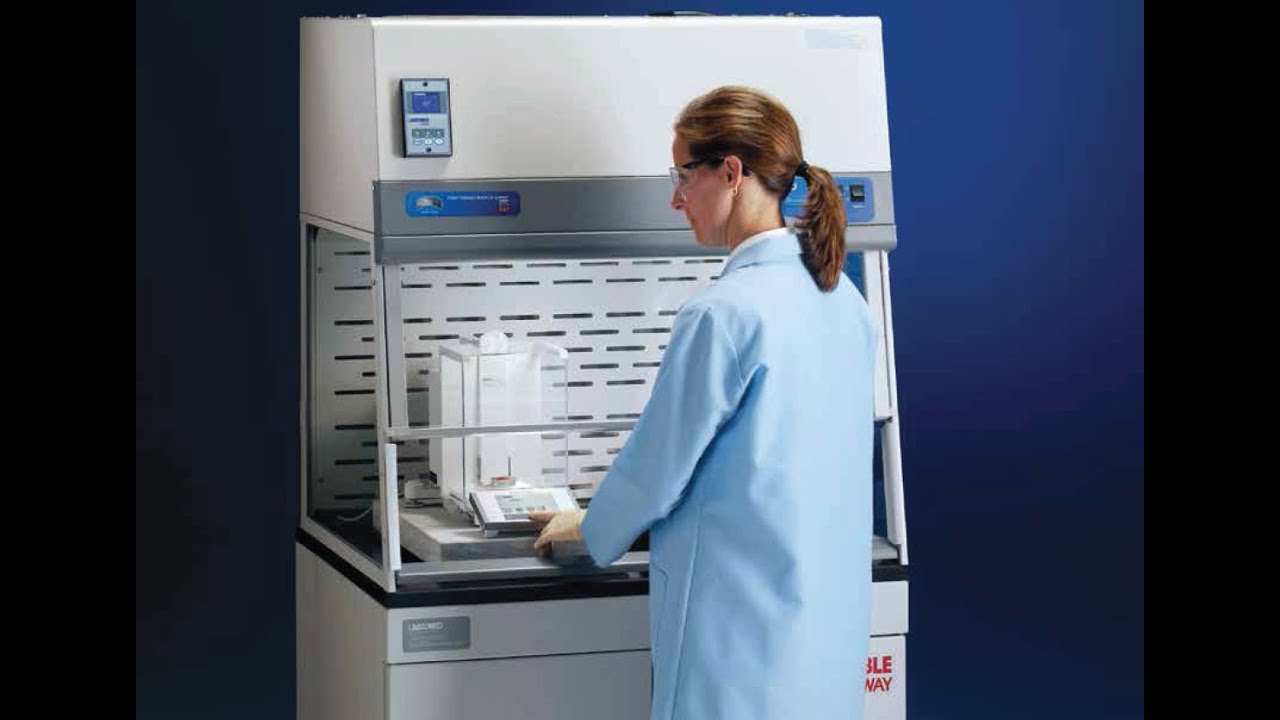
If you have ever stepped into a laboratory, you have likely seen a fume hood. It is a large, boxy enclosure with a sliding glass window. A fume hood is a critical piece of safety equipment in any lab. Think of it as a specialized exhaust system designed to create a safe work area for handling hazardous materials.
A fume hood serves as the primary defense against inhaling dangerous fumes, vapors, and dust. By pulling contaminated air away from the user and safely venting it, it prevents harmful substances from escaping into the lab environment.
Fume Hoods Explained
What It Is: A fume hood is a ventilated enclosure that protects lab workers from hazardous fumes, vapors, and dust.
How It Works: It pulls contaminated air from the work area and either vents it outside (ducted) or cleans it with filters (ductless).
Why It’s Important: It prevents inhalation of toxic substances, contains spills, and shields users from minor chemical reactions.
Key Types: The main options are ducted hoods, which vent air outdoors, and ductless hoods, which filter and recirculate air.
Core Safety Rule: Always work with the sash at the lowest practical height to ensure maximum protection and proper airflow.
What Is the Purpose of a Fume Hood?
A laboratory fume hood is an engineering control built to contain and remove airborne contaminants. Its main function is to protect the user from breathing in toxic materials. It also helps keep those substances from spreading into the general lab environment. A fume hood is a key part of a comprehensive safety plan for any laboratory and fits into the broader safety supplies needed for a secure workplace.
The effectiveness of a fume hood lies in its ability to maintain a constant, inward flow of air. This airflow captures any hazardous fumes generated on the work surface and pulls them away from the user’s breathing zone. From there, the contaminated air is either vented safely outside the building or filtered and recirculated.
Core Functions and Benefits
The main goal of a fume hood is to minimize chemical exposure. A properly functioning hood achieves this through several key actions:
User Protection: It creates a physical barrier between the lab worker and chemical fumes, vapors, or dust.
Spill Containment: The enclosed design and dished work surface help contain minor spills, keeping them from spreading across the lab bench.
Explosion Protection: The glass window, called the sash, is often made of safety glass and can shield users from splashes or minor reactions.
Environmental Control: By capturing contaminants at the source, it prevents harmful substances from entering the shared lab air.
How a Fume Hood Creates a Zone of Safety
A fume hood is an engineered system where every component has a specific job. While designs vary, most models share essential parts that work together to create a safe environment.
The Key Parts That Make It Work
Hood Body: The main structure that encloses the work area.
Sash: A movable window, usually vertical or horizontal, that acts as a physical barrier.
Baffles: Panels at the back of the hood that create smooth, even airflow and eliminate dead spots where fumes could collect.
Airfoil: An angled piece at the front edge that helps air flow smoothly into the hood with minimal turbulence.
Exhaust Duct and Blower: The system that pulls air out of the hood and vents it away from the lab.
These parts work together to achieve a specific face velocity, which is the speed of air moving into the hood opening. This steady draft, typically maintained between 80 and 120 feet per minute, is what draws contaminants into the hood and safely into the exhaust duct. The position of the sash directly affects face velocity, which is why proper use is critical for fume hood safety.
The Main Types of Fume Hoods
Laboratory work varies, and so do fume hoods. Selecting the right type is essential for safety and compliance. The first major decision is choosing between a ducted or ductless model.
Ducted Fume Hoods
A ducted fume hood is connected to a building’s HVAC system and vents contaminated air directly outside. These units are the standard solution for labs that handle a wide or unpredictable variety of chemicals. They can safely remove almost any airborne contaminant generated within them. A common example is the bench top fume hood.
Ductless Fume Hoods
A ductless fume hood is a self-contained air purification system. Also known as recirculating hoods, these units draw contaminated air through carbon and HEPA filters. The filtered, clean air is then returned to the lab. They are useful when installing ductwork is not feasible. They are also a good fit for work involving a known, specific set of chemicals that the filters can effectively capture.
Comparison of Ducted vs. Ductless Fume Hoods
Feature
Ducted Fume Hood
Ductless (Recirculating) Fume Hood
Airflow Path
Vents contaminated air outside the building
Filters air and returns it to the room
Chemical Use
Suitable for a broad, unknown range of chemicals
Best for a known, specific set of chemicals
Installation
Requires ductwork, more complex installation
Simpler installation, no ductwork needed
Mobility
Fixed in place once installed
Often mobile and can be moved easily
Operating Costs
Higher energy costs (HVAC); lower filter costs
Lower energy costs; requires regular filter replacement
Best For
Heavy chemical use, research, diverse applications
Light-duty work, labs with no duct access, teaching labs
Ducted hoods offer the broadest protection. In contrast, ductless hoods provide flexibility and are ideal for targeted applications where mobility and easy installation are priorities.
Specialized Fume Hoods
Beyond the two main categories, specialized hoods exist for specific tasks.
Walk-In Fume Hoods: Large, floor-mounted units for bulky equipment.
Powder Containment Hoods: Designed with low airflow to avoid disturbing fine powders.
Canopy Hoods: Hang over an area to capture non-hazardous fumes like steam or heat.
How to Choose the Right Fume Hood
Selecting the right fume hood requires a careful analysis of your lab’s specific needs. A poor choice can compromise safety and lead to unnecessary costs. This checklist will guide you through the process of selecting from various chemical fume hoods.
A 5-Step Checklist for Selecting a Fume Hood
Assess Your Chemical Use:
List all chemicals you will use inside the hood.
Note their toxicity, volatility, and quantity.
For a wide, changing range of chemicals, a ducted hood is usually necessary. For a small, consistent list of low-toxicity chemicals, a ductless hood might be an option.
Evaluate Your Facility and Infrastructure:
Can your building accommodate new ductwork?
Is your HVAC system capable of handling the air volume a ducted hood will exhaust?
If ducting is not possible or is too expensive, a ductless hood is the logical alternative.
Determine the Required Size and Type:
What size of equipment needs to fit inside the hood?
Will procedures require a standard benchtop model, a large walk-in hood, or another specialized type?
Consider both current and future needs to avoid selecting a hood that is too small.
Consider Long-Term Operating Costs:
Ducted hoods have higher energy costs due to the constant exhausting of conditioned air.
Ductless hoods have ongoing filter replacement costs.
Calculate the total cost of ownership for both options over a 5 to 10-year period.
Review Safety and Compliance Standards:
Check with your organization’s Environmental Health and Safety (EHS) department.
Ensure the selected hood meets all relevant standards, such as ASHRAE 110.
Confirm the chosen model provides adequate protection for the specific hazards present in your lab.
5 Use-Case Scenarios for Fume Hood Selection
University Chemistry Lab: A teaching lab uses small amounts of various common solvents. A ductless fume hood is a good choice because it offers flexibility, is easy to install in older buildings, and can handle the specific, known chemicals used in a curriculum.
Pharmaceutical Research Lab: This lab synthesizes new, unknown compounds with high toxicity. A ducted, high-performance fume hood is essential to provide the highest level of protection against unpredictable hazards.
Industrial Quality Control Lab: Technicians perform repetitive acid digestion procedures. A ducted hood with an acid-resistant liner (like PVC or polypropylene) is necessary to withstand the corrosive environment.
Mobile Environmental Testing Unit: A lab in a trailer needs to analyze air samples on-site. A portable, ductless fume hood is the only practical option, providing necessary containment without requiring permanent infrastructure.
Histology Lab: Technicians work with formalin and xylene. A ducted hood is the safest choice to continuously remove these hazardous fumes from the workspace. A flexible exhaust snorkel could also be used for smaller, targeted tasks.
Best Practices for Fume Hood Safety
A fume hood is only as safe as the person using it. Following proper procedures is essential for the hood to work as designed. Adhering to a few key rules can prevent accidents and protect the team from chemical exposure.
First, always keep the sash at the lowest possible working height. A mark from the manufacturer usually indicates this level. This simple step maximizes the hood’s containment ability and provides a physical shield.
Second, consider airflow when setting up equipment. Do not crowd items inside the hood. Large objects should be placed on blocks at least six inches away from the back baffle to allow air to move freely. Never use the hood for chemical storage, as this obstructs airflow and introduces unnecessary hazards.
Conclusion
A fume hood is more than just a piece of lab equipment. It is the most important engineering control for protecting your team from airborne chemical hazards. Understanding what a fume hood is, how it works, and the different types available is the first step toward creating a safer workspace.
Its effectiveness depends on choosing the right model for your applications, using it correctly, and following a consistent maintenance schedule. By following established safety standards, you ensure this vital equipment provides the protection your team relies on.
Ready to improve your lab’s safety and efficiency? Compare our complete range of fume hood options. If you need assistance, our specialists are here to help you plan the perfect lab layout.
Frequently Asked Questions (FAQs)
Here are answers to some of the most common questions we receive about fume hoods.
1. What is the difference between a fume hood and a biosafety cabinet?
A fume hood protects the user from chemical fumes. A biosafety cabinet protects the user, the environment, and the sample from biological contaminants. Fume hoods vent air out, while biosafety cabinets use HEPA filters to clean the air and often recirculate it in a specific pattern to create a sterile work area.
2. What is face velocity and why is it important?
Face velocity is the speed at which air is pulled into the opening of the fume hood. It is important because it creates the air barrier that contains fumes. If the velocity is too low, contaminants can escape. If it is too high, it can create turbulence that also allows fumes to escape.
3. How often should a fume hood be certified?
Fume hoods should be tested and certified at least once a year. Certification should also occur after installation, relocation, or major repairs. This testing, often following the ASHRAE 110 standard, confirms the hood is providing adequate protection. Always consult local regulations and your EHS department.
4. Can I use a standard fume hood for handling fine powders?
It is generally not recommended. Standard fume hoods create airflow that can disturb fine powders, making them airborne. A specialized powder containment hood, or balance enclosure, is designed with gentle airflow to keep powders contained on the work surface.
5. Why should I not store chemicals in a fume hood?
Storing chemicals, especially in large quantities, inside a fume hood disrupts proper airflow. This can create dead spots where fumes are not captured effectively. It also increases the risk of spills and reactions and clutters the workspace. Chemicals should be stored in appropriate safety cabinets.
6. What maintenance does a fume hood require?
Regular maintenance includes daily visual checks, cleaning spills immediately, and ensuring the sash moves smoothly. Annual certification by a qualified technician is also required to test airflow and check mechanical parts. For ductless hoods, a strict filter monitoring and replacement schedule is critical.
7. What does VAV mean in a fume hood?
VAV stands for Variable Air Volume. A VAV fume hood system automatically adjusts the amount of air it exhausts to maintain a constant face velocity as the sash is raised or lowered. This makes it more energy-efficient than a Constant Air Volume (CAV) system, which exhausts the same amount of air regardless of sash position.
A vertical laminar flow hood creates a sterile workspace. It bathes the work area in a continuous stream of clean air. This process protects sensitive samples from airborne contaminants. It is like an invisible shower of pure air flowing down onto the work surface.
TL;DR: Key Facts About Vertical Laminar Flow Hoods
What It Is: A clean bench that uses filtered air to make a sterile work zone. It protects the items on the work surface.
What It Does NOT Do: It does not protect the user from the materials being handled.
Who Uses It: Technicians in microbiology, cell culture labs, sterile compounding, and electronics assembly.
Main Benefit: It provides a high degree of product purity and prevents sample cross-contamination.
Critical Safety Note: Never use it for hazardous, infectious, or volatile chemical work.
Understanding the Vertical Laminar Flow Hood
Alt text: A gloved hand pipetting green liquid into a petri dish inside a sterile vertical laminar flow hood.
A vertical laminar flow hood is a special enclosure. It is designed to create a particle-free environment for non-hazardous tasks. It works through a simple but effective process. A blower pulls in room air to start.
Next, the air is forced through a high-efficiency particulate air (HEPA) filter. These filters are very effective. They capture 99.99% of particles as small as 0.3 microns. This clean air then flows straight down in a uniform curtain. This is called "laminar flow." It covers the entire work area.
This constant downward pressure of clean air does two things. First, it acts as a barrier, stopping room contaminants from entering the workspace. Second, it sweeps away any particles generated by your procedure. This ensures your process stays clean.
This focus on product protection makes it a vital tool in many fields. But it is important to remember its limits. For equipment that protects the user from hazardous materials, you would need a laboratory fume hood. A fume hood operates on a different principle.
The design is simple and effective. Since the air flows from top to bottom, you can place larger equipment inside the hood without blocking the sterile field. The air just flows around it. This makes it a flexible choice for tasks where preventing contamination is the top priority.
How Vertical Airflow Creates a Sterile Environment
A vertical laminar flow hood uses a controlled stream of air to make a clean workspace. Think of it like a smooth waterfall flowing from the top of the unit to the work surface. This constant, gentle downward flow is the key to protecting your work from contamination.
Alt text: A diagram showing the downward airflow pattern inside a vertical laminar flow hood where a scientist works with cell cultures.
The process starts when a blower motor sucks in room air at the top of the hood. Before this air goes further, it passes through a pre-filter. This filter catches larger particles like dust and hair. This step is important for protecting the main filter and making it last longer.
From there, the air is pushed into a chamber called the plenum. The plenum spreads the air evenly across the main filter. This ensures the pressure and speed are consistent. This uniformity makes true laminar flow possible.
The Role of the HEPA Filter
At the center of every laminar flow hood is the HEPA filter. HEPA stands for High-Efficiency Particulate Air. It is a dense mat of fine fibers designed to trap tiny particles.
A true HEPA filter is very effective. It is rated to remove at least 99.99% of airborne particles down to 0.3 microns in size. This particle size is the industry standard for testing because it is one of the hardest sizes for a filter to catch.
This level of filtration means the air coming out of the filter is nearly free of bacteria, spores, and other small contaminants. When you perform tasks that need total sterility, like preparing a sterile vial, this clean environment is necessary.
How the Components Work Together
Each part inside a vertical laminar flow hood has a specific job to keep the sterile field clean.
Blower Motor: This is the engine. It pulls in room air and pushes it through the filters at a steady rate.
Pre-filter: This is the first line of defense. It grabs large particles and keeps the HEPA filter from clogging quickly.
Plenum: This chamber equalizes the air. It spreads air evenly over the HEPA filter surface.
HEPA Filter: This is the most important part. It removes microscopic contaminants to create sterile air.
Work Surface: This is where the clean air finishes its journey. The air flows down onto this surface before exiting the front of the hood.
This system produces the steady, clean air needed for microbiology, pharmaceutical compounding, and electronics assembly. Keeping controlled spaces like this is the purpose of facilities such as modular cleanrooms.
Comparing Vertical Flow Hoods and Other Cabinets
Alt text: Two laboratory cabinets, one a vertical laminar flow hood, in a modern lab setting.
Choosing the right cabinet for your lab is important. It affects safety, results, and your budget. People often use terms like "flow hood" and "biosafety cabinet" interchangeably, but they are very different.
A vertical laminar flow hood has one main job: product protection. It is all about keeping non-hazardous samples sterile. It is not a substitute for a biological safety cabinet.
Vertical Flow Versus Horizontal Flow
The most common point of confusion is between vertical and horizontal laminar flow hoods. Both use HEPA-filtered air to create a clean work area. The direction of the airflow changes how you use them.
Vertical Flow: Air flows down from a filter at the top. It passes over the work surface and exits out the front. This top-down path is useful because larger items do not easily block it. It also pushes nuisance aerosols down and away from the user's face.
Horizontal Flow: Air comes from a filter at the back. It blows across the work surface and directly at the user. This can be good for small electronics assembly. However, it offers no operator protection.
For cell culture or sterile compounding, vertical flow is usually the better choice.
How Do They Compare to Biological Safety Cabinets?
This is the most critical difference. A vertical flow hood protects the product. A biological safety cabinet (BSC) protects the user, the environment, AND the product.
You should only work with infectious agents or other biohazards inside a BSC. These units use HEPA filters on both the intake and exhaust air to keep everything safe. You can learn more about the biological safety cabinet vs fume hood to understand their roles.
Warning: Never use a vertical laminar flow hood for biohazardous, infectious, or volatile chemical work. It blows air toward the user, which would expose them to harmful agents.
Equipment Comparison Table
This table shows the core functions for the three main types of clean air cabinets.
Feature
Vertical Laminar Flow Hood
Horizontal Laminar Flow Hood
Class II Biological Safety Cabinet
Primary Protection
Product
Product
User, Product, and Environment
Airflow Pattern
Top-to-bottom, exits at front
Back-to-front, exits at front
Downward, with front air curtain; exhaust is HEPA-filtered
Use with Hazards
No
No
Yes (for biological agents)
Typical Use Cases
Sterile compounding, cell culture, media prep, electronics
Non-hazardous IV prep, optics assembly, sterile parts
Work with bacteria, viruses, and pathogenic agents
Knowing these differences helps you equip your lab correctly. With demand for specialized lab equipment growing, planning ahead and getting specifications right the first time helps avoid project delays.
Key Applications and Decision Scenarios
Alt text: Scientists in a modern lab using a vertical laminar flow hood for research experiments.
A vertical laminar flow hood is essential when your process cannot tolerate contamination. Its downward flow of HEPA-filtered air creates a clean workspace. This makes it a key technology in several industries.
Use Case 1: Pharmaceutical Compounding
A pharmacy needs to prepare sterile IV solutions according to USP 797 standards. Contamination could harm a patient. The vertical laminar flow hood provides an ISO Class 5 environment, bathing the work area in sterile air and preventing microbes from entering the IV bags.
Use Case 2: Mycology and Mushroom Cultivation
A mycology lab works with fungal spores and agar plates. Cross-contamination between different mushroom strains can ruin experiments. The downward airflow of the hood continuously sweeps away airborne spores, ensuring each culture remains pure.
Use Case 3: Medical Device Assembly
A company assembles sensitive pacemakers. A single dust particle could cause the device to fail. They use a vertical laminar flow hood to create a particle-free zone, ensuring the electronic components remain perfectly clean during assembly.
Use Case 4: Plant Tissue Culture
An agricultural research lab clones plant species from small tissue samples. Bacteria or fungi can easily infect and kill the delicate plantlets. The hood provides a sterile environment for transferring the tissues between containers, improving success rates.
Use Case 5: Electronics and Semiconductor Work
A tech firm inspects semiconductor wafers for defects. Microscopic dust can be mistaken for a flaw, leading to costly errors. The clean bench provides a workspace free of airborne particles, allowing for accurate quality control.
How to Choose the Right Vertical Laminar Flow Hood
Choosing a new vertical laminar flow hood is an important decision. A good choice ensures process integrity for years. A bad choice can lead to workflow problems or costly mistakes.
This five-step checklist will help you match the right hood to your lab's needs.
1. Define Your Application Needs
First, what will you do in the hood? Different tasks require different levels of sterility.
Ask yourself these key questions:
What materials will I work with? (e.g., liquids, powders, solid parts)
What is the main goal? (e.g., prevent cross-contamination, protect a sterile product)
Do I need to meet specific standards? (e.g., USP 797 for compounding)
Answering these questions will guide your other decisions.
2. Determine the Right Size
Size is a balance between having enough work area and not taking up too much lab space. A common mistake is choosing a hood that is too small. This can lead to a cramped workspace where you might block the airflow.
Measure the equipment you will use inside the hood. Think about how your hands will need to move. Common widths are 3, 4, 5, and 6 feet. Also check the external dimensions to ensure it will fit in your lab.
3. Select Construction Materials
The hood's material affects its lifespan, chemical resistance, and ease of cleaning. The two most common options are powder-coated steel and stainless steel.
Material
Best For
Key Advantages
Considerations
Powder-Coated Steel
General research, electronics assembly, dry applications
Economical, durable finish
Can scratch, not for harsh chemicals
Stainless Steel (Type 304/316)
Pharmaceutical compounding, wet processes
Excellent chemical resistance, easy to sterilize
Higher upfront cost
For most lab work, powder-coated steel is a good choice. If you use harsh sterilizing agents, stainless steel is a better long-term investment. Choosing the right laboratory work surfaces is also critical.
4. Evaluate Technical Specifications
Next, look at the technical details. The most important specification is the filter.
HEPA Filters: This is the industry standard. HEPA filters remove 99.99% of particles down to 0.3 microns. This is suitable for most lab applications.
ULPA Filters: For an even higher level of filtration, ULPA filters remove 99.999% of particles at 0.12 microns. These are for ultra-sensitive work like semiconductor manufacturing.
Another key spec is face velocity. This is the speed of the air coming out of the hood. Most units run between 90 and 100 feet per minute (FPM). This speed creates a protective barrier without causing turbulence.
5. Consider Essential Accessories
Finally, think about add-ons that can improve your workflow.
Common accessories include:
UV Germicidal Light: To sterilize the work surface between uses.
Service Fixtures: Factory-installed ports for gas, air, or vacuum lines.
IV Bar: A stainless steel bar for hanging IV bags in pharmacies.
Ergonomic Stand: Puts the hood at the correct working height and can add storage.
Planning for these accessories early helps secure a better timeline for delivery and installation. This ensures you get the setup you need without delays.
Installation, Validation, and Maintenance
Proper care of your vertical laminar flow hood is about more than just protecting your equipment. It is about ensuring your work is reliable. A smart approach to setup and upkeep guarantees your unit will perform well for years.
Initial Installation and Placement
First, find the right spot in your lab. Where you place the hood affects how well it works. Keep it away from high-traffic areas, doors, windows, and HVAC vents. Even a small draft can disrupt the sterile airflow.
When setting it up, make sure the hood is on a level, solid surface. Also check that the electrical supply matches the unit's needs. You can find this on the manufacturer's data plate.
Validation and Certification
After installation, your vertical laminar flow hood must be validated. This proves it meets operational standards. This step is not optional, especially in regulated fields like pharmaceutical compounding.
Validation is usually done by a qualified technician. They run a few key tests:
Airflow Velocity Test: Checks if the air speed from the HEPA filter is between 90 and 100 feet per minute.
HEPA Filter Integrity Test: This leak test uses an aerosol to scan the filter for any small holes or damage.
Particle Count Test: Confirms the air inside the work area meets standards like ISO Class 5.
This certification should happen after installation, anytime the hood is moved, and at least once a year.
Routine Cleaning and Maintenance
Daily cleaning is vital to stop contamination. Your lab needs clear cleaning protocols. Use appropriate cleaners like 70% isopropyl alcohol and lint-free wipes.
A good rule is to clean from the cleanest areas to the dirtiest. Start with the ceiling, then the side walls, and finish with the work surface. This prevents spreading contaminants.
Long-term care is also important. The pre-filter catches larger dust particles. Check it regularly and replace it every three to six months. A clogged pre-filter makes the motor work harder and can shorten the life of the HEPA filter. Understanding these procedures is part of good fume hood safety. HEPA filters last for years, but they will eventually need to be replaced by a certified technician.
Frequently Asked Questions
Getting the specs right for a vertical laminar flow hood can raise a few questions. Here are answers to common questions to help you choose the right equipment.
1. Does this hood protect the person using it?
No. A standard vertical laminar flow hood is designed for product protection, not user protection. The airflow pushes out the front, directly toward the operator. If you work with hazardous materials, this would expose you to them. For user protection from biological agents, you need a Class II Biological Safety Cabinet.
2. How often do HEPA filters need replacement?
The life of a HEPA filter depends on your lab's environment and how often you use the hood. It is not based on a set schedule. A certified technician will tell you when the filter is too loaded to maintain the required airflow of 90 feet per minute. To extend the life of the main HEPA filter, replace the cheaper pre-filter every 3 to 6 months.
3. What is the difference between a laminar flow hood and a fume hood?
They are opposites. A laminar flow hood protects what is inside the hood by bathing it in clean air. A chemical fume hood protects the user from what is inside the hood. It pulls hazardous fumes away from the user and exhausts them outside. Never use a laminar flow hood for work with volatile chemicals.
4. Can I use a vertical flow hood for hazardous materials?
No. Vertical laminar flow hoods are only for non-hazardous applications where the goal is to keep the product sterile. This means no biohazards, infectious agents, potent powders, or volatile chemicals. The unit provides zero user protection from these materials.
5. What are the typical electrical requirements?
Most standard-sized vertical laminar flow hoods run on a dedicated 115V/60Hz circuit. Larger models or units with extra features might require a 230V connection. Always check the electrical specs for your specific model and plan for a dedicated outlet.
6. How can I confirm my hood is working correctly?
The only way to know for sure is through professional certification. A qualified technician will test the airflow velocity and check the HEPA filter for leaks. This validation should be done after installation, at least once a year, and any time the unit is moved.
7. What is the difference between an ISO 5 and an ISO 7 environment?
ISO 5 is a very clean classification, allowing no more than 3,520 particles (0.5 microns or larger) per cubic meter of air. A vertical laminar flow hood creates an ISO 5 work zone. ISO 7 is a less stringent cleanroom classification, often used for the room surrounding an ISO 5 area. It allows up to 352,000 particles per cubic meter.
8. Is a UV light necessary?
A UV light is not required but is a useful accessory. It can sterilize the work surfaces between procedures, killing lingering bacteria or mold. However, it is only a surface sterilant and does not replace regular manual cleaning with disinfectants like 70% isopropyl alcohol.
Take the Next Step
Planning your laboratory setup requires careful consideration of equipment that meets both current and future needs. With project timelines for specialized equipment often extending, initiating the planning process sooner allows for more thorough design and helps avoid potential delays.
Compare Vertical Laminar Flow Hoods Explore our range of clean benches to find the right size and specifications for your application.
Request a Quote Contact our specialists at 801-855-8560 or Sales@Labs-USA.com to discuss your needs and get a detailed quote.
Biological safety cabinet certification isn't just a box to check—it's a critical series of tests that verifies your equipment is actually protecting your people, your product, and the lab environment from hazardous materials.
Think of it like a rigorous pre-flight inspection for a plane. It’s a non-negotiable step to make sure every single safety system is dialed in and working perfectly before you start any critical work.
What Is BSC Certification and Why Is It Essential?
At its heart, BSC certification is an independent, third-party validation confirming your cabinet operates according to the strict manufacturing and safety standards it was designed for. It’s not just about getting a sticker for the front of the unit; it’s a detailed performance evaluation from top to bottom.
This process is what proves the cabinet's complex system of airflow and filtration is doing its job to create a safe work zone. Without this verification, a BSC is really just a box with a fan, offering a false—and dangerous—sense of security.
The Three Pillars of Protection
Certification is specifically designed to confirm the three fundamental pillars of protection that a BSC is built to deliver. Each one is absolutely vital for keeping a laboratory safe and effective.
Personnel Protection: This test ensures the inward flow of air (the "inflow") creates a strong enough air curtain to prevent any hazardous aerosols generated inside the cabinet from escaping and being inhaled by the person working there.
Product Protection: For Class II BSCs, this confirms that sterile, HEPA-filtered downflow air is bathing the work surface, preventing airborne contaminants from the lab from ruining your samples, experiments, or cell cultures.
Environmental Protection: Before any air is pushed out of the cabinet and back into the lab (or vented outside), it has to go through a HEPA filter. Certification verifies this filter is installed correctly, has no leaks, and is efficiently capturing any dangerous particles.
A biological safety cabinet is the single most important piece of primary containment equipment in a modern lab. Certification ensures it lives up to that responsibility, protecting researchers from laboratory-acquired infections and preserving the integrity of their work.
More Than Just a Compliance Requirement
While certification is definitely a regulatory requirement, its real value is in mitigating risk and ensuring data integrity. An uncertified or out-of-spec cabinet can easily lead to contaminated research. That means invalid or non-reproducible results, which wastes incredible amounts of time, money, and resources.
Even more importantly, it poses a direct threat to your staff. The demand for properly verified and reliable biosafety equipment is only growing as global investments in R&D expand. The global market for biological safety cabinets was valued at around USD 230.56 million in 2024 and is expected to grow by about 6.65% annually through 2033, largely driven by these stringent safety mandates. You can explore market trends to see just how critical certified BSCs have become.
Ultimately, annual biological safety cabinet certification is the cornerstone of any functional lab safety program. It gives you the documented proof that your primary engineering controls are performing exactly as they should, creating a secure environment where science can move forward safely.
Understanding Key Biosafety Standards and Regulations
To really get a handle on biological safety cabinet certification, you have to know the rules of the road. These aren't just suggestions someone dreamed up; they're meticulously developed frameworks that ensure every single cabinet, no matter who made it or where it’s located, meets a universal benchmark for safety and performance. Without them, you’d have no reliable way to know if your BSC is actually protecting your people.
Think of it like the building codes for a skyscraper. Those codes guarantee the structure can handle specific stresses, giving everyone inside a solid, reliable safety standard. In the lab, biosafety standards do the exact same thing for your most critical piece of containment gear.
The Gold Standard: NSF/ANSI 49
Here in North America, the main playbook everyone follows for BSC certification is NSF/ANSI 49. This document is the bible for the design, construction, performance, and field testing of Class II biological safety cabinets. It lays out the precise procedures and what counts as a "pass" for every test a certifier runs, from checking airflow velocities to making sure the HEPA filters are intact.
When a technician comes out to certify your BSC, what they're really doing is running through the series of tests laid out in this standard. It creates a level playing field, so a "certified" cabinet in a California lab has to meet the same tough safety criteria as one in a lab in New York. That consistency is what lets labs everywhere trust that their equipment is providing real protection.
This strong regulatory framework is a big reason the biosafety cabinet market is so robust. In 2023, North America accounted for about 40.5% of the global market, a lead built on strict enforcement by agencies like the CDC and OSHA. Mandates from groups like the American Biological Safety Association also keep the demand for certified BSCs high, pushing labs to meet these critical standards. You can dive deeper into the full market analysis on biosafety cabinet trends for more details.
Following NSF/ANSI 49 isn’t just about checking a box for compliance. It’s about adopting a nationally recognized protocol that proves your cabinet can protect your team, your work, and the environment from hazardous biological agents.
The Role of Regulatory and Advisory Bodies
While NSF/ANSI 49 gives us the "how-to" for certification, several government agencies define the "why" and "when." They lean on these standards to enforce workplace safety and public health rules.
Occupational Safety and Health Administration (OSHA): OSHA’s world revolves around worker safety. Under its General Duty Clause, employers are required to provide a workplace that’s free from known hazards. When you're working with biohazards, a properly certified and functioning BSC is a primary engineering control you need to meet that requirement.
Centers for Disease Control and Prevention (CDC) & National Institutes of Health (NIH): Together, these agencies publish the "Biosafety in Microbiological and Biomedical Laboratories" (BMBL), which is the cornerstone of biosafety practices in the U.S. The BMBL defines the four Biosafety Levels (BSLs) and spells out which level of containment—including the use of certified BSCs—is necessary for handling different types of pathogens.
For example, any work with agents at BSL-2 or higher flat-out requires the use of a certified BSC. These regulations create a direct line between the specific biological risks of your research and the equipment you must use to do it safely. Staying on top of this ensures a contained experiment doesn't become a public health issue, keeps your facility audit-ready, and most importantly, keeps your team safe.
The Certification Process: A Step-by-Step Breakdown
When a certified technician shows up at your facility, they aren't just there to slap a new sticker on your cabinet. They're about to perform a highly detailed sequence of diagnostic tests, with each one designed to verify a specific, critical function of your biological safety cabinet. Knowing what's happening demystifies the whole process and shows you the real value behind that certification label.
Think of it as a comprehensive physical for your most important piece of safety equipment. The certifier acts like a specialist, running a battery of non-invasive tests to make sure every system is working perfectly—from its "breathing" (airflow) to its "immune system" (filtration). This multi-point inspection, guided by the NSF/ANSI 49 standard, is what provides the documented proof that your cabinet is safe.
H3: Core Airflow and Velocity Tests
First things first, the technician will focus on the movement of air. This is the entire mechanism that provides protection in a BSC. At its core, a biosafety cabinet is just a sophisticated box that uses precise air currents to create invisible barriers. These initial tests make sure those barriers are strong, stable, and doing their job.
Using a calibrated thermoanemometer—a highly sensitive instrument that measures air speed—the technician performs two fundamental checks:
Inflow Velocity Test: This measures the speed of the air being pulled into the front of the cabinet. This inward flow is what creates the protective air curtain that stops hazardous aerosols from escaping the work area and reaching you. If the inflow is too low, you lose containment. If it's too high, it can throw off the sterile environment inside.
Downflow Velocity Test: This test checks the speed and uniformity of the HEPA-filtered air moving down over the work surface. This clean "air shower" provides product protection, preventing contaminants from the lab from ruining your samples. The tech takes readings at multiple points to ensure the downflow is consistent everywhere, with no dead spots.
These airflow measurements are the absolute bedrock of biological safety cabinet certification. If the inflow and downflow aren't right, none of the other safety features can work the way they're supposed to.
H3: Verifying Filter Integrity
Once the airflow checks out, the focus shifts to the heart and soul of the BSC: the HEPA filters. These filters are engineered to capture an incredible 99.99% of particles at 0.3 microns, but that efficiency means nothing if the filter is damaged or isn't sealed properly in its housing.
To verify this, the technician performs a HEPA filter leak test. They introduce a uniform concentration of microscopic aerosol particles, usually PAO (polyalphaolefin), on the "dirty" side of the filter. Then, they use a specialized tool called a photometer to scan the entire "clean" face of the filter and all around its seals.
Any reading that exceeds 0.01% of the upstream concentration signals a leak. This test is so sensitive it can find microscopic pinholes in the filter media or tiny gaps in the gasket—flaws that are completely invisible but big enough for dangerous microbes to sneak through.
H3: Visualizing Airflow Patterns
The final piece of the puzzle is to visually confirm that the air is moving exactly as it should. Numbers from an anemometer are essential, but seeing the airflow with your own eyes ensures there are no weird quirks or turbulent spots. For this, the technician uses a smoke generator for a smoke pattern visualization test.
By introducing small wisps of non-toxic smoke at key locations, the certifier can actually see the invisible air barriers at work. They'll confirm that:
Air from the lab is drawn smoothly into the front grille without rolling back out.
The downflow air moves straight down in a uniform pattern with no turbulence.
No smoke from inside the cabinet escapes through the front opening.
This test is a simple, intuitive way to get clear proof that the cabinet is containing its workspace properly. It’s the ultimate confirmation that all the systems are working together to keep you and your work safe.
To wrap it up, these are the essential field tests that form the core of any legitimate BSC certification. The table below gives a quick overview of what each one does and what a "pass" looks like according to the NSF/ANSI 49 standards.
Core Tests in Biological Safety Cabinet Certification
Test Name
Purpose of the Test
Common Acceptance Criteria
Inflow Velocity
To verify personnel protection by ensuring a stable air barrier at the front opening.
Typically 100-105 feet per minute (FPM) for most Class II Type A2 cabinets.
Downflow Velocity
To verify product protection by ensuring uniform, sterile air over the work area.
Must be within 20% of the average velocity reading across the entire work surface.
HEPA Filter Leak Test
To ensure no particulate contamination is bypassing the supply or exhaust filters.
Leakage must not exceed 0.01% of the upstream aerosol concentration.
Smoke Pattern Test
To visually confirm airflow patterns and containment at the cabinet's front opening.
Smoke should be drawn into the cabinet smoothly without escaping into the room.
A successful certification from a trusted provider like Labs USA means that every one of these critical parameters has been tested and met, giving you documented confidence in your lab’s safety and compliance.
How to Prepare Your Lab for Certification
A smooth biological safety cabinet certification really comes down to one thing: preparation. Taking a few simple, proactive steps before the certifier walks through your door doesn't just make the process faster; it dramatically boosts your chances of passing on the first try. That saves you a ton of time and, of course, money.
Think of it like setting the stage before a big performance. When the environment is right and the equipment is ready, you're helping the certifier conduct accurate tests without any interference. The result is a true, reliable assessment of your cabinet's ability to keep everyone safe.
Clearing the Workspace for Accurate Readings
The very first thing you need to do—and honestly, the most critical—is to completely clear out the inside of the cabinet. We mean everything: pipettes, tube racks, waste bins, and any other supplies sitting on the work surface. I can't tell you how many times we've seen a perfectly good cabinet fail simply because of a cluttered workspace.
Every single object inside the cabinet creates turbulence, messing with that delicate curtain of air that’s supposed to protect both the user and the product. These little disruptions are enough to cause a cabinet to fail its velocity tests. When you clear the area, the technician measures the cabinet’s true performance, not the chaotic airflow created by clutter. An organized lab helps tremendously here; using dedicated lab shelving units with bins for supplies makes it easy to keep these critical areas clear.
A clean, empty cabinet is the foundation of a successful certification. It eliminates airflow variables, allowing the certifier to get a true baseline reading of the cabinet’s performance as designed by the manufacturer.
Decontamination and Pre-Run Procedures
Proper decontamination isn't optional, especially if your cabinet is used for anything at Biosafety Level 2 (BSL-2) or higher. Before the certifier shows up, give all interior surfaces a thorough wipe-down with an appropriate disinfectant, like 70% ethanol. This ensures a safe testing environment for the technician.
Once it's clean, you need to let the cabinet's blower run for at least 30 minutes before the appointment. This pre-run period lets the internal airflow patterns stabilize and allows the motor to get up to its normal operating temperature. It’s a simple step, but it prevents readings from fluctuating during the test—something that could easily trigger a false failure.
An Actionable Pre-Certification Checklist
Want to make sure certification day goes off without a hitch? Just run through this quick checklist. Each of these steps is designed to head off a common point of failure before it even becomes a problem.
Empty the Cabinet: Take absolutely everything off the work surface and out of the interior.
Clean and Decontaminate: Wipe down all inside surfaces following your lab’s established safety protocols.
Power On Early: Flip on the cabinet's blower at least 30 minutes before the technician is scheduled to arrive.
Confirm Sash Height: Make sure the sliding sash is positioned at its correct, certified working height.
Minimize Lab Traffic: Keep people from walking past the cabinet and limit how often nearby doors are opened and closed during testing. This prevents drafts from throwing off the sensitive airflow measurements.
By following these guidelines, you create the ideal testing environment. This proactive approach not only helps your certifier work more efficiently but also ensures the final report is an accurate reflection of your cabinet’s ability to protect your team and your research.
Common Certification Failures and How to Fix Them
Even in the best-run labs, a biological safety cabinet certification can hit a snag. A failed test isn't an indictment of your lab's practices; think of it as a critical data point telling you that a key safety barrier isn't performing as designed. Understanding why failures happen helps you shift from a reactive to a proactive mindset.
It’s just like the "check engine" light in your car. It’s not a catastrophe, but it’s an unmistakable signal that something needs attention before it becomes a bigger problem. Tackling these issues right away is non-negotiable for keeping your research environment safe and compliant.
Compromised HEPA Filters
One of the most frequent culprits behind a failed certification is the HEPA filter. These are the lungs of your BSC, made of a delicate, paper-like medium that is surprisingly easy to damage. When a filter fails, the cabinet can no longer promise sterile air or shield the lab from hazardous aerosols.
Research shows just how common this is. One certification program in Southeast Asia found initial failure rates between a shocking 50% and 70%. A massive 76% of those failures were traced directly back to damaged or leaking HEPA filters, especially on the exhaust side. The same study found that consistent annual recertification was the key to drastically reducing these failures. You can read the full research about these findings to get the whole story.
Common Causes and Fixes:
Shipping or Installation Damage: These filters can be torn or dented during transit or installation. The fix is simple but critical: a qualified technician must carefully replace the damaged filter.
Gasket Leaks: The gasket that seals the filter in its housing can dry out, crack, or get knocked out of place over time. A good certifier can often resolve this on the spot by tightening, reseating, or replacing the gasket.
A HEPA filter leak test is an absolute must. A microscopic pinhole, completely invisible to the naked eye, is more than large enough for viruses and bacteria to slip through, defeating the entire purpose of the cabinet's filtration.
Incorrect Airflow Velocities
Another routine point of failure is incorrect airflow velocity. The protective air curtains in your BSC are entirely dependent on air moving at very precise speeds. If those speeds are off, both your team and your samples are immediately at risk.
The blower motor driving the airflow can drift out of spec over time from simple wear and tear. This is usually a gradual change you wouldn't notice day-to-day, but a certifier’s calibrated instruments will pick it up instantly. A cluttered work area is another frequent offender, as equipment and supplies can disrupt airflow patterns and create turbulence. Keeping your BSC clear is vital, and smart organization, like using a bench rack bin organizer, makes maintaining that discipline much easier.
Common Causes and Fixes:
Motor Drift: As the motor ages, its performance can change. A certified technician can usually recalibrate the motor to get the inflow and downflow velocities back to where they need to be.
Clogged Pre-filter: If your building’s HVAC system has a pre-filter, a clog can effectively "starve" the BSC of air, crippling its performance. Replacing the building's pre-filter is an easy fix that can solve the problem instantly.
Exhaust System Issues: For ducted cabinets, any problems with the building’s exhaust system can directly mess with the BSC’s inflow. In these cases, the issue is outside the cabinet itself and will require your facilities maintenance team to step in.
By knowing these potential pitfalls, lab managers can work with certifiers like the experts at Labs USA to quickly diagnose and fix issues, ensuring you have minimal downtime and continuous protection.
Choosing a Qualified BSC Certification Provider
Picking the right company to certify your biological safety cabinet is just as critical as the testing itself. Let’s be clear: not all certifiers are created equal. Your choice directly impacts your lab’s safety and compliance, so think of this as hiring a long-term safety partner, not just a service tech.
A shoddy certification can give you a false sense of security, which is the most dangerous thing in a lab. An unqualified technician might miss a tiny filter leak or a slight airflow imbalance, leaving your team unknowingly exposed. The goal is to find a provider whose standards are as high as your own.
The Non-Negotiable Credential: NSF Accreditation
When you start looking, the very first filter to apply is NSF Accreditation. This is the absolute gold standard in our industry.
Accreditation by NSF International is proof that a technician has gone through intense training, passed tough exams, and owns the proper, calibrated equipment needed to perform tests according to the strict NSF/ANSI 49 standard. Without it, you’re flying blind. You have no real guarantee they know what they're doing. Always ask for proof of current NSF accreditation for the specific technician who will be in your lab.
Beyond the Basics: What to Ask Potential Certifiers
A truly qualified provider won’t just flash a credential. They should be able to talk shop and answer detailed questions about their process, experience, and what they can do for you. A professional outfit will be an open book.
Here are the essential questions to get you started:
Do you have experience with our specific BSC models? Different brands and models have their own quirks. Someone who has worked on your exact cabinet before knows what to look for.
Is your testing equipment calibrated and traceable to NIST standards? This is a big one. It ensures their measurements are actually accurate. Don't be shy about asking to see calibration certificates for their key tools, like their photometer and anemometer.
What does your certification report actually include? A simple "pass/fail" sticker on the cabinet is not enough. You want a comprehensive report detailing the "as found" and "as left" data for every single test. This creates an invaluable performance history for your equipment.
Are your technicians equipped to perform on-the-spot repairs? What happens if they find a minor issue, like a loose gasket or a motor that needs a tweak? A technician who can fix it right then and there can save you from a second service call and more downtime.
Choosing a certifier is a long-term investment in your lab's safety culture. A provider who can offer not just testing but also expert advice and timely repairs becomes an invaluable partner in maintaining a secure research environment.
At Labs USA, we know that properly functioning equipment is the bedrock of lab safety. Our network of factory-trained installers and service professionals ensures your equipment is not only installed correctly but also maintained and certified to the highest industry standards, keeping your facility safe and always ready for an audit.
Frequently Asked Questions About BSC Certification
When it comes to biological safety cabinet certification, a lot of questions pop up. Let's walk through some of the most common things lab managers and researchers ask, so you can feel confident your lab is safe and compliant.
How Often Does a Biological Safety Cabinet Need Certification?
Every BSC needs to be certified at least annually. This isn't just a best practice—it's a hard requirement to meet NSF/ANSI 49 standards and keep everyone safe.
You'll also need to get it recertified anytime something significant happens. Think of events like moving the cabinet to a new spot, swapping out a HEPA filter, or doing major work on parts like the motor. Any of these can throw off the cabinet's finely-tuned airflow, so you need immediate re-testing to confirm it’s still containing contaminants properly. And for labs working with high-risk agents (BSL-3 or BSL-4), internal protocols often require even more frequent checks, sometimes every six months.
Think of annual certification as your scheduled maintenance, but any move or major repair requires an immediate check-up to guarantee the cabinet remains a safe environment for your team and your research.
What Is the Difference Between Certifying Cabinet Classes?
While the goal is always to verify safety, the actual field tests performed depend on the cabinet's class. Each class offers a different type of protection, so the certification has to match.
Class I BSCs: These only protect the user and the environment, not the sample. So, certification zeroes in on making sure the inflow velocity is correct and the exhaust HEPA filter is working perfectly.
Class II BSCs: These are the workhorses of most labs, protecting the user, the sample, and the environment. Their certification is the most comprehensive, involving tests for inflow, downflow, and the integrity of both the supply and exhaust HEPA filters.
Class III BSCs: These are the maximum-containment, gas-tight glove boxes. On top of the standard filter checks, their certification includes a crucial pressure decay test to ensure the entire enclosure is absolutely airtight.
Can Our In-House Staff Perform the Certification?
Plain and simple: no. To be officially compliant with standards like NSF/ANSI 49, the certification has to be done by a qualified, accredited third-party technician. There’s really no way around this.
These technicians have the specific credentials and training needed. They also use highly specialized (and expensive) equipment that is regularly calibrated to ensure accurate readings. Most importantly, they provide the objective, documented proof that regulatory bodies require. Your in-house team should absolutely handle daily checks and routine cleaning—like making sure supplies such as your flat poly bags for waste disposal are managed correctly—but the official stamp of approval has to come from a certified outside expert. It's the only way to get an impartial, accurate confirmation that your most critical piece of safety equipment is doing its job.
A horizontal laminar flow hood is an enclosed bench. It is designed to create a clean, particle-free work area. This equipment generates a smooth flow of filtered air across the workspace. This steady stream prevents airborne contaminants like dust or bacteria from settling on your work.
TL;DR: Quick Guide to Horizontal Laminar Flow Hoods
Main Purpose: Protects the product or sample from contamination. It does not protect the user.
How It Works: Pulls in room air, filters it through a HEPA filter to remove 99.99% of particles, and blows it horizontally across the work surface.
Key Benefit: Creates an ISO Class 5 clean air environment, essential for sterile applications.
Best For: Non-hazardous tasks like electronics assembly, sterile media preparation, and pharmaceutical compounding.
Critical Safety Note: Never use for hazardous chemicals, pathogens, or volatile materials, as the air blows directly at the operator.
What Is a Horizontal Laminar Flow Hood?
The main purpose of this equipment is product protection. It ensures that sterile media, sensitive electronics, or pharmaceutical compounds remain clean and free from contamination.
How It Works
The process is simple but effective. First, the unit pulls in room air through a pre-filter. This catches larger particles like dust and hair. This step helps extend the life of the main filter.
Next, a blower pushes the air through a High-Efficiency Particulate Air (HEPA) filter. A HEPA filter is designed to trap 99.99% of particles that are 0.3 micrometers or larger. This process creates exceptionally clean air that meets ISO Class 5 standards.
Airflow Direction
After cleaning, the air moves horizontally across the work surface. It flows from the HEPA filter at the back of the cabinet directly toward the user. This steady, one-way flow is called laminar flow.
This horizontal movement is key to its function. It continuously covers the work area with clean air. This sweeps away potential contaminants before they can settle on your sample. This is different from other equipment, like certain laboratory fume hoods, which are designed for user protection.
Key Components
Every horizontal laminar flow hood has a few core parts that work together.
HEPA Filter: The central component that removes microscopic particles from the air.
Blower/Motor: The part that pulls in room air and pushes it through the HEPA filter.
Work Surface: Usually made from stainless steel, this surface is non-porous and easy to clean.
Pre-filter: The first line of defense that captures large debris, protecting the HEPA filter.
It is important to remember this. A horizontal laminar flow hood protects the product from you. However, it offers no protection for you. Because the clean air blows at the user, these hoods are safe only for non-hazardous materials.
How a Sterile Workspace Is Created
Creating a clean work area in a horizontal laminar flow hood involves filtration and airflow. It starts when a blower pulls in air from the surrounding room. This air first passes through a pre-filter, which catches large items like dust and lint. This initial step protects the more expensive main filter.
The Role of the HEPA Filter
After pre-filtering, the air is pushed to the HEPA filter. This filter is a dense web of fibers. As air is forced through, it is cleaned on a microscopic level. A HEPA filter captures 99.99% of airborne particles down to 0.3 micrometers. This includes mold spores, bacteria, and fine dust.
The result is a constant stream of pure air. This is the foundation for any contamination-free process. It meets the strict standards required for sterile environments.
Positive Pressure and Unidirectional Airflow
Once the air is purified, the blower pushes it across the work surface. This creates positive pressure. The pressure inside the hood is slightly higher than the pressure in the room. This higher pressure ensures that contaminated room air cannot enter the sterile zone.
The movement of air is a smooth, uniform, unidirectional flow. The clean air flows in a straight line from the filter at the back, across the work surface, and out toward the operator. This curtain of clean air continuously sweeps away particles.
This system creates an environment that meets ISO Class 5 cleanroom standards. This means there are no more than 100 particles (0.5 micrometers or larger) per cubic foot of air. Similar principles are used in air purifiers for viruses with HEPA filters and larger modular cleanrooms.
Horizontal vs. Vertical Flow Hoods and Biosafety Cabinets
Choosing the right clean air device is a common challenge. Many units look similar but provide different types of protection. The choice often comes down to three types of equipment. These are the horizontal laminar flow hood, the vertical laminar flow hood, and the Class II Biological Safety Cabinet (BSC).
Horizontal vs. Vertical Laminar Flow
The main difference between horizontal and vertical flow hoods is the direction of the air. Both create an ISO Class 5 work environment.
A horizontal laminar flow hood pushes clean air from a filter at the back of the cabinet toward the user. This design is useful for tasks needing delicate hand movements, like assembling electronics. However, it provides no operator protection.
A vertical laminar flow hood sends HEPA-filtered air downward from a filter at the top. The air hits the work surface and then flows out the front. This top-down flow offers some protection from nuisance particles or splashes.
The Difference with a Biosafety Cabinet
A laminar flow hood is not a biosafety cabinet. A BSC is a more complex piece of equipment. A Class II Biological Safety Cabinet is designed to provide three layers of protection. These are product protection, user protection, and environmental protection. Laminar flow hoods only provide product protection.
BSCs control both the air flowing in and the air flowing down. Air from the room is pulled into a front grille, creating an air barrier that protects the user. Inside, HEPA-filtered air flows downward to keep the product sterile. The exhaust air is also HEPA-filtered before release. For certain applications, there are also specialized laminar flow powder hoods.
Comparison of Contamination Control Cabinets
Feature
Horizontal Laminar Flow Hood
Vertical Laminar Flow Hood
Class II Biosafety Cabinet
Airflow Direction
From the back, towards the user
From the top, downwards
Downward onto the work surface
Product Protection
Yes (Protects samples from room/user contamination)
Yes (Protects samples from room contamination)
Yes (Protects samples from contamination)
User Protection
No (Air is directed at the user)
Limited (Air curtain offers some splash protection)
Yes (Inflow air curtain protects the user)
Environmental Protection
No (Unfiltered air exits into the room)
No (Unfiltered air exits into the room)
Yes (Exhaust air is HEPA-filtered)
Typical Applications
Sterile, non-hazardous work (e.g., electronics assembly)
Sterile, non-hazardous work (e.g., cell culture, IV prep)
Work with biohazards or infectious agents
The correct choice depends on your application. If you are doing non-hazardous work where product purity is the only concern, a flow hood is suitable. If you are working with any potentially hazardous biological material, a Class II Biosafety Cabinet is required.
How to Choose the Right Flow Hood
Choosing the right horizontal laminar flow hood involves more than finding one that fits. This checklist helps you select the correct unit for your needs. A smart choice upfront is an investment in your lab's efficiency and helps avoid project delays.
A 5-Step Checklist for Your Selection
Follow these five steps to define your requirements and find the ideal flow hood.
1. Define Your Application Needs First, confirm your process is non-hazardous. A horizontal laminar flow hood protects the sample, not the user. It is unsuitable for handling volatile chemicals or pathogens. Next, determine the internal workspace you need. Consider the size of your equipment and the movements required for your tasks.
2. Assess Filtration Requirements Decide on the level of air cleanliness you need. For most sterile work, a standard HEPA filter is sufficient. It removes 99.99% of particles down to 0.3 micrometers. For highly sensitive applications like semiconductor manufacturing, you may need an ULPA (Ultra-Low Particulate Air) filter. ULPA filters capture 99.999% of particles at 0.12 micrometers.
3. Choose Construction Materials The material of the hood affects its lifespan and cleanliness.
Stainless Steel: Best for sterile environments and labs using harsh disinfectants. It has a higher cost but offers great durability.
Powder-Coated Steel: Suitable for general electronics assembly and other non-sterile tasks. It is more budget-friendly but can scratch.
For any sterile application, stainless steel is the industry standard.
4. Review Technical Specifications Consider other technical details.
Noise Levels: Look for the decibel (dBA) rating to find a quieter model and reduce operator fatigue.
Vibration: A low-vibration design is necessary for work involving microscopy or sensitive measurements.
Energy Efficiency: Models with energy-efficient motors and LED lighting can lower operating costs.
5. Verify Safety and Performance Standards Ensure the hood is certified to meet industry standards. The most important one is IEST-RP-CC002, which sets testing benchmarks for laminar flow devices. Certification confirms the manufacturer's claims about performance are accurate. If you are unsure, our guide to biological safety cabinet fume hoods can help.
Common Use Cases and Applications
The unique airflow of a horizontal laminar flow hood makes it essential in many industries. Here are some scenarios where this equipment is the correct choice.
Pharmaceutical Compounding: For preparing non-hazardous sterile drugs like IV solutions. The clean air prevents microbial contamination, which is critical for patient safety.
Electronics Assembly: For manufacturing microchips or sensitive optical lenses. The horizontal airflow prevents dust from settling on components.
Microbiology and Cell Culture: For preparing sterile media or working with non-pathogenic plant and fungal cultures. It protects samples from airborne contaminants.
Sterile Part Assembly: For assembling medical devices or other sterile products where preventing particle contamination is the primary goal.
IV Admixture Preparation: In pharmacies, for preparing intravenous solutions in a sterile environment to ensure they are free from bacteria.
Demand for this equipment is growing as sterile manufacturing becomes more common. Facilities that plan their equipment needs early are less likely to face project delays. Securing the right horizontal laminar flow hood helps keep production on schedule and prevents costly contamination issues. This forward-thinking approach protects both operational efficiency and scientific work. Our guide on fume hoods for pharmaceutical labs provides more detail for this sector.
Installation and Maintenance Guide
A horizontal laminar flow hood is only as effective as its installation and maintenance. Proper setup and regular care are critical for maintaining a reliable sterile environment.
Proper Placement and Setup
Where you place your flow hood affects its performance. The goal is to find a location with calm, predictable air patterns to preserve the laminar flow.
Away from High-Traffic Areas: Place the hood away from doorways and main walkways to avoid air turbulence.
Avoid HVAC Vents: Keep the hood clear of air conditioning vents, heaters, or fans. Drafts can disrupt the airflow.
Sufficient Clearance: Follow the manufacturer’s guide for clearance around the unit for proper air intake and maintenance access.
A common mistake is placing a hood in a drafty corner. This can create turbulent air inside the work area and defeat the purpose of the equipment.
Routine Maintenance Checklist
Consistent maintenance is essential. Always follow the manufacturer's instructions and your facility's safety protocols.
Daily: Before and after each use, disinfect the work surface with a suitable cleaner, like 70% isopropyl alcohol.
Weekly: Wipe down the exterior surfaces and check the pre-filter for dust buildup.
Monthly: Inspect all gaskets and seals for any signs of damage that could compromise the sterile barrier.
Annual Validation and Certification
Your hood should be professionally certified at least once a year. This validation is the only way to officially confirm it maintains an ISO Class 5 environment. A qualified technician will perform several tests.
Airflow Velocity Test: Measures the speed and uniformity of the air. The target is typically 90 feet per minute (±20%).
HEPA Filter Integrity Test: Ensures the filter and its seals have no leaks.
Particle Count Test: Confirms the air inside the workspace meets ISO Class 5 standards.
Scheduling this service in advance helps avoid downtime and ensures compliance, which keeps project timelines on track.
Frequently Asked Questions
Here are answers to some common questions about horizontal laminar flow hoods.
How often should HEPA filters be replaced?
A HEPA filter typically lasts between 3 to 5 years under normal use. However, it depends on how often the hood is used and the lab's cleanliness. The filter must be replaced if it fails its annual certification.
Can this hood be used for hazardous chemicals?
No. You should never use a horizontal laminar flow hood for hazardous chemicals. The airflow pattern blows directly at the operator, offering no protection from fumes or vapors. A chemical fume hood is required for such work.
What is the difference between a clean bench and a biosafety cabinet?
A clean bench, like a horizontal laminar flow hood, provides product protection only. A Class II Biosafety Cabinet provides protection for the user, the product, and the environment. It is required for handling biohazards.
What does ISO Class 5 mean?
ISO Class 5 is an air cleanliness standard. It means that a cubic meter of air contains no more than 3,520 particles that are 0.5 micrometers or larger. This standard confirms a pristine environment for sensitive work.
Is personal protective equipment still necessary?
Yes. PPE is always necessary. The hood protects your work from you, but it does not protect you from your work. At a minimum, wear gloves and a lab coat to protect yourself and prevent contamination of your sterile workspace.
Why is item placement inside the hood important?
Proper arrangement of materials is key to maintaining sterile airflow. Placing large items in the center can create turbulence. This can draw contaminated room air into the work area. Always place larger items to the side to ensure an clear path for clean air.
Plan Your Laboratory with Confidence
Choosing the right equipment is a critical step in designing an efficient and safe laboratory. A horizontal laminar flow hood is a key component for any process that requires product protection from contamination. By understanding how it works and where it fits, you can ensure the integrity of your work.
With growing demand for sterile solutions, planning ahead is important. Securing your equipment sooner allows for better project timelines and avoids potential installation delays.
Ready to find the right solution for your application?
When you're outfitting a lab, one of the first and most critical safety decisions you'll make is choosing between a biological safety cabinet and a fume hood. It's a common point of confusion, but the distinction is simple and crucial.
A biological safety cabinet (BSC) is built to protect you, your work, and the environment from biological hazards like bacteria and viruses. In contrast, a chemical fume hood is designed with one job in mind: to protect you from breathing in hazardous chemical fumes. Getting this choice wrong doesn't just risk your results—it puts your health on the line.
Your First Critical Lab Safety Decision
The right decision starts with understanding what, exactly, you need to protect. A fume hood’s sole purpose is preventing you from inhaling dangerous vapors. It pulls air from the room, across your workspace, and vents it directly outside.
A biological safety cabinet, on the other hand, is a far more complex piece of engineering designed for triple protection: safeguarding the user (personnel), the experiment (product), and the surrounding area (environment) from contamination with biological agents. That core difference dictates every other aspect of their design, from airflow to filtration.
This difference in protection comes down to fundamentally different mechanics. BSCs rely on HEPA filters to scrub microscopic biological particles from the air, a feature fume hoods simply don't have. The demand for this specialized equipment is clear, with the global BSC market valued at USD 202.5 million in 2023 and still growing. You can read more about what’s driving the growth in the BSC market here.
The rule of thumb I always tell people is this: Fume hoods are for chemistry; biological safety cabinets are for biology. Using one for the other's job isn't just bad practice; it's a major safety failure waiting to happen.
To break it down even further, here's a quick side-by-side look at the most important differences.
Quick Look: Biological Safety Cabinet vs Fume Hood
This table cuts right to the chase, outlining the fundamental differences between these two essential pieces of lab equipment. It’s a great starting point for figuring out which one fits your specific application.
As you can see, while they might look similar from a distance, their functions are worlds apart. Choosing correctly is the first step in building a safe and effective laboratory environment.
Comparing the Core Protection Goals
To pick the right piece of equipment, you first have to ask a simple question: what am I trying to protect? When we talk about lab safety, we’re really talking about a “protection triangle” with three points: the personnel (you), the product (your sample or experiment), and the environment (the lab itself and the outside world).
The entire debate between a biological safety cabinet vs fume hood comes down to how each unit handles this triangle. Getting this part wrong isn't just inefficient—it can be dangerous.
A chemical fume hood is a one-trick pony, but it's a trick it does exceptionally well. Its sole purpose is personnel protection. Everything about its design is engineered to pull hazardous chemical fumes, noxious vapors, and powders away from the person standing in front of it and vent them safely outside the building.
The downside? A fume hood offers absolutely zero product protection. The unfiltered room air it sucks across the work surface is a one-way ticket to contamination for any sterile sample. If you tried to work on a sensitive cell culture in a fume hood, you’d be introducing every airborne particle and microbe from the lab directly into your experiment.
Biological Safety Cabinet Protection Goals
On the other hand, a biological safety cabinet (BSC) is built to be a comprehensive guardian, protecting all three corners of the safety triangle. BSCs are defined by their use of high-efficiency particulate air (HEPA) filters, which scrub biological contaminants out of the air. This creates a sterile workspace for your sample while also containing any infectious agents you're working with.
Not all BSCs are created equal, though. The class of the cabinet determines its specific protection profile:
Class I BSCs: These protect the user and the environment, but not the product. Think of them as a step up from a fume hood for biological work where sample sterility isn't the main concern.
Class II BSCs: This is the workhorse you’ll find in most labs. It protects personnel, product, and the environment by using a curtain of HEPA-filtered air to both create a sterile work zone and prevent contaminants from escaping.
Class III BSCs: Often called glove boxes, these provide the absolute maximum level of containment for all three elements. They are completely sealed and are reserved for the most high-risk pathogens.
A fume hood protects the user from the experiment. A Class II biological safety cabinet protects the user from the experiment, the experiment from the user, and the lab from the experiment. This multi-layered defense is what makes it indispensable for biological work.
Practical Scenarios Defining Protection Needs
Let's put this into practice. The right choice becomes obvious when you look at the actual work being done. Here are two real-world lab procedures that perfectly illustrate the critical differences in a biological safety cabinet vs fume hood showdown.
Scenario 1: Acid Digestion for Metals Analysis
The Hazard: Working with concentrated nitric and hydrochloric acids, which give off highly corrosive and toxic fumes.
The Priority: Keeping the chemist from breathing in those dangerous vapors. It’s all about personnel safety.
The Right Tool: A chemical fume hood, no question. Its powerful airflow is designed specifically to pull those heavy acid fumes away from the user and exhaust them outside. Putting this procedure in a BSC would be a huge mistake—the acid vapors would destroy the HEPA filters and could even be recirculated back into the lab.
Scenario 2: Culturing Human Stem Cells
The Hazard: Twofold—the risk of airborne microbes contaminating the delicate cell line, and the small but real biohazard risk to the user from aerosols.
The Priority: Protecting the cells from contamination (product protection) is just as important as protecting the researcher from any potential biohazards (personnel protection).
The Right Tool: A Class II biological safety cabinet. Its sterile, HEPA-filtered airflow is the only way to guarantee the aseptic conditions needed for cell culture. At the same time, its protective air curtain ensures any aerosols created are captured by the filtration system, not inhaled by the user. A fume hood would instantly contaminate the culture.
These examples drive the point home: the choice isn't about which is "better." It's about which tool provides the exact protection your specific application demands.
How Airflow and Filtration Mechanics Differ
The most fundamental difference between a biological safety cabinet vs fume hood boils down to how each machine manages air. On the outside, they can look surprisingly similar, but their internal engineering is built for completely opposite goals. Getting these mechanics right isn't just a technical detail—it's the bedrock of your lab's safety.
A chemical fume hood is all about brute force ventilation. Its job is to protect you, the user, from breathing in harmful chemical vapors. It does this by pulling a huge volume of air from the lab room, dragging it across the work surface, and shoving it straight into an exhaust duct.
This powerful inward rush of air acts as a barrier, keeping hazardous fumes contained within the hood and away from your face. The contaminated air is then piped directly out of the building and released, where it gets diluted by the atmosphere. There's no fancy recirculation and usually no filtration; the simple goal is to get the bad stuff out of the room.
The Fume Hood's Simple Approach to Air Management
The engineering behind a ducted fume hood is beautifully straightforward. Its main safety benchmark is face velocity—the speed of the air being sucked into the front opening. If that velocity is high enough, chemical fumes are captured before they can escape.
This robust design makes it a non-negotiable piece of equipment in any lab handling volatile solvents, strong acids, or toxic powders. It's a workhorse for personnel protection against chemical threats, and the global fume hood market is expected to jump from USD 3.17 billion in 2024 to USD 4.5 billion by 2035. You can dig into more data on the fume hood market's expansion to see just how critical these units are.
But this simple, powerful airflow has one major blind spot. Because it pulls unfiltered room air directly over your work, it offers zero protection to your experiment. Any dust, microbes, or other airborne junk floating around the lab gets sucked right onto your samples. This makes fume hoods totally wrong for any work that needs a sterile environment.
The Intricate Airflow of a Biological Safety Cabinet
A Class II Biological Safety Cabinet, on the other hand, operates with surgical precision. It uses a complex, controlled ballet of HEPA-filtered air to provide three layers of protection at once: for you, your product, and the environment.
It all starts at the front grille, where room air is pulled in to create an air curtain. This invisible barrier is the first line of defense, preventing any contaminated aerosols generated inside from escaping. This incoming air immediately mixes with the air inside the work zone and gets pulled down through the grilles.
From there, the air is sent through internal ductwork to a HEPA filter, where the magic happens:
Recirculated Air: A large portion of this freshly cleaned air, typically 70% in a Class II, Type A2 cabinet, is pushed back down into the work area. This creates a sterile, vertical, laminar flow—an "air shower"—that constantly bathes your samples in clean air, protecting them from contamination.
Exhaust Air: The other 30% of the air is pushed through a second HEPA filter before being exhausted out of the cabinet. This ensures no hazardous biological particles are released back into the lab or the outside world.
Fume hoods dilute and remove, while BSCs filter and contain. This single distinction captures the core operational difference and dictates which applications are safe for each unit.
To get a clearer picture of these distinct operational goals, let's break down how their mechanics line up side-by-side.
Operational Mechanics Airflow and Containment
Operational Aspect
Biological Safety Cabinet (Class II)
Chemical Fume Hood (Ducted)
Primary Goal
Protect personnel, product, and environment from biohazards.
Protect personnel from chemical fumes, vapors, and dust.
Air Intake
Room air enters through a front grille to create a protective air curtain.
Room air is drawn in through the entire front sash opening.
Internal Airflow
Complex, controlled pattern. Air is recirculated and exhausted.
Simple, one-way path. All air is exhausted directly.
Air Treatment
All recirculated and exhausted air passes through HEPA filters.
No filtration. Air is exhausted directly outside the building.
Product Protection
High. Work area is continuously bathed in HEPA-filtered, sterile air.
None. Unfiltered room air is pulled directly over the work surface.
Containment Method
Uses an air curtain, HEPA filtration, and controlled airflow to contain particulates.
Uses high face velocity to capture and remove chemical vapors via exhaust.
Exhaust
30% of air is HEPA-filtered before being exhausted (can be ducted or recirculated to the room).
100% of air is ducted outside the building without filtration.
This table makes it obvious: these are two fundamentally different machines designed for entirely different hazards. One is a containment device for tiny particles, while the other is a ventilation device for gases and vapors.
Filtration Systems Are Not Interchangeable
One of the most dangerous mistakes in a lab is assuming a filter is just a filter. The systems in BSCs and ductless fume hoods are engineered for completely different targets. Mixing them up is a recipe for a serious safety incident.
HEPA (High-Efficiency Particulate Air) Filters: These are the heart and soul of a BSC. HEPA filters are masters at capturing physical particulates, grabbing 99.97% of particles down to 0.3 microns. They are incredibly effective at trapping bacteria, viruses, and spores. However, they are useless against chemical gases and vapors, which will pass right through them as if they weren't even there.
Activated Carbon Filters: These are what you'll find in ductless fume hoods, and they work by adsorption. The vast, porous surface area of the carbon traps chemical molecules. They work well for specific organic vapors or solvents but have a limited lifespan and do absolutely nothing to stop biological particulates. Using a ductless hood for infectious agents would be like trying to catch mist with a chain-link fence.
Navigating Regulatory and Certification Standards
Choosing between a biological safety cabinet and a fume hood isn't just about function; it's a serious commitment to strict regulatory and certification standards. This isn't optional paperwork. Compliance is a non-negotiable requirement that proves your equipment is performing exactly as designed and giving your team the protection they count on. Getting these standards right is fundamental to running a safe and reliable lab.
For any lab working with biological agents, the gold standard is NSF/ANSI 49. This is the definitive rulebook for the design, construction, and performance of biological safety cabinets, ensuring they provide the necessary protection for personnel, the product, and the environment.
This standard goes hand-in-hand with the Biosafety Levels (BSLs) set by the CDC, which classify containment needs for various biological agents. For example, if you're doing BSL-2 work with moderately risky agents like Staphylococcus aureus, you absolutely need a Class II BSC that is certified to NSF/ANSI 49.
Standards Governing Chemical Fume Hoods
Chemical fume hoods play by a different set of rules, focusing exclusively on their ability to contain and exhaust chemical vapors. There's no single, all-encompassing design standard like NSF 49. Instead, their performance is confirmed through specific testing protocols.
You'll primarily run into two major standards:
ASHRAE 110: This isn't a design standard but a method for performance testing. It uses tracer gas tests to measure how well a fume hood contains vapors under real-world conditions.
These standards confirm that a fume hood is doing its job—protecting the user from inhaling dangerous chemicals by validating things like face velocity and airflow patterns. Unlike a BSC's triple-protection focus, a fume hood's compliance is squarely aimed at personnel safety from chemical exposure.
Certification: What to Expect
Buying the unit is just the first step. Both BSCs and fume hoods need regular certification to stay compliant and operate safely. This is a critical point of difference, as their maintenance and validation processes are completely different.
Certification is the process that proves your equipment isn't just present in the lab—it's actively protecting your team. Skipping this step invalidates the very purpose of having a safety cabinet or fume hood in the first place.
For a BSC, certification is an annual and highly detailed affair. A certified technician will come in and perform a series of tests, including:
HEPA Filter Integrity Test: This involves using an aerosol photometer to hunt for any leaks in the HEPA filters, guaranteeing 99.97% or greater particle capture efficiency.
Inflow and Downflow Velocity Tests: Here, they verify that the protective air curtain and sterile downflow are moving at the correct speeds for both containment and product protection.
Alarm and Interlock Checks: They'll make sure every safety alarm and interlock is fully functional.
A fume hood's certification, also typically done annually, is a bit more straightforward but just as crucial. The main test is measuring the face velocity—the speed at which air is pulled into the hood. This check ensures there's a steady inward airflow, usually between 80-120 feet per minute (FPM), to effectively capture and exhaust fumes.
Ultimately, mastering these standards is a core responsibility for any lab manager. It ensures the equipment you depend on delivers the protection it promises, safeguarding both your team and the integrity of your work.
Making the Right Choice with Practical Scenarios
Knowing the technical specs of a biological safety cabinet vs. a fume hood is one thing. Actually picking the right one for your specific lab work? That’s where safety really counts. Let's move from theory to the bench and walk through a few common procedures to see how the choice becomes obvious once you break down the hazards.
Think of these examples as a mental checklist you can run through for your own protocols. It’s all about matching the protection to the risk.
Scenario 1: Culturing Human Cells
Picture yourself in a BSL-2 lab, growing a human cell line for cancer research. You’re opening sterile flasks, pipetting media, and moving cells—all work that demands aseptic conditions. Your two big goals are keeping the culture pristine and protecting yourself from any potential biohazards.
Materials: Human cell line, sterile culture media, pipettes, and flasks.
Primary Risk: This is a two-way street. First, product contamination is a huge concern; a stray airborne fungus can ruin the whole experiment. Second, you have to worry about personnel exposure to aerosols from the human cell line, which you have to treat as a potential biohazard.
Required Protection: You need a sterile field to protect the cells and a barrier to protect yourself from the cells.
Recommendation: Class II Biological Safety Cabinet A Class II BSC is the only way to go here. It’s built for this exact situation. The HEPA-filtered laminar downflow creates an ultra-clean work area, bathing your culture in sterile air. At the same time, the inflow air curtain at the front acts like a force field, sucking any aerosols you create into the filters before they can escape and expose you. Trying to do this in a fume hood would be a disaster—it would just pull dirty room air right over your sterile culture, guaranteeing contamination.
Scenario 2: Acid Digestion for Trace Metal Analysis
Now, let's switch gears to an environmental testing lab. Your task is to digest soil samples with concentrated nitric acid on a hot plate, prepping them for heavy metal analysis. The process kicks off some seriously corrosive and toxic chemical fumes.
Materials: Soil samples, concentrated nitric acid, and a hot plate.
Primary Risk: The danger here is all about personnel exposure. Inhaling those acid vapors can do real damage to your respiratory system. There are no biologicals involved, and the soil sample doesn't need to be kept sterile.
Required Protection: The single, critical goal is to keep the technician from breathing in hazardous chemical fumes.
Recommendation: Chemical Fume Hood This is a textbook case for a chemical fume hood. Its powerful exhaust fan is designed specifically to pull heavy, nasty vapors away from your breathing zone and shoot them straight outside the building. Using a BSC for this would be a massive mistake. The HEPA filters won’t catch acid fumes, which would just damage the cabinet and get pumped right back into the lab.
The demand for both types of equipment is clear. The global market for laboratory hoods, which includes both BSCs and fume hoods, hit USD 2.6 billion in 2024. That growth shows just how seriously labs worldwide are taking safety. North America, in particular, makes up a 40.5% share of the biological safety cabinet market, reflecting the region's massive research infrastructure. For a deeper dive, you can check out more data on the laboratory hoods and enclosure market.
Scenario 3: Working with Volatile Chemicals and Biohazards
Finally, let's look at a tricky one that mixes hazards. Imagine a researcher using methanol—a volatile solvent—to pull a toxin out of a pathogenic bacterial culture. Here you have a BSL-2 agent right next to a flammable, toxic chemical.
Materials: Pathogenic bacterial culture (BSL-2) and methanol.
Primary Risk: You’re dealing with a double threat: personnel exposure to infectious aerosols from the bacteria and, at the same time, exposure to toxic chemical fumes from the methanol. On top of that, you still need to keep things sterile.
Required Protection: The gear has to protect the user from both biohazards and chemicals while also protecting the product.
Recommendation: Class II, Type B2 Biological Safety Cabinet Your standard BSC won’t cut it; recirculating the air would just create a dangerous concentration of methanol vapors. A fume hood is out, too, since it offers zero protection from the bacteria. The right tool is a specialized Class II, Type B2 BSC. Often called a "total exhaust" cabinet, this unit HEPA filters all air and then vents 100% of it directly outside—just like a fume hood. It's the perfect hybrid solution for safely handling both biologicals and volatile chemicals, making it the clear winner in a complex biological safety cabinet vs fume hood decision.
Answering Your Top Lab Safety Questions
Even after you know the technical specs, real-world questions always pop up when you’re standing in the lab, about to start a new procedure. Sometimes the specific details of a protocol can make the choice between a biological safety cabinet and a fume hood feel a little murky. This section cuts through the confusion, tackling the most critical questions we hear from lab managers and researchers every day.
Can I Use a Fume Hood for Biological Work After Decontaminating It?
We get this question a lot, and it points to a dangerous misunderstanding. The answer is an emphatic no. A chemical fume hood can never, under any circumstances, substitute for a biological safety cabinet, no matter how well you clean it.
It all comes down to its core design. A fume hood is built to protect you by aggressively pulling contaminated air away from your face and shooting it outside. It has absolutely no HEPA filters designed to capture microscopic hazards like bacteria, viruses, or fungal spores. Any aerosols you generate would be sucked straight into the building's ductwork and released into the environment.
On top of that, the high-velocity, turbulent airflow inside a fume hood would destroy any attempt at sterile work. It’s made to pull things away, not to create a clean, predictable workspace. Using it for biologicals is a triple threat: it risks exposing personnel, releasing agents into the environment, and guaranteeing contamination of your samples.
What if My Work Involves Both Biohazards and Volatile Chemicals?
This is a classic problem in many labs, and it's a tricky one. You can't just pick a standard BSC or fume hood because neither is designed to handle both threats at once. The right answer really depends on the specific chemicals you're using.
Here's how we advise people to handle this scenario:
For trace amounts of non-volatile chemicals: If your protocol just involves tiny quantities of something mild, like a disinfectant, alongside a BSL-2 agent, a standard ducted Class II, Type A2 BSC can often work. The critical factor is that the chemical can't be volatile enough to become a hazard if a small amount gets recirculated.
For significant amounts of volatile or toxic chemicals: The moment you're working with volatile, flammable, or toxic chemicals in your biological process, you have to upgrade. The only safe option is a Class II, Type B2 biological safety cabinet. We often call this a "total exhaust" cabinet because it vents 100% of its HEPA-filtered air outside, behaving much like a fume hood. It gives you the sterile work zone of a BSC with the chemical vapor protection of a fume hood.
Never use a standard recirculating BSC (like a Type A2) for work with volatile chemicals. The chemical fumes can pass right through the HEPA filter and build up in the recirculated air. This creates a serious exposure risk for the operator and can even lead to a fire or explosion inside the cabinet.
Are Ductless Fume Hoods a Safe Alternative?
Ductless fume hoods, which use carbon filters to clean air before returning it to the lab, have a very specific and narrow purpose. They are not a catch-all replacement for a traditional ducted fume hood and are completely inappropriate for many common lab procedures.
Their safety is entirely dependent on the carbon filters doing their job perfectly. These filters work by adsorption and are only effective for a limited range of chemicals. They have a limited lifespan and require constant monitoring and replacement. If you're working with a mix of chemicals, unknown substances, or anything that carbon can't easily trap, a ductless hood becomes a serious liability. And for biological work? They are never an option.
What Are the Main Cost Differences Between a BSC and a Fume Hood?
Looking purely at the sticker price, a fume hood often seems like the cheaper choice. But that's not the whole story—not even close. When you look at the total cost of ownership, the picture gets a lot more complex.
A standard ducted fume hood is an energy hog. It's constantly pulling massive amounts of conditioned air—air your building just paid to heat or cool—and dumping it outside. This forces your HVAC system to work overtime, and those energy bills can easily surpass the initial cost of the unit over its lifetime.
On the other hand, a biological safety cabinet (especially a recirculating one) is much more energy-efficient because it reuses most of the air. But its upfront cost is higher, and you have to factor in mandatory annual certification and periodic HEPA filter replacements, which can run from hundreds to thousands of dollars. The most expensive unit is often the Class II, Type B2 BSC, since it combines the high purchase price and certification costs of a BSC with the heavy-duty HVAC demands of a ducted fume hood.