A Practical Guide to Laboratory Phenolic Casework

Choosing the right laboratory furniture is a critical decision. The materials you select affect the safety, efficiency, and durability of your workspace for years. For lab managers who need long-term performance and safety, laboratory phenolic casework is a leading choice. It is an engineered composite made by fusing layers of kraft paper with phenolic resin under high heat and pressure. The result is a solid, non-porous panel built for the harsh realities of a scientific environment.


What You Need to Know About Phenolic Casework

  • What It Is: Phenolic casework is made from layers of kraft paper saturated in phenolic resin, then fused into a solid, dense panel under high heat and pressure.
  • Key Benefits: It is highly resistant to chemicals, moisture, and impact. The non-porous surface prevents bacterial and mold growth.
  • Best For: University labs, pharmaceutical R&D, clinical diagnostics, and industrial QC labs where a balance of durability, chemical resistance, and cost is needed.
  • Comparison: It offers a great middle ground between wood laminate (less durable) and more specialized materials like epoxy resin (higher cost) or stainless steel (better for heat).
  • Maintenance: Cleaning is simple. Use mild soap and water. Avoid abrasive cleaners, scouring pads, and wax-based polishes.

What Is Laboratory Phenolic Casework?

A lab technician works at a long counter with blue phenolic casework, white drawers, and green cabinets.

Laboratory phenolic casework is a versatile and durable furniture solution for scientific settings. Its construction process is key to its performance. Manufacturers take sheets of natural kraft paper and saturate each one with phenolic resin. Then, they press the sheets together under intense heat until they form a single, dense panel. This process creates a material that is uniform all the way through.

Why Labs Trust Phenolic Casework

This unique manufacturing process gives phenolic resin a set of ideal properties for a lab. It has become the preferred choice where controlling contamination, resisting harsh chemicals, and ensuring long-term durability are priorities.

Here is why it is so trusted:

  • Chemical Resistance: It holds its own against many common lab chemicals, solvents, and cleaning agents without breaking down.
  • Moisture Resistance: The surface is completely non-porous, so it will not absorb water. This prevents swelling, peeling, and the growth of mold or bacteria.
  • High Durability: The dense core is resistant to scratches, dings, and the daily use of a busy laboratory.

These benefits make phenolic casework a staple in many fields. You can find it in university research labs, pharmaceutical facilities, healthcare clinics, and industrial testing centers. It provides a functional, resilient foundation for critical scientific work. Understanding the full range of laboratory furniture and casework is the first step in making the right choice for your facility.

How Phenolic Casework Is Engineered for Durability

Close-up view of a multi-layered material cutaway, showcasing a porous brown solid phenolic core.

The durability of laboratory phenolic casework is the result of a deliberate, high-pressure manufacturing process. This process turns simple materials into a powerful composite built for tough lab environments.

It begins with layers of natural kraft paper. These sheets are saturated with a special phenolic resin. The resin acts as a strong bonding agent and prepares the paper for transformation.

The Fusion Process

After soaking in resin, the sheets are stacked together. This stack is then subjected to intense heat and pressure inside a press. This is not just a lamination process. It is a chemical reaction that permanently fuses all layers into a single, unified panel.

The result is a solid phenolic compact. It is an incredibly dense, non-porous material that is the same through and through. There are no layers to peel back or delaminate over time. This solid, monolithic construction is the secret behind its strength. When you understand how phenolic resin work surfaces are made, you see why they are a trusted choice for safety and longevity.

Protective Surface Layers

While the core provides strength, the surface layers add appearance and defense. Two final layers are integrated during manufacturing.

  • A Decorative Layer: A printed sheet gives the casework its final color or pattern. This offers design flexibility to match any lab’s look.
  • A Protective Overlay: A tough, clear layer is applied over the decorative sheet and cured. This creates a hard shell that resists scratches, scuffs, and UV light.

The demand for these rugged materials is rising. The global market for phenolic compounds is projected to grow significantly. This growth is driven by the need for non-porous surfaces that prevent bacterial growth in advanced research facilities.

Phenolic Resin vs. Other Lab Materials

Choosing the right material for your lab casework is an important decision. It impacts your team’s safety, the longevity of your investment, and your budget. Laboratory phenolic casework is an excellent all-around performer. However, you must compare it against other common options like epoxy resin, stainless steel, and wood laminate.

A side-by-side comparison highlights the practical trade-offs. For example, epoxy resin offers superior resistance to a wide range of harsh chemicals, but it is more expensive and difficult to repair. Stainless steel is best for heat tolerance and sterile environments, but it can dent and is vulnerable to certain acids. Seeing the full picture helps you match the material to your lab’s daily operations.

Laboratory Casework Material Performance Comparison

This table compares the key characteristics of phenolic resin, epoxy resin, stainless steel, and wood laminate.

Feature Phenolic Resin Epoxy Resin Stainless Steel Wood Laminate
Chemical Resistance Excellent resistance to common solvents, acids, and disinfectants. Superior resistance to a very broad spectrum of harsh chemicals. Good, but vulnerable to specific acids, chlorides, and halogens. Poor; easily damaged by most chemicals and cleaners.
Durability & Impact High resistance to scratches, impact, and general wear. Very hard and durable, but can be brittle and may chip. Strong and durable, but can be dented or scratched. Low resistance to scratches, impact, and delamination.
Heat Tolerance Good continuous heat resistance up to 350°F (176°C). Excellent; can withstand very high temperatures. Superior heat tolerance, ideal for high-heat tasks. Poor; easily damaged by hot items.
Moisture Resistance Excellent; non-porous surface prevents absorption and mold. Excellent; completely non-porous and waterproof. Excellent; non-porous and resistant to water and rust. Poor; core material swells and delaminates with moisture.
Maintenance Very low; easy to clean with standard non-abrasive cleaners. Low maintenance; chipped areas are difficult to repair. Easy to clean but can show fingerprints and water spots. High maintenance; requires careful cleaning.
Cost Mid-range; offers a great balance of performance and affordability. High; one of the more expensive options. High; cost varies based on grade (e.g., 304 vs. 316). Low; the most budget-friendly option with a shorter lifespan.

The best choice depends on the specific job. Each material excels in different scenarios. Phenolic resin is often the go-to for university, clinical, and QC labs where a blend of chemical resistance, durability, and a reasonable price is needed. It is always worth taking the time to evaluate all the laboratory work surfaces available to find the perfect match.

How to Choose the Right Phenolic Casework

Person in lab coat reviewing a selection checklist with various material samples on a blue table.

Selecting the right laboratory phenolic casework is about more than appearance. Your choices impact team safety, workflow, and how well your investment lasts. A systematic approach ensures your cabinets and work surfaces match your lab’s daily demands.

This simple five-step checklist can guide you. It turns a complex decision into a logical, step-by-step process. Following it helps you cover all the important details.

A 5-Step Checklist for Selecting Phenolic Casework

1. Assess Chemical Exposure

First, create a complete list of every chemical, solvent, acid, and cleaning agent used in the lab. Note their concentrations and how often they will contact the surfaces. Then, compare your list with the manufacturer’s chemical resistance charts for their specific phenolic resin products. This data shows you how the material will perform against specific substances over time. This is the most critical step for ensuring the safety and longevity of your casework.

2. Evaluate Load-Bearing Needs

Next, consider everything that will sit on or be stored in your casework. This includes not just glassware but also heavy equipment like mass spectrometers or centrifuges. Calculate the total weight per linear foot your benches and cabinets must support. Share these numbers with your supplier. They can confirm that the casework construction, from shelf thickness to support brackets, is adequate.

3. Select Finishes and Edge Types

The finish on your phenolic casework does more than provide color. Standard finishes are durable and easy to clean. Some manufacturers offer enhanced options with even greater scratch or chemical resistance.

Edge treatments are also important for safety and usability. Common options include:

  • Beveled Edge: A slight angle that removes sharpness and helps prevent chipping.
  • Bullnose Edge: A fully rounded edge that is comfortable and safer in high-traffic areas.

Choose an edge profile that fits your lab’s workflow. A smooth, rounded edge is often best to prevent snagging lab coats and reduce injury risk. The market for phenolic panels is large and growing. You can discover more insights about the phenolic boards market and its standards.

4. Choose Durable Hardware

Hardware is the part of your casework you interact with every day. Do not compromise on quality. Your choice of hinges, handles, and drawer slides affects both ease of use and long-term durability. Always select hardware built for lab environments. This usually means stainless steel or other corrosion-resistant coated metals. Look for heavy-duty, five-knuckle institutional-style hinges. For handles, recessed pulls avoid snags, while simple wire pulls are easy to grab with gloved hands.

5. Verify Industry Compliance

Finally, ensure the casework you specify meets key industry standards. The most important one to look for is SEFA 8. This standard from the Scientific Equipment and Furniture Association is the benchmark for performance. A SEFA 8 compliance mark is a guarantee. It means the casework has passed rigorous tests for load capacity, chemical resistance, and finish durability. This certification validates that the furniture is built for the demands of a modern lab.

Decision Scenarios: Where Phenolic Casework Excels

Blue text box with 'ARIAL HELVETICA Real-World Uses' in a blurry science laboratory setting.

Technical specifications for laboratory phenolic casework are useful. However, seeing how it performs in the real world is more telling. The value of phenolic resin becomes clear when you see how it solves challenges in different scientific environments.

These scenarios show where phenolic casework is a perfect fit.

1. University Science Labs

University labs face high student traffic, diverse chemicals, and tight budgets. Phenolic casework is ideal here because it resists daily wear and tear, from scratches and impacts to constant cleaning. Its resistance to a wide range of common acids, bases, and solvents makes it a safe choice for teaching labs. The non-porous surface also simplifies cleanup between classes.

2. Pharmaceutical R&D Support Areas

In pharmaceutical R&D, preventing contamination is essential. Labs need surfaces that are easy to sanitize and offer no place for microbes to grow. The non-porous nature of phenolic resin makes it a great match for non-sterile support areas within these facilities. Phenolic surfaces can be wiped down with harsh disinfectants without degrading. This is critical for maintaining the strict cleanliness required for sensitive research.

3. Clinical and Diagnostic Labs

Clinical labs are fast-paced environments where accuracy is vital. Staff handle biological samples and use aggressive cleaning agents daily. Phenolic casework is a smart choice due to its excellent resistance to stains from both biological fluids and common disinfectants. Its durability also means cabinets and workstations can handle the constant movement of equipment. In areas with sinks, its moisture resistance is a major advantage.

4. Industrial Quality Control Labs

Industrial QC labs test a wide range of materials. This can mean exposure to oils, solvents, and various acids. The work often requires heavy-duty surfaces that can support large equipment. Phenolic casework is a strong contender here because of its broad chemical resistance, high impact strength, and impressive load-bearing capacity when properly constructed. For specialized facilities, it is crucial to understand specific demands. You can learn more about choosing the right casework for a mineral lab to see how material properties should align with industry needs.

5. Water Treatment Facilities

Few places are as demanding as a water treatment facility when it comes to moisture. Constant high humidity and water exposure can quickly destroy materials like wood laminate. For these settings, phenolic casework is the best solution. Because it is non-porous, phenolic resin will not swell, warp, or delaminate when wet. This makes it the perfect material for cabinetry and work surfaces in a lab where water is a constant presence.

Installation and Long-Term Maintenance

Proper installation and consistent upkeep are key to getting the most from your laboratory phenolic casework. Phenolic resin is durable, but a correct setup and a simple care routine will protect your investment.

Professional installation is the foundation for long-term performance. An experienced crew ensures every cabinet is level, plumb, and securely anchored. They also confirm that countertops are supported to handle their intended loads without stress. This prevents long-term issues like sagging shelves or wobbly work surfaces.

Simple Steps for Routine Cleaning

One of the best features of phenolic resin is its easy maintenance. For most daily cleaning, a soft cloth with a mild, non-abrasive detergent and water is all you need.

  • Wipe surfaces with your cleaning solution to remove dirt and spills.
  • Rinse the area with a cloth and clean water to remove any soap residue.
  • Dry the surface with a clean, soft cloth to prevent water spots.

What to Avoid During Maintenance

To protect the finish, avoid certain products. Never use abrasive cleaners, scouring pads, or steel wool. These can create small scratches on the surface and dull the finish. Also, avoid wax-based polishes, which can leave a hazy film. Understanding the difference between Preventive vs. Reactive Maintenance can save you time and money.

Safety Note: Always check with your facility’s Environmental Health and Safety (EHS) team before using a new cleaning product. Review the Safety Data Sheet (SDS) for any chemical cleaner to understand safe use and required personal protective equipment.

Following these guidelines will help you maintain a safe and functional lab. With a little care, your casework will perform well for decades. You can review our complete laboratory casework specifications for more technical details.
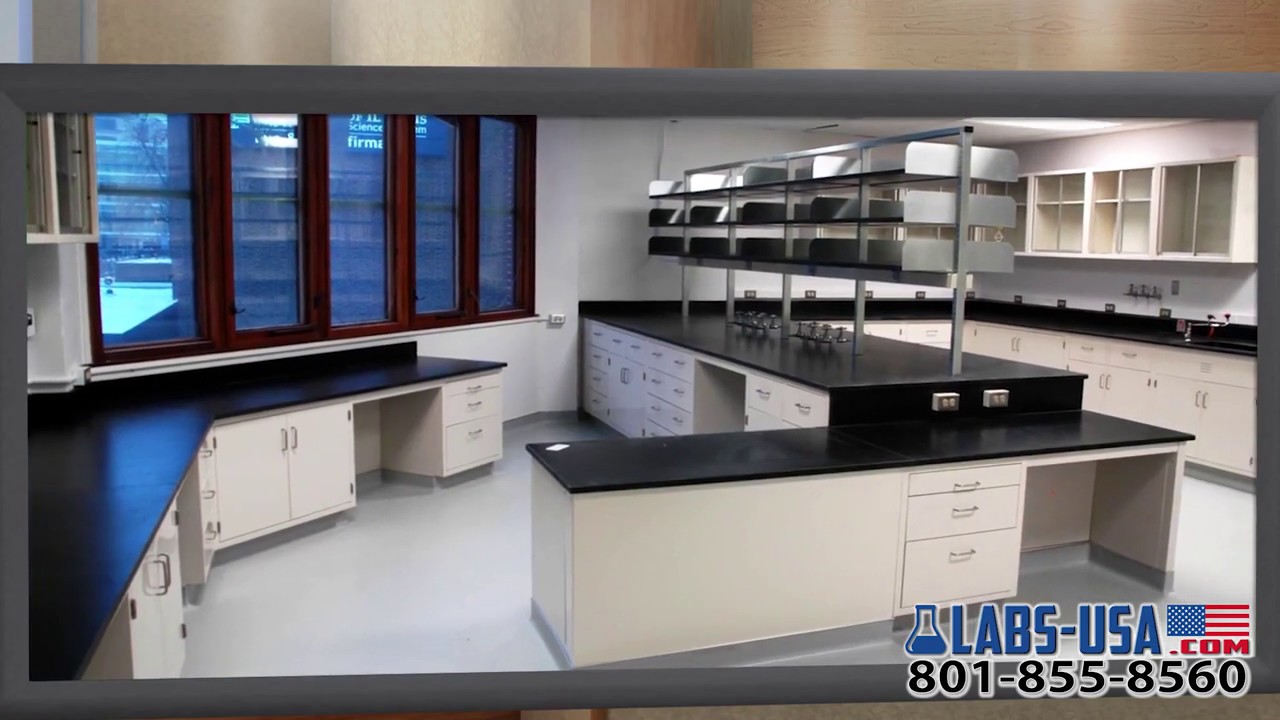
Full Lab Design Specialists | Labs USA | 801-855-8560

Frequently Asked Questions (FAQs)

Here are answers to some common questions about laboratory phenolic casework.

1. Is phenolic casework truly waterproof?

Yes, for laboratory purposes, phenolic is waterproof. The manufacturing process creates a solid, non-porous panel that moisture cannot penetrate. This means it will not swell, warp, or delaminate. It is an excellent choice for areas with high humidity or near sinks. However, ensure your installer properly seals all seams to protect the underlying structures.

2. How does the lifecycle cost compare to epoxy resin?

Initially, phenolic casework often has a lower purchase price than epoxy resin. When considering long-term cost, you should factor in maintenance and lifespan. Both materials are very durable. Epoxy may have a longer life in labs with extremely harsh or exotic chemicals. For most university, research, and clinical labs, phenolic offers a great balance of performance and long-term value.

3. Can I repair a scratch on a phenolic surface?

Minor scuffs can often be buffed out. However, deep scratches or gouges are difficult to repair perfectly. The color and pattern are in a decorative top layer. A deep cut can expose the dark phenolic core. Unlike epoxy resin, there are no simple patch kits. The material is very hard and scratch-resistant to begin with, so proper care is the best strategy.

4. What is the maximum temperature phenolic can handle?

Phenolic resin countertops have good heat resistance but are not intended for constant high temperatures. They can handle intermittent heat up to approximately 350°F (176°C). A hot beaker set down for a short time should not be an issue. However, a hot plate left on the surface for an extended period could cause damage. For sustained high heat, consider epoxy resin or stainless steel.

5. Is phenolic casework an eco-friendly option?

Yes, it can be. The core of a phenolic panel is made from kraft paper, which often comes from sustainable forests and may contain recycled content. Many top manufacturers also focus on responsible production with low volatile organic compound (VOC) emissions. Some products can help your building earn points toward LEED certification. Ask your supplier for their specific environmental certifications.

6. What is the typical lead time for a custom order?

Lead time can vary. It depends on the complexity of your design, the manufacturer’s schedule, and your selected colors or finishes. As a general guideline, expect a wait of 6 to 12 weeks from the approval of final drawings. It is important to confirm this with your supplier early in your project planning to avoid delays. Some standard sizes and styles may be in stock for faster delivery.

Plan Your Laboratory with Confidence

Choosing the right laboratory phenolic casework is a major step in creating a safe, efficient, and durable workspace. By understanding its construction, comparing it to other materials, and following a clear selection process, you can make an informed decision that supports your scientific work for years to come.

Ready to find the perfect fit for your facility? Our team is here to help you navigate the options and design a lab that meets your exact needs.

Compare Your Laboratory Casework Options

Request a Quote and Plan Your Layout

A Guide to Stainless-Steel Casework for Labs

A Comprehensive Guide to Stainless Steel Casework for Laboratories

Choosing the right furniture for a laboratory is a foundational decision. It impacts safety, efficiency, and the integrity of scientific work for years. For demanding environments, stainless steel casework stands out as a top solution. Its durability, chemical resistance, and hygienic properties make it a smart long term investment.

This guide is for lab managers, facility planners, architects, and anyone involved in specifying laboratory infrastructure. We will explore why stainless steel is often the best choice, especially when cleanliness and durability are critical. Making the right decision from the start helps create a facility that runs smoothly and safely for decades.

This article will provide a clear path for planning and selecting the best stainless steel lab casework for your needs. We will cover the core benefits, a step by step selection process, comparisons to other materials, and real world scenarios. By the end, you will have the knowledge to specify casework that boosts productivity and withstands the rigors of daily lab work.

How to Choose Stainless Steel Casework: A 5 Step Checklist

Selecting the right stainless steel casework can feel like a large task. Breaking the process down into logical steps makes the right choices clear. This five step checklist will guide you through the selection process to ensure you specify casework that fits your lab’s needs for safety, efficiency, and longevity.

Step 1: Assess Chemical Exposure

First, you need a clear understanding of the chemicals your team uses daily. This is the most important factor, as it determines which grade of stainless steel you need.

  • Create a Chemical Inventory: List every chemical, solvent, and cleaning agent that will contact the casework. Note their concentrations and frequency of use.
  • Choose the Right Steel Grade: For general lab use with moderate chemical exposure, Type 304 stainless steel is usually sufficient. If your lab uses harsh corrosives like chlorides, salts, or strong acids, upgrading to Type 316 stainless steel is necessary for long term durability.

Step 2: Define Cleaning and Infection Control Requirements

For many labs, especially in clinical, pharmaceutical, or cleanroom settings, hygiene is a strict regulatory requirement. Your casework must support your facility’s cleaning and sterilization protocols. The non-porous surface of stainless steel is a significant advantage, making it easy to clean. For sterile spaces, look for seamless welds and crevice free designs to eliminate places where contaminants can collect.

Step 3: Map Layout and Workflow

Next, think about how your team works and what they need to store. An efficient lab layout minimizes wasted steps and keeps tools accessible. Your design should support your process, not hinder it.

  • What types of samples and equipment require storage?
  • Do you need a mix of drawers for small items and cabinets for bulky equipment?
  • Would mobile casework on casters add necessary flexibility?
  • Where are the main work zones, and what must be stored within arm’s reach?

Answering these questions helps you select the right mix of base cabinets, wall units, and mobile stations.

Step 4: Evaluate Construction Quality

Not all stainless steel casework is built to the same standard. The quality of construction greatly impacts its lifespan and performance. Pay attention to small details to avoid future problems.

  • Fully Welded Seams: These provide more strength than spot welded or bolted casework.
  • Reinforced Corners: Gussets add structural integrity and prevent warping under heavy loads.
  • Durable Hardware: Check the quality of hinges, drawer slides, and handles. They must withstand constant use.

Step 5: Analyze Budget and Lifecycle Costs

Finally, look beyond the initial purchase price and consider the total cost of ownership. Stainless steel may have a higher upfront cost, but its durability and low maintenance often make it the most economical choice over time. Consider the cost to repair or replace less durable materials in five or ten years. The resistance of stainless steel to corrosion and daily wear delivers a better return on investment.

Comparing Stainless Steel with Other Casework Materials

Choosing the right material for your lab involves balancing performance, longevity, and budget. While stainless steel casework is the top choice for harsh environments, other materials like painted steel, wood, and laminate have their place. It is important to understand the trade offs.

Stainless steel lab casework with upper glass doors, base cabinets, and integrated equipment in a clean laboratory.
Stainless steel cabinets and countertops provide durable, easy to clean storage in a clean lab environment.

For example, wood casework looks classic but fails quickly in a wet lab. Painted steel can be a cost effective choice for a dry lab with low chemical exposure. This comparison will show when the premium performance of stainless steel is worth the investment and when another material might be a better fit.

Material Comparison Table

This table breaks down the key features of common casework materials to provide a clear, side by side comparison. This can help you make an informed decision based on your lab’s specific needs.

Material Type Strength & Durability Chemical Resistance Ideal Environments Relative Cost
Stainless Steel Excellent. Resists dents, heat, and impact. Will not rust or chip. Excellent. Withstands a wide range of acids, solvents, and cleaning agents. Cleanrooms, BSL rated labs, pharmaceutical, wet labs, food science. High
Painted Steel Very Good. Strong core, but the finish can be scratched or chipped. Good. Powder coat finish handles many common chemicals, but harsh solvents can cause damage. General research, educational labs, dry storage, instrument labs. Medium
Laminate Fair. Particleboard core is vulnerable to impact and moisture damage. Fair. Resists mild chemicals, but prolonged exposure can cause delamination. Educational (K-12), dry work areas, break rooms. Low
Wood Good. Solid feel, but susceptible to scratches and dents compared to steel. Poor. Easily damaged by acids, solvents, and moisture. Spills can cause swelling. Physics labs, instrument rooms, strictly dry environments. Medium-High

Decision Scenarios: When to Choose Stainless Steel

Technical specifications are useful, but seeing how stainless steel performs in real world situations makes the choice clearer. Every lab faces unique challenges. In many tough environments, stainless steel is the only viable option. These examples show how its properties deliver benefits for safety, compliance, and long term costs.

Scenario 1: New Construction of a High Containment Lab

In Biosafety Level 3 (BSL-3) or BSL-4 labs, containment is the top priority. These facilities handle infectious agents that can cause serious disease. Every surface must be non-porous and able to withstand harsh decontamination. Stainless steel is mandatory in these settings. Its seamless construction leaves no place for microbes to hide, and it resists harsh sterilants without degrading. Type 316 stainless steel is the standard choice for its superior chemical resistance.

Scenario 2: Renovation of a Clinical Lab

A clinical lab renovating to improve infection control needs materials that are easy to clean and durable. Stainless steel casework meets these needs perfectly. Its smooth, non-porous surface prevents bacterial growth and is easy to sanitize between samples. This helps ensure accurate test results and a safe environment for staff. Unlike laminate or wood, it will not degrade from frequent cleaning with disinfectants.

Scenario 3: An Industrial Quality Control Lab

Industrial QC labs require long term durability. Casework in these environments faces daily use, potential impacts from equipment, and exposure to various chemicals. Stainless steel provides the necessary toughness to handle this demanding setting. It resists dents, scratches, and chemical spills, ensuring a long service life with minimal maintenance. This reduces the total cost of ownership compared to less durable materials that would need frequent repair or replacement.

Integrating Casework with Benches and Workstations

Stainless steel casework is the backbone of a laboratory system. An efficient workflow is created when base and wall cabinets are paired with the right countertops and lab workstations and tables. A well integrated lab supports processes instead of getting in the way.

Creating a Cohesive System

A smart lab layout involves arranging laboratory furniture options to create ergonomic work zones. Base cabinets form the foundation for benches. Topping them with a durable work surface creates a solid station for instruments or sample prep. Wall mounted cabinets keep daily supplies accessible while freeing up valuable bench space.

While a full stainless steel setup offers a seamless look, it is not always the only choice. For work surfaces, pairing stainless steel base cabinets with a stainless steel countertop provides maximum durability and cleanability. However, in areas with extreme heat, an epoxy resin top might be a better option. The choice depends on the specific tasks performed on that surface.

Maintenance and Lifecycle of Stainless Steel Casework

Proper care protects your investment for decades. With simple maintenance, your stainless steel casework will maintain its clean finish and structural integrity, delivering an excellent return on investment.

Recommended Cleaning Practices

The key to stainless steel’s longevity is its protective passive layer of chromium oxide. This layer prevents corrosion but can be damaged by improper cleaning methods.

  • Routine Cleaning: Use a soft cloth with mild soap and water for daily wipe downs.
  • Wipe with the Grain: Always wipe in the direction of the steel’s grain to prevent micro scratches.
  • Rinse and Dry: After cleaning, rinse the surface with clean water and dry it completely to prevent water spots.
  • Avoid Harsh Cleaners: Do not use abrasive cleaners, steel wool, or products containing chlorides, like bleach. These can damage the protective layer and lead to corrosion.

Accessibility and Usability

A well designed lab is also an accessible one. When planning a layout with stainless steel casework, consider accessibility guidelines for reach ranges and clear floor space. Proper planning ensures that all team members can work safely and efficiently. For example, ensuring a 36 inch wide pathway between cabinet rows allows for easy movement and wheelchair access. Good alternative text for images also improves accessibility. For instance, an alt text could be: “A lab technician in a wheelchair accesses a low stainless steel base cabinet with ergonomic pull handles.”

Frequently Asked Questions

Here are answers to common questions about stainless steel casework to help you make an informed decision for your facility.

When should I choose stainless steel over painted steel?

Choose stainless steel when your lab requires superior corrosion resistance, high levels of sterility, and frequent wash downs. It is essential for wet labs, cleanrooms, and facilities using harsh chemicals. Painted steel is a good option for dry labs with minimal chemical exposure, such as electronics or instrument labs.

What is the difference between Type 304 and Type 316 stainless steel?

Type 304 is the industry standard and provides excellent corrosion resistance for most general lab applications. Type 316 contains molybdenum, which significantly increases its resistance to chlorides, salts, and strong acids. Choose Type 316 for marine labs or any environment with intense exposure to corrosive agents.

How does stainless steel perform with harsh chemicals?

Stainless steel offers excellent resistance to a wide range of chemicals. However, prolonged contact with highly concentrated acids or chloride solutions can damage the surface. Type 316 offers the best protection against the most aggressive chemicals. Always check a chemical compatibility chart for specific substances.

What is the long term cost of ownership?

While the initial cost of stainless steel is higher than some other materials, its total cost of ownership is often lower. Its durability and resistance to damage mean it lasts for decades with minimal maintenance or replacement costs. Materials like laminate or wood may need to be replaced multiple times over the same period.

Can stainless steel casework be customized?

Yes, stainless steel casework is highly customizable. While standard sizes are available for quick shipment, cabinets can be fabricated to custom dimensions. Options include specific door and drawer configurations, integrated sinks, and cutouts for utilities or equipment.

How does stainless steel work with different countertop surfaces?

Stainless steel base cabinets can be paired with various work surfaces. A stainless steel countertop creates a seamless, durable, and easy to clean workstation. For areas with extreme heat or specific chemical use, other materials like epoxy resin or phenolic resin can be used on top of stainless steel cabinets.

Conclusion: Plan Your Lab with Confidence

Stainless steel casework is a durable, hygienic, and long lasting solution for demanding laboratory environments. Its resistance to corrosion, chemicals, and physical damage makes it the ideal choice for cleanrooms, clinical labs, and research facilities where safety and purity are paramount. By carefully assessing your lab’s specific needs, you can select the right type and configuration of casework to create an efficient and reliable workspace.

At Labs USA, we can help you with design support, product selection, and quick quotes. We stock a wide range of stainless steel laboratory casework and can assist with quick ship options to meet your project timeline. Our team is ready to help you plan the perfect layout for your facility.

Ready to get started? Compare your casework options or contact us today to request a quote and discuss your project with one of our experts.

Laboratory Wood Casework: A Guide to Selection and Integration

Laboratory wood casework provides the foundational cabinets and storage for many scientific spaces. It is a popular choice in educational labs, dry electronics workspaces, and research support areas. Wood casework brings function and a classic aesthetic to the modern laboratory.

This type of casework is built from wood-based materials. The core is typically particleboard or plywood, which is then covered in a durable, chemical-resistant finish. This construction makes it a strong choice for specific lab environments.

Key Takeaways

  • Best Fit: Laboratory wood casework is ideal for dry labs, educational settings, and office areas where exposure to harsh chemicals is limited.
  • Construction: Modern wood casework uses an engineered wood core with a specialized chemical-resistant finish for durability.
  • Comparison: Wood is more cost-effective and provides better sound dampening than steel, but steel offers higher chemical and moisture resistance.

What is Laboratory Wood Casework?

Modern science laboratory featuring wood casework cabinets, black countertops, and multiple sinks with blue walls

alt: A university teaching lab with light wood casework, black epoxy countertops, and sinks.

Laboratory wood casework is a system of base cabinets, wall cabinets, and storage units designed for lab use. The construction is more robust than standard office cabinets. The finishes are specialized to handle moderate chemical exposure and frequent use. This makes it a solid and cost-effective choice for many applications.

Core Materials and Construction

Modern wood casework uses an engineered wood core for stability. The two most common core materials are:

  • Particleboard: This material is budget-friendly and dimensionally stable. It is made from wood particles bonded with resin, creating a smooth surface for veneers.
  • Plywood: Made from thin layers of wood veneer, plywood offers greater strength. It holds screws well, making it a good choice for heavy-use cabinets.

These cores are covered with wood veneers and a protective finish. This combination balances durability and cost.

Finishes for Lab Environments

The finish is the most important part of lab-grade wood casework. It protects against spills, stains, and daily wear. A high-quality, chemical-resistant finish is applied to all exposed surfaces. This is often a catalyzed conversion varnish or an epoxy coating.

This protective layer is formulated to resist common lab reagents and cleaning agents. It seals the wood core from moisture, ensuring the casework maintains its structure for years. For labs requiring flexibility, a modular wood lab workspace allows for future layout changes.

How to Choose Laboratory Wood Casework: A 5-Step Checklist

Selecting the right laboratory wood casework options requires a structured approach. This checklist helps you balance function, durability, and cost.

Professional reviewing laboratory casework selection checklist with tablet and floor plans on wooden desk

alt: A lab manager uses a checklist to select laboratory wood casework from a floor plan.

Step 1: Assess Your Lab’s Chemical Use

First, define the daily activities in your lab. Wood casework is a great option for dry labs, physics labs, and educational settings with moderate chemical exposure.

If your lab uses harsh acids, bases, or solvents, you must be realistic about wood’s limitations. Create a list of all chemicals used and compare it to the resistance ratings of the casework finish. This step can prevent costly mistakes.

Step 2: Plan for Workflow Efficiency

Next, consider the physical space. Map your floor plan and think about how people will move through the lab. An efficient layout minimizes wasted movement and creates zones for different tasks.

Place base cabinets, wall cabinets, and storage units strategically. Ensure there is enough counter space near instruments and sinks. Plan for adequate clearance around doors and drawers to prevent traffic issues.

Step 3: Evaluate Material and Finish Durability

The durability of wood casework comes from its core material and protective finish. For most labs, an industrial-grade particleboard core provides a stable surface. Plywood is a better option if you need more strength and screw-holding power.

The finish is your primary defense. Look for factory-applied, chemical-resistant finishes like a catalyzed conversion varnish. Always request finish samples to test against the specific chemicals used in your lab.

Step 4: Inspect Hardware and Construction Quality

The long-term performance of your cabinets depends on the construction quality. High-quality lab casework features robust construction and heavy-duty hardware.

Look for these key features:

  • Dovetail Drawer Boxes: This joint provides superior strength for drawers.
  • Full-Extension Drawer Slides: These should be rated for at least a 100-pound load.
  • Institutional Hinges: Heavy-duty, five-knuckle hinges keep doors aligned.
  • Adjustable Shelving: Shelves should be at least one inch thick with sturdy support clips.

Step 5: Align Budget with Long-Term Value

Finally, consider the total cost of ownership. The cheapest option can lead to higher repair and replacement costs later. Investing in higher-quality materials, finishes, and hardware usually pays off over the life of the lab.

When you request quotes, ensure they are detailed. They should break down the costs for materials, hardware, and installation. Also, review the manufacturer’s warranty as an indicator of product quality.

Comparing Casework Materials: Wood vs. Steel and More

Choosing the right material for your lab casework is a critical decision. It impacts functionality, durability, and budget. While wood casework offers a classic look, it is important to see how it compares to painted steel, stainless steel, and phenolic resin.

Side by side comparison of wood and steel laboratory cabinets with countertops and sinks

alt: A side-by-side comparison of laboratory wood casework and gray painted steel casework.

Wood Casework

Wood casework is popular in educational settings and dry labs. It adds warmth to the environment. It is typically built with a particleboard or plywood core and protected by a chemical-resistant finish.

Wood is often cost-effective and has natural sound-dampening properties. Its main vulnerability is moisture and harsh chemicals, especially if the protective finish is compromised.

Painted Steel Casework

Painted steel casework is common in general chemistry and R&D labs. It is made from heavy-gauge steel with a durable, powder-coated finish. This makes it highly resistant to many chemicals, moisture, and impacts.

Steel’s primary advantage is its structural strength. Its non-porous surface is also easy to clean. While it costs more than wood, its durability makes it a lasting investment.

Stainless Steel Casework

For environments requiring sterility and high chemical resistance, stainless steel laboratory casework is the standard. It is the top choice for cleanrooms, pharmaceutical labs, and facilities handling biological agents.

The surface is non-porous, easy to sterilize, and prevents microbial growth. Stainless steel offers unmatched resistance to heat, moisture, and a broad spectrum of chemicals. This performance comes at a premium price.

Phenolic Resin Casework

Phenolic resin is an engineered composite. It is made by fusing layers of resin-soaked paper under high heat and pressure. The result is a dense panel that resists chemicals, moisture, and impacts.

It offers chemical resistance similar to painted steel but will not rust or corrode. It costs more than wood but less than stainless steel, offering a balance of performance and value.

Laboratory Casework Material Comparison

This table provides a side-by-side comparison of the most common casework materials.

Material Chemical Resistance Moisture/Heat Resistance Typical Load Range Best Applications Pros Considerations
Wood Good (finish dependent) Low to Moderate 400–500 lbs Dry labs, educational, offices, physics labs Cost-effective, warm aesthetic, sound-dampening Vulnerable if finish is scratched, can swell with moisture
Painted Steel Very Good Good 500+ lbs General chemistry, biology, industrial labs Durable, high strength, easy to clean, non-combustible Can rust if powder coat is deeply scratched, higher cost
Stainless Steel Excellent Excellent 500+ lbs Cleanrooms, pharmaceutical, medical, wet labs Unmatched sterility, highest chemical resistance Highest cost, can show fingerprints and smudges
Phenolic Resin Very Good Excellent 400–500 lbs High-moisture areas, labs with moderate chemical use Will not rust or delaminate, lightweight yet strong Higher cost than wood, can be brittle under high impact

Decision Scenarios for Different Labs

Applying technical knowledge to real-world projects can be challenging. These scenarios show how function, budget, and safety influence the choice of casework.

Scenario 1: University Teaching Lab

A general science teaching lab at a university experiences high traffic. The casework must handle moderate wear, frequent cleaning, and minor spills. The budget is a primary concern.

Recommendation: Wood Casework

  • Why it works: Wood casework offers the right blend of durability and cost-effectiveness for this setting. Its finish can handle the diluted reagents used in introductory classes.
  • Key benefit: Wood’s sound-dampening qualities help reduce noise. Its appearance also creates a more welcoming atmosphere for students.

Scenario 2: General Chemistry R&D Lab

This lab works with a wider range of chemicals, including acids, bases, and solvents. Chemical resistance and structural integrity are top priorities. The casework must also be non-combustible.

Recommendation: Painted Steel Casework

  • Why it works: The powder-coated finish on steel cabinets resists the chemicals found in an R&D lab. Steel can also support heavy benchtop equipment.
  • Key benefit: Painted steel is non-porous and easy to decontaminate, which is critical for safety and cleanliness.

Scenario 3: Dry Physics or Electronics Lab

In a physics or electronics lab, chemical exposure is minimal. The priorities are controlling static, organization, and housing sensitive equipment. The workspace should be modular and reconfigurable.

Recommendation: Modular Wood Lab Cabinets

  • Why it works: Wood is a natural insulator and does not conduct electricity. Modular wood lab cabinets provide the flexibility to adapt the layout as projects change.
  • Key benefit: The cost savings compared to steel can be significant. This frees up the budget for specialized work surfaces or testing equipment.

Scenario 4: Office Attached to a Lab

This space is used for documentation, data analysis, and team meetings. The environment is dry and does not involve chemicals. The goal is to create a professional and comfortable workspace adjacent to the lab.

Recommendation: Wood Casework

  • Why it works: Wood offers a professional look and feel at a reasonable cost. It provides ample storage for files, supplies, and personal items.
  • Key benefit: The aesthetic of wood helps create a clear visual separation between the office and lab areas, promoting a more focused work environment.

Integrating Work Surfaces and Shelving

Laboratory wood casework is the foundation of a functional workspace. To create a complete system, you must integrate it with the right work surfaces and shelving. This ensures a seamless environment that supports your team’s workflow.

Modern laboratory wood casework featuring light oak cabinets with black countertops and blue wall panels

alt: Light oak laboratory wood casework with integrated black work surfaces and wall shelving.

Pairing Wood Casework with Compatible Work Surfaces

The work surface must handle the specific demands of your lab. Wood cabinets can support a wide variety of heavy-duty tops.

Popular work surface options for wood cabinets include:

  • Epoxy Resin: This material offers excellent resistance to heat and chemicals. It is dense and heavy, requiring the sturdy support of wood base cabinets.
  • Phenolic Resin: A lighter but durable option, phenolic resin resists moisture and bacteria. It balances performance and budget well.
  • High-Pressure Laminate: This is a budget-friendly choice for dry labs and write-up stations where chemical use is minimal.

A seamless installation is critical to prevent spills from reaching the cabinet structure below.

Strategies for Adding Shelving Systems

Shelving maximizes vertical space and keeps supplies organized. The best shelving strategy depends on your lab’s layout and storage needs.

Common shelving options include:

  • Wall-Mounted Shelving: Heavy-duty shelves should be anchored into wall studs to support the weight of equipment and supplies.
  • Reagent Shelving: These shelves are installed on the countertop or on uprights to provide easy access to frequently used chemicals.
  • Freestanding Shelving Units: These units offer flexibility when wall mounting is not an option.

When planning, map out clearances for utilities like gas lines and electrical outlets. Proper integration of shelving systems that integrate with wood casework ensures all components work together effectively.

Maintenance and Lifecycle Tips

Proper care extends the life of your wood casework. A simple maintenance routine keeps it functional and safe. The primary goal is to protect the chemical-resistant finish.

Routine Cleaning and Spill Management

For daily cleaning, use a soft, damp cloth and a mild soap. Avoid harsh chemical cleaners or abrasive pads that can scratch the finish.

When a spill occurs, act quickly:

  • Blot the spill immediately with an absorbent cloth. Wiping can spread the chemical.
  • Clean the area with a gentle detergent and water.
  • Consult the SDS for the spilled substance for proper cleanup procedures.
  • Rinse and dry the area completely to prevent moisture damage.

Periodic Inspections and Adjustments

Monthly inspections can help you identify small issues before they become major problems.

  • Hardware: Check that hinges, pulls, and handles are secure. Tighten any loose screws.
  • Drawer Slides: Ensure drawers move smoothly. Clean any debris from the slides.
  • Surface Integrity: Look for deep scratches or chips in the finish. Touch up these spots promptly.
  • Seals and Gaskets: Inspect gaskets for cracks or damage and replace them if needed.

Frequently Asked Questions (FAQs)

Here are answers to common questions about laboratory wood casework.

How is lab-grade wood casework different from residential cabinets?

Lab-grade wood casework uses more durable core materials, such as industrial-grade particleboard or plywood. It also features a specialized chemical-resistant finish and heavy-duty hardware designed for constant use.

What is the typical lead time for wood casework?

Lead times are generally between six to ten weeks from order confirmation. Custom orders or special finishes may take longer. Always confirm the current lead time when you request a quote.

Is wood casework compliant with SEFA standards?

Yes, high-quality laboratory wood casework is manufactured to meet or exceed SEFA 8 (Scientific Equipment and Furniture Association) standards. This ensures the cabinets have been tested for structural integrity and safety.

How does the cost of wood compare to steel casework?

Wood casework is typically 10% to 25% less expensive than painted steel casework. This makes it a cost-effective option for schools, dry labs, and projects with tight budgets.

What are the best chemical-resistant finishes for wood?

The standard finish is a catalyzed conversion varnish. This multi-layer coating creates a hard, non-porous barrier against stains and common lab chemicals. An epoxy finish offers even greater protection.

Can utilities be integrated into wood cabinets?

Yes. Wood cabinets can be factory-prepped or modified on-site to accommodate plumbing, gas lines, electrical outlets, and data ports. Planning during the design phase ensures proper placement.

Are there ventilation options for wood casework?

Yes. Fume hood bases and solvent storage cabinets are often built from wood. They can be fitted with vent kits to connect to your facility’s exhaust system for safe storage of volatile chemicals.

How long does laboratory wood casework last?

With proper care and maintenance, a quality wood casework system can last 20 years or more. Its lifespan depends on the lab environment and how well the protective finish is maintained.

Conclusion: Is Wood Casework Right for Your Lab?

Laboratory wood casework offers a durable, functional, and cost-effective solution for many applications. It is an excellent choice for educational labs, dry work areas, and support spaces where aesthetics and budget are key considerations. By carefully assessing your lab’s needs and following a structured selection process, you can build a workspace that is both efficient and inviting.

Labs USA stocks a wide range of lab furniture, tables, workstations, and shelving. We can help you find the right components for your facility. Check our inventory for quick-ship options and availability.

Ready to plan your lab?

Laboratory Phenolic Casework: Selection, Integration, and Maintenance

When you need lab cabinets that stand up to harsh conditions, phenolic casework is a leading choice. It is a high-performance system built from solid phenolic composite panels, earning a reputation for its exceptional resistance to chemicals, moisture, and impact. This makes it an incredibly durable option for the tough environments found in many laboratories.

Unlike traditional wood that can swell or metal that can rust, phenolic material does not delaminate, warp, or corrode when exposed to frequent spills or high humidity.

Key Takeaways

  • Exceptional Durability: Phenolic casework offers superior resistance to a wide range of chemicals, moisture, and impact, making it ideal for wet labs and high-use environments.
  • Low Lifecycle Cost: While the initial investment may be higher than laminate, its long service life and minimal maintenance needs result in a lower total cost of ownership.
  • System Integration: Phenolic casework pairs effectively with various work surfaces like phenolic resin, epoxy resin, and stainless steel, and integrates seamlessly with laboratory shelving systems.

What Is Phenolic Casework?

The process for creating phenolic casework begins with layers of kraft paper saturated in phenolic resin. These layers are fused together under intense heat and pressure. This creates a solid, non-porous panel that is incredibly dense and stable.

It is important to distinguish phenolic casework (the cabinets and drawers) from the phenolic work surfaces it supports. While made from similar materials, the casework forms the structural body of your storage. The countertops, in contrast, are specifically engineered to handle the direct abuse of chemicals, heat, and daily wear. The concept that phenolic tops and casework goes together creates a uniformly resistant workstation.

Modern labs in biotechnology, research, and education are increasingly choosing phenolic over steel or wood. Its ability to resist a wide range of chemicals and constant moisture means it does not break down easily. This toughness translates to a lower total cost of ownership because you avoid frequent repairs or replacements.

The manufacturing process also creates a surface that naturally resists bacterial growth. This is a crucial feature for clinical and biological labs. Phenolic casework delivers a solid foundation for a lab that is safe, clean, and efficient.

A 5-Step Checklist for Selecting Phenolic Casework

A checklist being reviewed for selecting laboratory phenolic casework

alt=’A checklist being reviewed for selecting laboratory phenolic casework’

Choosing the right laboratory phenolic casework is a critical decision. It depends on a practical assessment of your lab’s daily operations. A correct choice results in a safe, functional, and long-lasting workspace.

To help you make a smart investment, follow these five straightforward steps.

Step 1: Analyze Chemical and Moisture Exposure

First, identify all chemicals used in the lab. List the acids, bases, solvents, and cleaning agents that may come into contact with your cabinetry. Note their concentrations and frequency of contact.

Also, evaluate the moisture levels. Labs with constant wash-downs, high humidity, or integrated sinks create tough environments. You need a material like phenolic that will not swell, warp, or support mold growth.

Step 2: Calculate Load-Bearing and Storage Needs

Next, consider the weight of stored items. Account for everything from heavy benchtop equipment to bulk reagent containers and glassware. Every cabinet and shelf has a specific load rating. Exceeding this limit can lead to failure and safety hazards.

Develop a storage plan. Knowing where items will be stored helps you choose the right mix of base cabinets, wall units, and tall storage. Ensure shelving is adjustable and strong enough to handle its intended load without sagging. Our detailed casework guide for new lab builds provides more specifics.

Step 3: Plan for Systems Integration

Modern labs have complex utility systems. Your casework must accommodate plumbing lines, electrical outlets, data ports, and ventilation ducts. The layout needs to incorporate sink bases, gas turrets, and power outlets without compromising structural integrity.

Remember to account for specialty cabinets, such as those under fume hoods with specific ventilation needs. Proper planning ensures that service lines are accessible for maintenance while remaining safely concealed.

Step 4: Inspect Construction and Hardware Quality

The long-term durability of casework depends on its construction details. Look for solid panel construction and robust assembly methods. Pay close attention to the hardware, such as hinges, slides, and pulls, as these are common points of failure.

  • Hinges: Choose stainless steel five-knuckle or heavy-duty concealed hinges for the best defense against corrosion.
  • Drawer Slides: Full-extension, ball-bearing slides are essential for smooth operation and complete access to drawer contents.
  • Pulls: Select pulls that are easy to grab with gloves and made from a corrosion-resistant material.

Step 5: Evaluate Lifecycle Costs and Maintenance

Finally, look beyond the initial purchase price. Calculate the total cost of ownership, which includes installation, ongoing maintenance, and potential replacement costs. Phenolic casework may have a higher upfront cost than laminate, but its service life is significantly longer in demanding environments.

Its low-maintenance nature is a major advantage, typically requiring only cleaning with mild detergents. By balancing the initial investment against its durability and minimal upkeep, you make a sound financial decision for your lab.

Comparing Phenolic Casework with Other Materials

Phenolic casework installed in a bright, modern laboratory setting

alt=’Phenolic casework installed in a bright, modern laboratory setting’

When outfitting a lab, your choice of casework directly impacts safety, workflow, and your budget. Let’s compare how Laboratory Phenolic Casework performs against painted steel, stainless steel, and wood or laminate.

Phenolic vs. Painted Steel

Painted steel is a strong and cost-effective option for many labs. However, its painted surface can chip or scratch, exposing the steel underneath to moisture and chemicals. This can lead to rust and corrosion over time.

Phenolic resin, in contrast, has a solid composite structure. It is non-porous and will not rust or delaminate, making it a better choice for labs with high humidity or frequent chemical exposure.

Phenolic vs. Stainless Steel

Stainless steel is the top choice for sterile environments, cleanrooms, and areas requiring high heat resistance. It is exceptionally durable and easy to sterilize. However, it is also the most expensive option.

Phenolic casework offers excellent chemical and moisture resistance at a lower price point than stainless steel. For many labs that do not require sterile conditions, phenolic provides a durable and more economical solution.

Phenolic vs. Laminate/Wood

Laminate and wood core casework are the most budget-friendly options upfront. They are suitable for dry labs and areas with minimal chemical use. However, they are highly susceptible to damage from moisture and harsh chemicals.

Water exposure can cause laminate to peel and the wood core to swell, leading to irreversible damage. Phenolic casework is impervious to moisture, ensuring a much longer lifespan in wet or humid conditions.

Material Comparison Table for Laboratory Casework

Choosing the right material involves balancing performance, application, and cost. This table outlines the key differences to help you decide.

Material Chemical Resistance Moisture/Heat Resistance Typical Load Range Best Applications Pros Considerations
Phenolic High High 100–200 lbs/shelf Wet labs, chemical synthesis, acid work Non-porous, durable, easy to clean Heavier than steel, higher upfront cost than laminate
Painted Steel Moderate Moderate 150–250 lbs/shelf General chemistry, dry labs, instrumentation Cost-effective, strong Prone to chips and scratches, can rust
Stainless Steel High High 200–300 lbs/shelf Sterile environments, cleanrooms, biological labs Hygienic, fireproof, excellent strength Most expensive option, shows fingerprints
Laminate/Wood Core Low Low 80–150 lbs/shelf Dry labs, tech benches, low-risk areas Most economical upfront Swells with moisture, susceptible to chemical damage

Decision Scenarios for Phenolic Casework

Selecting the right material often comes down to the specific application. Here are several scenarios where phenolic casework is an excellent choice.

Scenario 1: Wet Chemistry Labs

In a lab with frequent use of water, sinks, and aqueous solutions, moisture is a constant threat. Phenolic casework is ideal here because its non-porous surface repels water and prevents swelling, warping, or mold growth, which often plagues wood or laminate cabinets. This makes it the perfect material for chemical resistant cabinets for wet labs.

Scenario 2: Acid and Solvent Storage Areas

For environments where strong acids, bases, or organic solvents are used, material durability is critical. Phenolic resin offers broad chemical resistance, preventing the staining, etching, or corrosion that can damage painted steel or laminate. It provides a safe and long-lasting storage solution for aggressive reagents.

Scenario 3: University Teaching Labs

Teaching labs endure heavy use and abuse from students. The high impact and scratch resistance of phenolic casework makes it suitable for this demanding environment. Its surfaces withstand abrasions better than laminate or painted steel, and its easy-to-clean finish allows for quick turnovers between classes.

Scenario 4: Clean Spaces and Biological Labs

While stainless steel is the standard for sterile cleanrooms, phenolic casework is a practical alternative for many biological and clinical labs. Its seamless, non-porous panels do not harbor microbial growth and are compatible with harsh disinfectants. This provides a hygienic and chemically resistant solution at a lower cost than stainless steel.

Scenario 5: Research and Development Facilities

R&D labs often require flexible and durable furniture to adapt to changing projects. The customizable nature of phenolic casework, combined with its resistance to a wide array of chemicals, makes it a versatile choice that can support diverse research activities for years to come.

Integrating Casework with Lab Surfaces and Shelving

Phenolic laboratory casework integrated with work surfaces and overhead shelving in a modern lab.

alt=’Phenolic laboratory casework integrated with work surfaces and overhead shelving in a modern lab.’

A well-designed lab is an integrated system where casework, surfaces, and shelving work together. Pairing your laboratory phenolic casework with the right components creates a safe and efficient workspace.

Matching Casework with Compatible Work Surfaces

The relationship between your casework and countertops is critical. Choosing the right surface material prevents premature wear and ensures safety. Explore our guide to laboratory work surfaces to see all available options.

Here are three common pairings:

  • Phenolic Resin Work Surfaces: This match creates a seamless look and uniform performance. A complete phenolic system provides excellent chemical and moisture resistance from top to bottom.
  • Epoxy Resin Work Surfaces: Epoxy resin is a standard for labs with harsh chemicals and high heat. Pairing an epoxy top with a phenolic base creates a premium, high-performance workstation.
  • Stainless Steel Work Surfaces: For sterile environments, stainless steel is unmatched for cleanability. Mounting stainless steel tops on phenolic cabinets combines a hygienic surface with a durable, non-corroding base.

Integrating Shelving Systems

A smart lab design utilizes vertical space. Integrating laboratory shelving systems with your casework maximizes storage and keeps essentials within reach.

When planning your vertical space, keep these points in mind:

  • Mounting and Load Capacity: Ensure the mounting method and shelf can handle the intended load, especially for heavy instruments or bulk chemicals.
  • Service Clearances: If you are running utility lines through technical uprights, leave adequate clearance for maintenance and upgrades.
  • Ergonomics: Position shelves to reduce reaching and straining. Adjustable shelving offers flexibility as lab needs change.

Maintenance and Lifecycle Guidance

Your laboratory phenolic casework is a long-term asset. While famously low-maintenance, a consistent care routine will protect your investment and ensure safety.

Routine Cleaning and Spill Management

For daily upkeep, clean phenolic surfaces with a soft cloth, mild soap, and water. Avoid abrasive cleaners, waxes, or polishes that can dull the finish.

When a chemical spill occurs, act quickly:

  1. Blot the spill immediately with a dry, absorbent cloth to contain it.
  2. Clean the area with a damp cloth and mild detergent to remove residue.
  3. Rinse and dry the surface completely with a clean cloth.

Always consult the Safety Data Sheet (SDS) for any spilled chemical. The SDS provides specific instructions for safe handling and cleanup.

Periodic Inspections and Adjustments

Conduct a quick inspection every six months to spot potential issues with mechanical parts.

  • Hinges and Drawer Slides: Check for smooth operation. Tighten any loose screws and apply a silicone-based lubricant if needed.
  • Pulls and Handles: Ensure they are securely fastened. A loose handle can be a safety hazard.
  • Leveling Feet: Verify that all cabinets are level and stable. Adjust the leveling feet to prevent wobbling, which puts stress on the frame.
  • Surface Integrity: Scan surfaces for any deep scratches or gouges. While phenolic is resilient, catching significant damage early can prevent it from worsening.

Frequently Asked Questions About Phenolic Casework

Here are answers to common questions about laboratory phenolic casework.

1. How does the cost of phenolic compare to steel casework?

Upfront, phenolic casework typically costs more than painted steel but less than stainless steel. However, its long-term value is excellent. Painted steel is prone to chipping and rust, leading to repair and replacement costs. Phenolic’s resistance to moisture and chemicals results in a longer lifespan with minimal upkeep, often making it the more economical choice over the life of the lab.

2. Is phenolic casework fire resistant?

Phenolic resin is heat resistant and can withstand temperatures up to 350°F (176°C) for short periods. However, it is not considered fireproof like welded stainless steel. For labs with strict fire ratings or constant use of open flames, steel is often the required material. Always consult local building codes and your EHS team.

3. What customization and hardware options are available?

Phenolic is highly customizable. We can configure base cabinets, wall units, and tall storage in a wide range of sizes and door/drawer combinations. Hardware options include stainless steel five-knuckle hinges, full-extension ball-bearing drawer slides, and various styles of pulls suitable for use with gloves.

4. Can phenolic casework be repaired if it gets scratched?

Phenolic is very resistant to everyday scratches. Minor surface scuffs can sometimes be buffed out. However, deep gouges are difficult to repair perfectly due to the material’s solid, layered construction. Proper care is the best way to protect the surfaces from mechanical damage.

5. What is the typical lead time for phenolic casework?

Lead times vary depending on project size, customization, and current manufacturing schedules. Standard, in-stock items may ship within a few weeks, while large or complex orders take longer. Contact our team early in your planning process for an accurate timeline.

6. How does phenolic casework contribute to lab safety?

Phenolic casework enhances lab safety in several ways. Its non-porous surface does not harbor mold or bacteria, making it easy to clean and decontaminate. Its chemical resistance ensures that spills of acids or solvents will not compromise the cabinet’s structural integrity, preventing failures that could lead to injury or chemical exposure. This is why it is critical to understand the connection between a laboratory casework choice and overall safety.

7. What work surfaces are compatible with phenolic cabinets?

Phenolic cabinets are compatible with many work surface options. Pairing them with phenolic resin worktops creates a uniform system. They also work well with epoxy resin surfaces for superior chemical resistance or with stainless steel tops for sterile applications.

8. Is phenolic casework environmentally friendly?

Many manufacturers of phenolic casework are committed to sustainability. The core of phenolic panels is often made from renewable materials like kraft paper. Additionally, their long lifespan reduces the need for frequent replacements, which minimizes waste over time. Check with the specific manufacturer for details on recycled content and certifications.

Plan Your Laboratory with Phenolic Casework

Phenolic casework provides an excellent balance of durability, chemical resistance, and long-term value for modern laboratories. Its performance in demanding environments makes it a reliable foundation for a safe and efficient workspace.

Labs USA offers a wide selection of lab furniture, tables, workstations, and related components. Many popular items are in stock and available for quick shipment.

Ready to find the right solution for your facility?

Lab Equipment Suppliers Near Me: How to Choose a Nationwide Partner

When you search for “lab equipment suppliers near me,” you are starting a search for a critical partner. This partner will help you find the right equipment and furniture for your facility. You need a supplier who can provide accessibility, expertise, and dependability to ensure your project’s success. This guide explains how to evaluate vendors, whether they are local or serve customers nationwide.

Labs USA, for example, serves the entire United States with nationwide shipping. We offer quick-ship options on select product lines and coordinate installation through trusted local partners. This model provides the product selection of a national distributor with the hands-on support you expect.


Key Takeaways

  • Supplier Types: The main options are local-only suppliers, nationwide distributors, and hybrid models. The best choice depends on your project’s scope, timeline, and need for specialized services.
  • Vendor Selection: A solid selection process involves five steps: defining scope, verifying compliance, checking lead times, planning installation, and assessing after-sale support.
  • Nationwide Service: National suppliers like Labs USA offer extensive inventory and quick-ship programs, using a network of local installers to provide on-site service across the country.

How to Choose a Lab Equipment Supplier: A 5-Step Checklist

Selecting the right supplier is a major decision that impacts your budget, timeline, and daily operations. Use this five-step checklist to evaluate potential partners and ensure they meet your standards for quality, compliance, and service.

1. Define Your Project Scope and Needs

First, clarify exactly what your project requires. Are you replacing a single workstation or outfitting a new facility? Documenting your scope helps suppliers provide accurate quotes.

Your scope should include:

  • Equipment List: Create a detailed list of all items, from casework to shelving.
  • Functionality: Note any special requirements, such as adjustable-height benches or chemical-resistant surfaces.
  • Future Growth: Consider if your lab may need to expand or reconfigure later. A good supplier can help you plan for future changes.

2. Verify Compliance and Quality Standards

Your lab’s safety and data integrity depend on equipment that meets industry regulations. Do not assume a supplier’s products are compliant. Ask for documentation.

Ensure their products meet SEFA (Scientific Equipment and Furniture Association) standards for safety and durability. A reputable supplier will readily provide material specifications and information about their quality control processes.

3. Evaluate Lead Times and Availability

Project delays often happen while waiting for back-ordered equipment. Discuss your schedule with potential suppliers and ask about current lead times for your specific items. Custom orders usually take longer than standard products.

Many leading suppliers maintain a stock of popular items. Ask if they offer “quick-ship” or in-stock programs. These can significantly shorten your timeline.

4. Clarify Delivery and Installation Logistics

Receiving lab furniture is only the first part of the process. You need a clear plan for unloading, moving, and installing it. Discuss logistics early to avoid problems.

Ask specific questions about their process:

  • How is freight coordinated and managed?
  • Do they schedule specific delivery windows with your on-site team?
  • Who performs the installation? Do they have in-house crews or a network of trusted local partners?

5. Assess After-Sale Support and Warranties

Your relationship with a supplier should continue after installation is complete. Inquire about their after-sale support. Understand the warranty for each piece of equipment, including what it covers and for how long.

Also, ask about the process for ordering replacement parts in the future. A reliable partner will support your investment for years to come.

Comparing Supplier Types: Local vs. Nationwide

Finding the right partner requires understanding the different supplier models available. The choice between a local shop, a nationwide supplier, or a hybrid distributor depends on your project’s needs. Each model has distinct advantages.

Local suppliers may offer personalized service, which is helpful for smaller projects. However, their limited inventory can lead to delays. A nationwide supplier provides access to a vast product catalog but may feel less personal. A hybrid distributor combines product sales with installation services, offering a single point of contact.

Supplier Comparison Table

This table compares the key characteristics of each supplier type to help you evaluate your options.

Attribute Local Supplier Nationwide Supplier Hybrid Distributor/Installer
Typical Product Range Limited to specific brands or categories; may have less stock. Extensive; carries multiple brands and a deep inventory. Varies; often focuses on specific brands with installation expertise.
Lead Times Fast for in-stock items; potentially very long for backorders. Often offers quick-ship programs for standard items. Can be fast for stocked items; depends on installer availability.
Installation Reach Limited to a specific geographic area or city. Can coordinate installation across the country via a partner network. Typically serves a broader region than a local-only supplier.
After-Sale Service Highly personalized but may lack deep technical resources. Standardized warranty support; may use local partners for service calls. Offers integrated service and support as part of the core business.
Pros Strong personal relationships and flexibility on small orders. Wide selection, competitive pricing, and standardized processes. A single point of contact for both product and installation.
Considerations Inventory limitations and smaller service area can delay large projects. Service can feel less personal; coordination with local installers is key. Product range may be narrower than a pure nationwide distributor.

For a complex new build or major renovation, the deep inventory and coordinated installation network of a nationwide lab equipment supplier is often the best choice. This model simplifies procurement by providing a single source for equipment and a managed process for professional installation anywhere in the United States.

Core Equipment Categories for Lab Planning

When setting up a new lab, several core categories of equipment form the foundation for a safe and efficient workspace. A supplier who can provide all these components helps ensure that everything works together seamlessly.

Laboratory Casework and Cabinets

Laboratory casework and cabinets are the structural backbone of your lab. They are built to withstand harsh environments and provide safe, organized storage for chemicals, samples, and instruments.

Common material options include:

  • Painted Steel: Durable and cost-effective for general applications.
  • Stainless Steel: The standard for sterile environments due to its high corrosion resistance and ease of cleaning.
  • Wood: A traditional choice often used in educational settings.
  • Phenolic Resin: Offers maximum resistance to chemicals, moisture, and bacteria.

Technical Workstations and Tables

Scientific work happens on technical workstations for labs. Unlike standard desks, these are engineered for stability, ergonomics, and the ability to support heavy equipment. Many models are height-adjustable to accommodate different users and tasks, reducing strain and improving safety.

Bench and Wall Shelving Systems

Effective bench and wall shelving systems maximize vertical space and reduce clutter on work surfaces. They keep essential supplies and tools within easy reach. Look for adjustable systems made from durable, chemical-resistant materials like epoxy-coated or stainless steel.

Laboratory Work Surfaces

The choice of countertop material is a critical decision for safety and longevity. Different materials offer varying levels of resistance to chemicals, heat, and abrasion. A knowledgeable supplier can help you review work surface options for labs to find the right fit. Two popular choices are epoxy resin for heat and chemical resistance, and phenolic resin for durability and moisture resistance.

Ventilation and Safety Accessories

Proper ventilation is essential for lab safety. This category includes equipment like fume hoods, snorkels, and other exhaust systems that remove hazardous fumes and particles from the air. Integrating these safety systems with your casework and benches is a key part of the planning process.

Decision Scenarios: Choosing a Supplier by Organization Type

The ideal lab equipment supplier varies by organization. A large university has different needs than a small startup. These five scenarios show how different priorities lead to different supplier choices.

1. University Science Building Renovation

A large university is renovating an entire science building with dozens of labs. The project requires standardized equipment across multiple departments and careful coordination to avoid disrupting classes.

  • Priorities: Standardization, project management, volume purchasing.
  • Best Fit: A nationwide supplier can source and deliver large quantities of consistent laboratory casework and cabinets. Their project management experience is crucial for coordinating with architects and trades on a complex timeline.

2. Hospital Clinical Lab Setup

A hospital is building a new clinical diagnostics lab that must meet strict healthcare regulations for sterility and patient safety. The equipment is specialized, and the installation must be precise.

  • Priorities: Compliance, precision installation, reliability.
  • Best Fit: A hybrid distributor/installer is a strong choice. They offer both products and expert installation, providing a single point of contact and ensuring full accountability for a compliant, ready-to-use lab.

3. Fast-Growing Biotech Startup

A biotech startup needs to get a new lab operational quickly to meet research goals. Their budget is limited, and they need flexible furniture that can adapt as they grow.

  • Priorities: Speed, cost-effectiveness, flexibility.
  • Best Fit: A nationwide supplier with a large inventory and quick-ship program is ideal. They can immediately deliver in-stock, modular items like technical workstations for labs. This approach reduces lead times and provides a flexible, affordable solution.

4. High School Teaching Lab Upgrade

A public high school has a small grant to upgrade its chemistry lab. They need durable, safe, and budget-friendly furniture, along with personal guidance to make the most of limited funds.

  • Priorities: Budget, safety, personalized service.
  • Best Fit: A local supplier can provide the hands-on service needed for this type of project. They can help the school select cost-effective and chemical-resistant work surface options for labs and maximize their budget.

5. Industrial R&D Facility Expansion

An industrial company is expanding its R&D facility. They require heavy-duty workstations and specialized storage that can withstand intensive use and integrate with their existing systems.

  • Priorities: Durability, specialization, system integration.
  • Best Fit: A nationwide supplier with an extensive product catalog can provide the specialized, high-performance equipment required. They also have the technical expertise to ensure new bench and wall shelving systems integrate smoothly with the current facility.

Integrating Equipment with Space Planning and Workflow

Choosing lab equipment goes beyond product specifications. Success depends on how well new furniture fits into your lab’s physical space and daily workflow. An experienced supplier can help you plan a layout that improves efficiency, enhances safety, and meets all compliance standards.

This process involves thinking about how people, materials, and data move through the lab. A good supplier should assist with layout planning to ensure all components work together. This may include designing ergonomic workstations, ensuring proper clearances for accessibility, or strategically placing safety equipment.

Maintenance and Lifecycle Planning

Proper maintenance planning is essential for protecting your investment. Before purchasing, discuss the long-term support for your equipment. Ask the supplier about recommended maintenance schedules for items like casework, work surfaces, and ventilation systems.

Understand who provides support for warranty claims and who can supply replacement parts in the future. A proactive approach to lifecycle planning ensures your lab remains safe, functional, and compliant for years. This planning is a key part of a successful long-term partnership with your supplier.

Frequently Asked Questions About Lab Equipment Suppliers

Here are concise answers to common questions that arise when searching for a lab equipment supplier.

How do nationwide suppliers handle local installation?

Nationwide suppliers partner with a network of certified local installers. When you place an order, they coordinate with a trusted installation team in your area to handle final delivery, assembly, and placement, ensuring professional service anywhere in the country.

What warranty comes with lab casework?

Most reputable manufacturers offer a standard one-year warranty on laboratory casework and cabinets, covering defects in materials and workmanship. Some high-end materials like steel or phenolic resin may come with longer warranties. Always request specific warranty documents before buying.

Can I get a quote for a full lab build-out?

Yes. Full lab build-out quotes are a core service for experienced suppliers. The process typically starts with a consultation where you provide floor plans and requirements. Their team then develops a complete layout and an itemized quote covering all products, delivery, and installation.

What are quick-ship programs?

Quick-ship programs offer rapid delivery for popular, standard-sized products. Large distributors keep these items in stock, allowing you to bypass normal manufacturing lead times. This can reduce delivery time from several weeks to just a few days for items like common technical workstations for labs.

What compliance documents should I request?

For lab furniture, always request documentation showing compliance with SEFA (Scientific Equipment and Furniture Association) standards. This certification verifies that the products have been tested for safety, durability, and chemical resistance. A reputable supplier should provide these certificates easily.

How does a nationwide supplier manage shipping to my location?

A nationwide supplier manages logistics through established freight networks. They coordinate shipping from their warehouse to your job site, working with your team to schedule a delivery window that aligns with your project timeline. This process ensures your equipment arrives safely and on schedule.

Can a supplier help with lab layout and space planning?

Yes, many suppliers offer design and space planning services. Using your floor plans and workflow needs, they can create 2D and 3D renderings to help you visualize the space. This service ensures an efficient and ergonomic layout before you purchase any equipment.

What is the difference between epoxy resin and phenolic resin work surfaces?

Both are excellent choices, but they have different strengths. Epoxy resin offers superior resistance to heat and a wide range of chemicals, making it ideal for harsh chemical environments. Phenolic resin is known for its high durability, impact resistance, and moisture resistance, making it a versatile option for many lab types.

Your Nationwide Partner for Lab Equipment

When your search for “lab equipment suppliers near me” leads you to evaluate options, it is important to consider a partner who can meet all your needs. The right supplier offers a wide selection, logistical expertise, and reliable support regardless of your location.

Labs USA serves customers across all 50 states. We stock a broad range of lab furniture, including lab tables and workstations, shelving, and related components. Our model combines the benefits of a large, in-stock inventory with the coordinated support of a local installation network. This ensures you receive high-quality products quickly and have them installed professionally.

Check our current inventory for quick-ship options to accelerate your project.

Request a quote from our nationwide team