

Biological Safety Cabinet vs Fume Hood: Quick Comparison
When you're outfitting a lab, one of the first and most critical safety decisions you'll make is choosing between a biological safety cabinet and a fume hood. It's a common point of confusion, but the distinction is simple and crucial.
A biological safety cabinet (BSC) is built to protect you, your work, and the environment from biological hazards like bacteria and viruses. In contrast, a chemical fume hood is designed with one job in mind: to protect you from breathing in hazardous chemical fumes. Getting this choice wrong doesn't just risk your results—it puts your health on the line.
Your First Critical Lab Safety Decision
The right decision starts with understanding what, exactly, you need to protect. A fume hood’s sole purpose is preventing you from inhaling dangerous vapors. It pulls air from the room, across your workspace, and vents it directly outside.
A biological safety cabinet, on the other hand, is a far more complex piece of engineering designed for triple protection: safeguarding the user (personnel), the experiment (product), and the surrounding area (environment) from contamination with biological agents. That core difference dictates every other aspect of their design, from airflow to filtration.

This difference in protection comes down to fundamentally different mechanics. BSCs rely on HEPA filters to scrub microscopic biological particles from the air, a feature fume hoods simply don't have. The demand for this specialized equipment is clear, with the global BSC market valued at USD 202.5 million in 2023 and still growing. You can read more about what’s driving the growth in the BSC market here.
The rule of thumb I always tell people is this: Fume hoods are for chemistry; biological safety cabinets are for biology. Using one for the other's job isn't just bad practice; it's a major safety failure waiting to happen.
To break it down even further, here's a quick side-by-side look at the most important differences.
Quick Look: Biological Safety Cabinet vs Fume Hood
This table cuts right to the chase, outlining the fundamental differences between these two essential pieces of lab equipment. It’s a great starting point for figuring out which one fits your specific application.
| Feature | Biological Safety Cabinet (BSC) | Chemical Fume Hood |
|---|---|---|
| Primary Protection | Personnel, Product, & Environment | Personnel Only |
| Primary Hazard Type | Biological (e.g., bacteria, viruses, cell cultures) | Chemical (e.g., acids, solvents, volatile compounds) |
| Air Filtration | HEPA-filtered intake and/or exhaust | No filtration; exhausts air directly outside |
| Airflow Pattern | Laminar, sterile airflow over the work surface | Inward flow of unfiltered lab air |
| Recirculation | Can recirculate HEPA-filtered air (Class II A) | No recirculation; 100% exhaust to exterior |
| Typical Use | Sterile cell culture, microbiology, infectious agents | Acid digestion, organic synthesis, handling volatile chemicals |
As you can see, while they might look similar from a distance, their functions are worlds apart. Choosing correctly is the first step in building a safe and effective laboratory environment.
Comparing the Core Protection Goals
To pick the right piece of equipment, you first have to ask a simple question: what am I trying to protect? When we talk about lab safety, we’re really talking about a “protection triangle” with three points: the personnel (you), the product (your sample or experiment), and the environment (the lab itself and the outside world).
The entire debate between a biological safety cabinet vs fume hood comes down to how each unit handles this triangle. Getting this part wrong isn't just inefficient—it can be dangerous.

A chemical fume hood is a one-trick pony, but it's a trick it does exceptionally well. Its sole purpose is personnel protection. Everything about its design is engineered to pull hazardous chemical fumes, noxious vapors, and powders away from the person standing in front of it and vent them safely outside the building.
The downside? A fume hood offers absolutely zero product protection. The unfiltered room air it sucks across the work surface is a one-way ticket to contamination for any sterile sample. If you tried to work on a sensitive cell culture in a fume hood, you’d be introducing every airborne particle and microbe from the lab directly into your experiment.
Biological Safety Cabinet Protection Goals
On the other hand, a biological safety cabinet (BSC) is built to be a comprehensive guardian, protecting all three corners of the safety triangle. BSCs are defined by their use of high-efficiency particulate air (HEPA) filters, which scrub biological contaminants out of the air. This creates a sterile workspace for your sample while also containing any infectious agents you're working with.
Not all BSCs are created equal, though. The class of the cabinet determines its specific protection profile:
-
Class I BSCs: These protect the user and the environment, but not the product. Think of them as a step up from a fume hood for biological work where sample sterility isn't the main concern.
-
Class II BSCs: This is the workhorse you’ll find in most labs. It protects personnel, product, and the environment by using a curtain of HEPA-filtered air to both create a sterile work zone and prevent contaminants from escaping.
-
Class III BSCs: Often called glove boxes, these provide the absolute maximum level of containment for all three elements. They are completely sealed and are reserved for the most high-risk pathogens.
A fume hood protects the user from the experiment. A Class II biological safety cabinet protects the user from the experiment, the experiment from the user, and the lab from the experiment. This multi-layered defense is what makes it indispensable for biological work.
Practical Scenarios Defining Protection Needs
Let's put this into practice. The right choice becomes obvious when you look at the actual work being done. Here are two real-world lab procedures that perfectly illustrate the critical differences in a biological safety cabinet vs fume hood showdown.
Scenario 1: Acid Digestion for Metals Analysis
-
The Hazard: Working with concentrated nitric and hydrochloric acids, which give off highly corrosive and toxic fumes.
-
The Priority: Keeping the chemist from breathing in those dangerous vapors. It’s all about personnel safety.
-
The Right Tool: A chemical fume hood, no question. Its powerful airflow is designed specifically to pull those heavy acid fumes away from the user and exhaust them outside. Putting this procedure in a BSC would be a huge mistake—the acid vapors would destroy the HEPA filters and could even be recirculated back into the lab.
Scenario 2: Culturing Human Stem Cells
-
The Hazard: Twofold—the risk of airborne microbes contaminating the delicate cell line, and the small but real biohazard risk to the user from aerosols.
-
The Priority: Protecting the cells from contamination (product protection) is just as important as protecting the researcher from any potential biohazards (personnel protection).
-
The Right Tool: A Class II biological safety cabinet. Its sterile, HEPA-filtered airflow is the only way to guarantee the aseptic conditions needed for cell culture. At the same time, its protective air curtain ensures any aerosols created are captured by the filtration system, not inhaled by the user. A fume hood would instantly contaminate the culture.
These examples drive the point home: the choice isn't about which is "better." It's about which tool provides the exact protection your specific application demands.
How Airflow and Filtration Mechanics Differ
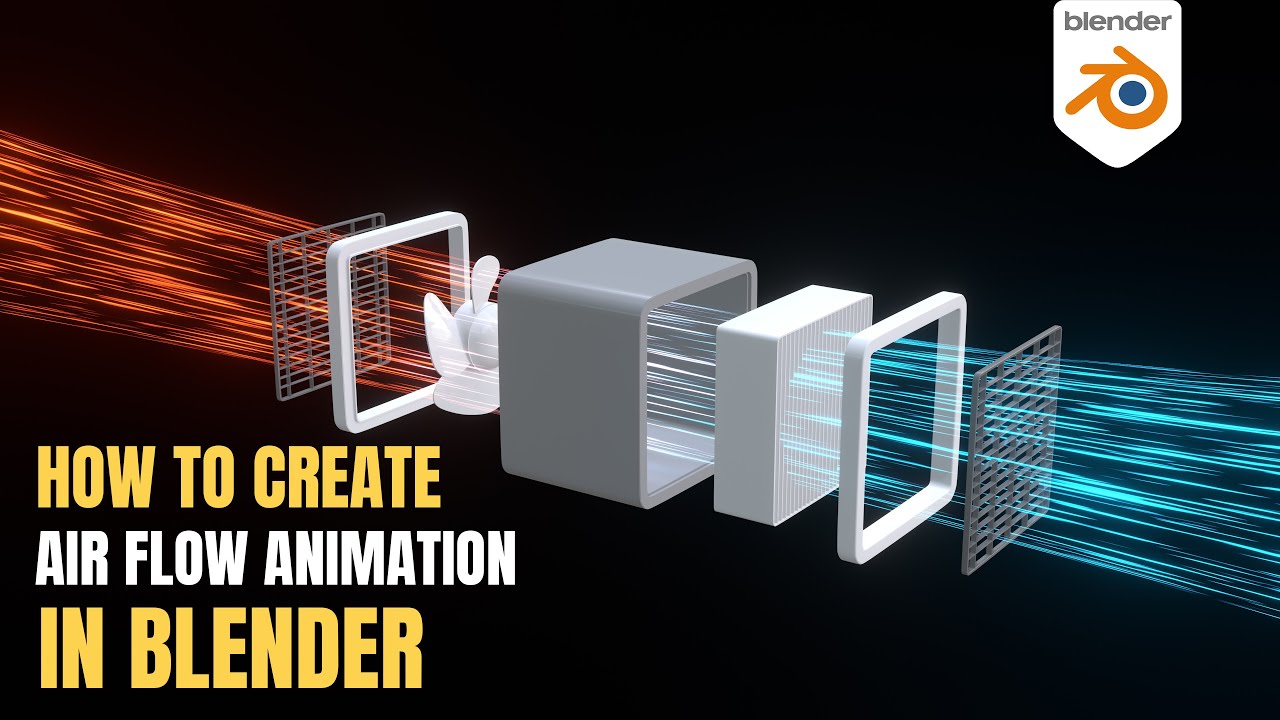
The most fundamental difference between a biological safety cabinet vs fume hood boils down to how each machine manages air. On the outside, they can look surprisingly similar, but their internal engineering is built for completely opposite goals. Getting these mechanics right isn't just a technical detail—it's the bedrock of your lab's safety.
A chemical fume hood is all about brute force ventilation. Its job is to protect you, the user, from breathing in harmful chemical vapors. It does this by pulling a huge volume of air from the lab room, dragging it across the work surface, and shoving it straight into an exhaust duct.
This powerful inward rush of air acts as a barrier, keeping hazardous fumes contained within the hood and away from your face. The contaminated air is then piped directly out of the building and released, where it gets diluted by the atmosphere. There's no fancy recirculation and usually no filtration; the simple goal is to get the bad stuff out of the room.
The Fume Hood's Simple Approach to Air Management
The engineering behind a ducted fume hood is beautifully straightforward. Its main safety benchmark is face velocity—the speed of the air being sucked into the front opening. If that velocity is high enough, chemical fumes are captured before they can escape.
This robust design makes it a non-negotiable piece of equipment in any lab handling volatile solvents, strong acids, or toxic powders. It's a workhorse for personnel protection against chemical threats, and the global fume hood market is expected to jump from USD 3.17 billion in 2024 to USD 4.5 billion by 2035. You can dig into more data on the fume hood market's expansion to see just how critical these units are.
But this simple, powerful airflow has one major blind spot. Because it pulls unfiltered room air directly over your work, it offers zero protection to your experiment. Any dust, microbes, or other airborne junk floating around the lab gets sucked right onto your samples. This makes fume hoods totally wrong for any work that needs a sterile environment.
The Intricate Airflow of a Biological Safety Cabinet
A Class II Biological Safety Cabinet, on the other hand, operates with surgical precision. It uses a complex, controlled ballet of HEPA-filtered air to provide three layers of protection at once: for you, your product, and the environment.
It all starts at the front grille, where room air is pulled in to create an air curtain. This invisible barrier is the first line of defense, preventing any contaminated aerosols generated inside from escaping. This incoming air immediately mixes with the air inside the work zone and gets pulled down through the grilles.
From there, the air is sent through internal ductwork to a HEPA filter, where the magic happens:
-
Recirculated Air: A large portion of this freshly cleaned air, typically 70% in a Class II, Type A2 cabinet, is pushed back down into the work area. This creates a sterile, vertical, laminar flow—an "air shower"—that constantly bathes your samples in clean air, protecting them from contamination.
-
Exhaust Air: The other 30% of the air is pushed through a second HEPA filter before being exhausted out of the cabinet. This ensures no hazardous biological particles are released back into the lab or the outside world.
Fume hoods dilute and remove, while BSCs filter and contain. This single distinction captures the core operational difference and dictates which applications are safe for each unit.
To get a clearer picture of these distinct operational goals, let's break down how their mechanics line up side-by-side.
Operational Mechanics Airflow and Containment
| Operational Aspect | Biological Safety Cabinet (Class II) | Chemical Fume Hood (Ducted) |
|---|---|---|
| Primary Goal | Protect personnel, product, and environment from biohazards. | Protect personnel from chemical fumes, vapors, and dust. |
| Air Intake | Room air enters through a front grille to create a protective air curtain. | Room air is drawn in through the entire front sash opening. |
| Internal Airflow | Complex, controlled pattern. Air is recirculated and exhausted. | Simple, one-way path. All air is exhausted directly. |
| Air Treatment | All recirculated and exhausted air passes through HEPA filters. | No filtration. Air is exhausted directly outside the building. |
| Product Protection | High. Work area is continuously bathed in HEPA-filtered, sterile air. | None. Unfiltered room air is pulled directly over the work surface. |
| Containment Method | Uses an air curtain, HEPA filtration, and controlled airflow to contain particulates. | Uses high face velocity to capture and remove chemical vapors via exhaust. |
| Exhaust | 30% of air is HEPA-filtered before being exhausted (can be ducted or recirculated to the room). | 100% of air is ducted outside the building without filtration. |
This table makes it obvious: these are two fundamentally different machines designed for entirely different hazards. One is a containment device for tiny particles, while the other is a ventilation device for gases and vapors.
Filtration Systems Are Not Interchangeable
One of the most dangerous mistakes in a lab is assuming a filter is just a filter. The systems in BSCs and ductless fume hoods are engineered for completely different targets. Mixing them up is a recipe for a serious safety incident.
HEPA (High-Efficiency Particulate Air) Filters:
These are the heart and soul of a BSC. HEPA filters are masters at capturing physical particulates, grabbing 99.97% of particles down to 0.3 microns. They are incredibly effective at trapping bacteria, viruses, and spores. However, they are useless against chemical gases and vapors, which will pass right through them as if they weren't even there.
Activated Carbon Filters:
These are what you'll find in ductless fume hoods, and they work by adsorption. The vast, porous surface area of the carbon traps chemical molecules. They work well for specific organic vapors or solvents but have a limited lifespan and do absolutely nothing to stop biological particulates. Using a ductless hood for infectious agents would be like trying to catch mist with a chain-link fence.
Navigating Regulatory and Certification Standards
Choosing between a biological safety cabinet and a fume hood isn't just about function; it's a serious commitment to strict regulatory and certification standards. This isn't optional paperwork. Compliance is a non-negotiable requirement that proves your equipment is performing exactly as designed and giving your team the protection they count on. Getting these standards right is fundamental to running a safe and reliable lab.
For any lab working with biological agents, the gold standard is NSF/ANSI 49. This is the definitive rulebook for the design, construction, and performance of biological safety cabinets, ensuring they provide the necessary protection for personnel, the product, and the environment.

This standard goes hand-in-hand with the Biosafety Levels (BSLs) set by the CDC, which classify containment needs for various biological agents. For example, if you're doing BSL-2 work with moderately risky agents like Staphylococcus aureus, you absolutely need a Class II BSC that is certified to NSF/ANSI 49.
Standards Governing Chemical Fume Hoods
Chemical fume hoods play by a different set of rules, focusing exclusively on their ability to contain and exhaust chemical vapors. There's no single, all-encompassing design standard like NSF 49. Instead, their performance is confirmed through specific testing protocols.
You'll primarily run into two major standards:
-
ASHRAE 110: This isn't a design standard but a method for performance testing. It uses tracer gas tests to measure how well a fume hood contains vapors under real-world conditions.
-
SEFA 1: Developed by the Scientific Equipment and Furniture Association, this standard gives you the best practices for laboratory fume hood design, installation, and performance.
These standards confirm that a fume hood is doing its job—protecting the user from inhaling dangerous chemicals by validating things like face velocity and airflow patterns. Unlike a BSC's triple-protection focus, a fume hood's compliance is squarely aimed at personnel safety from chemical exposure.
Certification: What to Expect
Buying the unit is just the first step. Both BSCs and fume hoods need regular certification to stay compliant and operate safely. This is a critical point of difference, as their maintenance and validation processes are completely different.
Certification is the process that proves your equipment isn't just present in the lab—it's actively protecting your team. Skipping this step invalidates the very purpose of having a safety cabinet or fume hood in the first place.
For a BSC, certification is an annual and highly detailed affair. A certified technician will come in and perform a series of tests, including:
-
HEPA Filter Integrity Test: This involves using an aerosol photometer to hunt for any leaks in the HEPA filters, guaranteeing 99.97% or greater particle capture efficiency.
-
Inflow and Downflow Velocity Tests: Here, they verify that the protective air curtain and sterile downflow are moving at the correct speeds for both containment and product protection.
-
Alarm and Interlock Checks: They'll make sure every safety alarm and interlock is fully functional.
A fume hood's certification, also typically done annually, is a bit more straightforward but just as crucial. The main test is measuring the face velocity—the speed at which air is pulled into the hood. This check ensures there's a steady inward airflow, usually between 80-120 feet per minute (FPM), to effectively capture and exhaust fumes.
Ultimately, mastering these standards is a core responsibility for any lab manager. It ensures the equipment you depend on delivers the protection it promises, safeguarding both your team and the integrity of your work.
Making the Right Choice with Practical Scenarios
Knowing the technical specs of a biological safety cabinet vs. a fume hood is one thing. Actually picking the right one for your specific lab work? That’s where safety really counts. Let's move from theory to the bench and walk through a few common procedures to see how the choice becomes obvious once you break down the hazards.
Think of these examples as a mental checklist you can run through for your own protocols. It’s all about matching the protection to the risk.

Scenario 1: Culturing Human Cells
Picture yourself in a BSL-2 lab, growing a human cell line for cancer research. You’re opening sterile flasks, pipetting media, and moving cells—all work that demands aseptic conditions. Your two big goals are keeping the culture pristine and protecting yourself from any potential biohazards.
-
Materials: Human cell line, sterile culture media, pipettes, and flasks.
-
Primary Risk: This is a two-way street. First, product contamination is a huge concern; a stray airborne fungus can ruin the whole experiment. Second, you have to worry about personnel exposure to aerosols from the human cell line, which you have to treat as a potential biohazard.
-
Required Protection: You need a sterile field to protect the cells and a barrier to protect yourself from the cells.
Recommendation: Class II Biological Safety Cabinet
A Class II BSC is the only way to go here. It’s built for this exact situation. The HEPA-filtered laminar downflow creates an ultra-clean work area, bathing your culture in sterile air. At the same time, the inflow air curtain at the front acts like a force field, sucking any aerosols you create into the filters before they can escape and expose you. Trying to do this in a fume hood would be a disaster—it would just pull dirty room air right over your sterile culture, guaranteeing contamination.
Scenario 2: Acid Digestion for Trace Metal Analysis
Now, let's switch gears to an environmental testing lab. Your task is to digest soil samples with concentrated nitric acid on a hot plate, prepping them for heavy metal analysis. The process kicks off some seriously corrosive and toxic chemical fumes.
-
Materials: Soil samples, concentrated nitric acid, and a hot plate.
-
Primary Risk: The danger here is all about personnel exposure. Inhaling those acid vapors can do real damage to your respiratory system. There are no biologicals involved, and the soil sample doesn't need to be kept sterile.
-
Required Protection: The single, critical goal is to keep the technician from breathing in hazardous chemical fumes.
Recommendation: Chemical Fume Hood
This is a textbook case for a chemical fume hood. Its powerful exhaust fan is designed specifically to pull heavy, nasty vapors away from your breathing zone and shoot them straight outside the building. Using a BSC for this would be a massive mistake. The HEPA filters won’t catch acid fumes, which would just damage the cabinet and get pumped right back into the lab.
The demand for both types of equipment is clear. The global market for laboratory hoods, which includes both BSCs and fume hoods, hit USD 2.6 billion in 2024. That growth shows just how seriously labs worldwide are taking safety. North America, in particular, makes up a 40.5% share of the biological safety cabinet market, reflecting the region's massive research infrastructure. For a deeper dive, you can check out more data on the laboratory hoods and enclosure market.
Scenario 3: Working with Volatile Chemicals and Biohazards
Finally, let's look at a tricky one that mixes hazards. Imagine a researcher using methanol—a volatile solvent—to pull a toxin out of a pathogenic bacterial culture. Here you have a BSL-2 agent right next to a flammable, toxic chemical.
-
Materials: Pathogenic bacterial culture (BSL-2) and methanol.
-
Primary Risk: You’re dealing with a double threat: personnel exposure to infectious aerosols from the bacteria and, at the same time, exposure to toxic chemical fumes from the methanol. On top of that, you still need to keep things sterile.
-
Required Protection: The gear has to protect the user from both biohazards and chemicals while also protecting the product.
Recommendation: Class II, Type B2 Biological Safety Cabinet
Your standard BSC won’t cut it; recirculating the air would just create a dangerous concentration of methanol vapors. A fume hood is out, too, since it offers zero protection from the bacteria. The right tool is a specialized Class II, Type B2 BSC. Often called a "total exhaust" cabinet, this unit HEPA filters all air and then vents 100% of it directly outside—just like a fume hood. It's the perfect hybrid solution for safely handling both biologicals and volatile chemicals, making it the clear winner in a complex biological safety cabinet vs fume hood decision.
Answering Your Top Lab Safety Questions
Even after you know the technical specs, real-world questions always pop up when you’re standing in the lab, about to start a new procedure. Sometimes the specific details of a protocol can make the choice between a biological safety cabinet and a fume hood feel a little murky. This section cuts through the confusion, tackling the most critical questions we hear from lab managers and researchers every day.
Can I Use a Fume Hood for Biological Work After Decontaminating It?
We get this question a lot, and it points to a dangerous misunderstanding. The answer is an emphatic no. A chemical fume hood can never, under any circumstances, substitute for a biological safety cabinet, no matter how well you clean it.
It all comes down to its core design. A fume hood is built to protect you by aggressively pulling contaminated air away from your face and shooting it outside. It has absolutely no HEPA filters designed to capture microscopic hazards like bacteria, viruses, or fungal spores. Any aerosols you generate would be sucked straight into the building's ductwork and released into the environment.
On top of that, the high-velocity, turbulent airflow inside a fume hood would destroy any attempt at sterile work. It’s made to pull things away, not to create a clean, predictable workspace. Using it for biologicals is a triple threat: it risks exposing personnel, releasing agents into the environment, and guaranteeing contamination of your samples.
What if My Work Involves Both Biohazards and Volatile Chemicals?
This is a classic problem in many labs, and it's a tricky one. You can't just pick a standard BSC or fume hood because neither is designed to handle both threats at once. The right answer really depends on the specific chemicals you're using.
Here's how we advise people to handle this scenario:
-
For trace amounts of non-volatile chemicals: If your protocol just involves tiny quantities of something mild, like a disinfectant, alongside a BSL-2 agent, a standard ducted Class II, Type A2 BSC can often work. The critical factor is that the chemical can't be volatile enough to become a hazard if a small amount gets recirculated.
-
For significant amounts of volatile or toxic chemicals: The moment you're working with volatile, flammable, or toxic chemicals in your biological process, you have to upgrade. The only safe option is a Class II, Type B2 biological safety cabinet. We often call this a "total exhaust" cabinet because it vents 100% of its HEPA-filtered air outside, behaving much like a fume hood. It gives you the sterile work zone of a BSC with the chemical vapor protection of a fume hood.
Never use a standard recirculating BSC (like a Type A2) for work with volatile chemicals. The chemical fumes can pass right through the HEPA filter and build up in the recirculated air. This creates a serious exposure risk for the operator and can even lead to a fire or explosion inside the cabinet.
Are Ductless Fume Hoods a Safe Alternative?
Ductless fume hoods, which use carbon filters to clean air before returning it to the lab, have a very specific and narrow purpose. They are not a catch-all replacement for a traditional ducted fume hood and are completely inappropriate for many common lab procedures.
Their safety is entirely dependent on the carbon filters doing their job perfectly. These filters work by adsorption and are only effective for a limited range of chemicals. They have a limited lifespan and require constant monitoring and replacement. If you're working with a mix of chemicals, unknown substances, or anything that carbon can't easily trap, a ductless hood becomes a serious liability. And for biological work? They are never an option.
What Are the Main Cost Differences Between a BSC and a Fume Hood?
Looking purely at the sticker price, a fume hood often seems like the cheaper choice. But that's not the whole story—not even close. When you look at the total cost of ownership, the picture gets a lot more complex.
A standard ducted fume hood is an energy hog. It's constantly pulling massive amounts of conditioned air—air your building just paid to heat or cool—and dumping it outside. This forces your HVAC system to work overtime, and those energy bills can easily surpass the initial cost of the unit over its lifetime.
On the other hand, a biological safety cabinet (especially a recirculating one) is much more energy-efficient because it reuses most of the air. But its upfront cost is higher, and you have to factor in mandatory annual certification and periodic HEPA filter replacements, which can run from hundreds to thousands of dollars. The most expensive unit is often the Class II, Type B2 BSC, since it combines the high purchase price and certification costs of a BSC with the heavy-duty HVAC demands of a ducted fume hood.